Why Last Mile Route Optimization Is the Key to Cutting 50% Delivery Costs in the U.S.

Introduction
The pressure is brutal. Consumers expect same-day shipping. Drivers are harder to retain. Fuel prices swing without warning. Meanwhile, logistics companies are expected to deliver faster, cheaper, and with near-perfect visibility. That’s the reality of modern U.S. logistics, where efficiency has become the Key to Cutting costs while maintaining service quality.
And here’s the uncomfortable truth most businesses eventually discover: the biggest leak in the supply chain is not warehousing. It’s not procurement. It’s the final stretch between the distribution center and the customer’s doorstep.
The last mile. That single phase now accounts for nearly 53% of total shipping costs in eCommerce logistics.
Half the budget. One operational layer.
That’s exactly why businesses investing in last mile route optimization are pulling ahead while others bleed cash through inefficient dispatching, idle miles, failed deliveries, and reactive planning.
At Mobility Infotech Logistics, we’ve seen this shift firsthand. Companies that once relied on spreadsheets and static routing are now using intelligent systems to slash delivery costs, improve driver productivity, and dramatically increase customer satisfaction. Some operations report cost reductions approaching 50% when optimization is paired with automation, dynamic dispatching, and real-time tracking.
That’s not hype. It’s logistics math.
The Last Mile Problem Nobody Can Ignore
Here’s the strange thing about delivery operations.
A truck can travel across multiple states efficiently. Freight moves smoothly through line-haul networks. Distribution centers are increasingly automated.
Then chaos starts.
Urban congestion. Missed customer calls. Poor stop sequencing. Drivers taking inefficient turns. Empty return trips. Delays caused by inaccurate ETAs. Manual dispatch decisions based on instinct instead of data.
Tiny inefficiencies compound fast.
McKinsey estimates that inefficient logistics handoffs and operational friction contribute to as much as $95 billion in annual losses across the U.S. logistics economy.
That number should make every fleet operator uncomfortable. Because most delivery businesses are still solving 2026 problems with 2016 processes.
What Is Last Mile Route Optimization?
At its core, last mile route optimization uses algorithms, GPS intelligence, AI, and live operational data to determine the fastest, most cost-effective delivery routes possible.
Simple definition. Massive impact.
Modern optimization systems analyze variables like:
- Traffic patterns
- Delivery windows
- Vehicle capacity
- Driver availability
- Road restrictions
- Fuel consumption
- Weather conditions
- Failed delivery probability
- Stop density
The software recalculates routes dynamically instead of relying on static planning done hours earlier.
That matters more than people think. Traffic changes every minute. Customers reschedule. Drivers encounter delays. Construction zones appear out of nowhere. A manually planned route becomes outdated almost immediately.
That’s where advanced delivery route optimization changes the game.
Not incrementally. Operationally.
Why U.S. Delivery Costs Are Rising So Fast
The U.S. logistics sector is facing a perfect storm.
ECommerce growth exploded customer expectations. Same-day delivery became normal. Rural delivery demand increased. Labor costs surged. Fuel volatility added pressure. Yet margins kept shrinking.
And customers? They got less patient. Research shows 84% of consumers will avoid buying again after a poor delivery experience.
- One failed delivery can destroy long-term customer value.
- Now layer that across thousands of deliveries per day.
That’s why companies can no longer treat routing as a back-office task. It has become a strategic profit lever. The companies winning right now are not necessarily the ones with the largest fleets.
They’re the ones making smarter routing decisions.
How Route Optimization Software Cuts Costs
This is where things get interesting.
Most businesses assume savings come mainly from shorter routes. That’s part of it, sure. But the real cost reduction comes from operational compounding.
One optimized route creates multiple downstream efficiencies simultaneously.
1. Fuel Consumption Drops Immediately
AI-powered routing systems can reduce fuel costs by 15% to 25% through shorter routes, lower idle time, and traffic-aware navigation.
That’s enormous when fuel is one of the largest variable delivery expenses.
UPS offers one of the strongest real-world examples. Its ORION optimization platform reportedly eliminated 100 million delivery miles annually, generating between $300 million and $400 million in savings.
Those numbers are difficult to ignore.
2. More Deliveries Per Driver
An optimized route means fewer wasted miles and tighter stop sequencing.
Drivers complete more deliveries without extending working hours.
That directly improves fleet productivity.
Instead of hiring more drivers to manage demand spikes, businesses can maximize existing fleet capacity. In today’s labor market, that advantage is massive.
3. Failed Deliveries Decline
Failed deliveries are expensive. Really expensive.
Industry estimates place failed delivery costs near $18 per incident on average.
Multiply that by hundreds or thousands of failed attempts every month and margins disappear quickly.
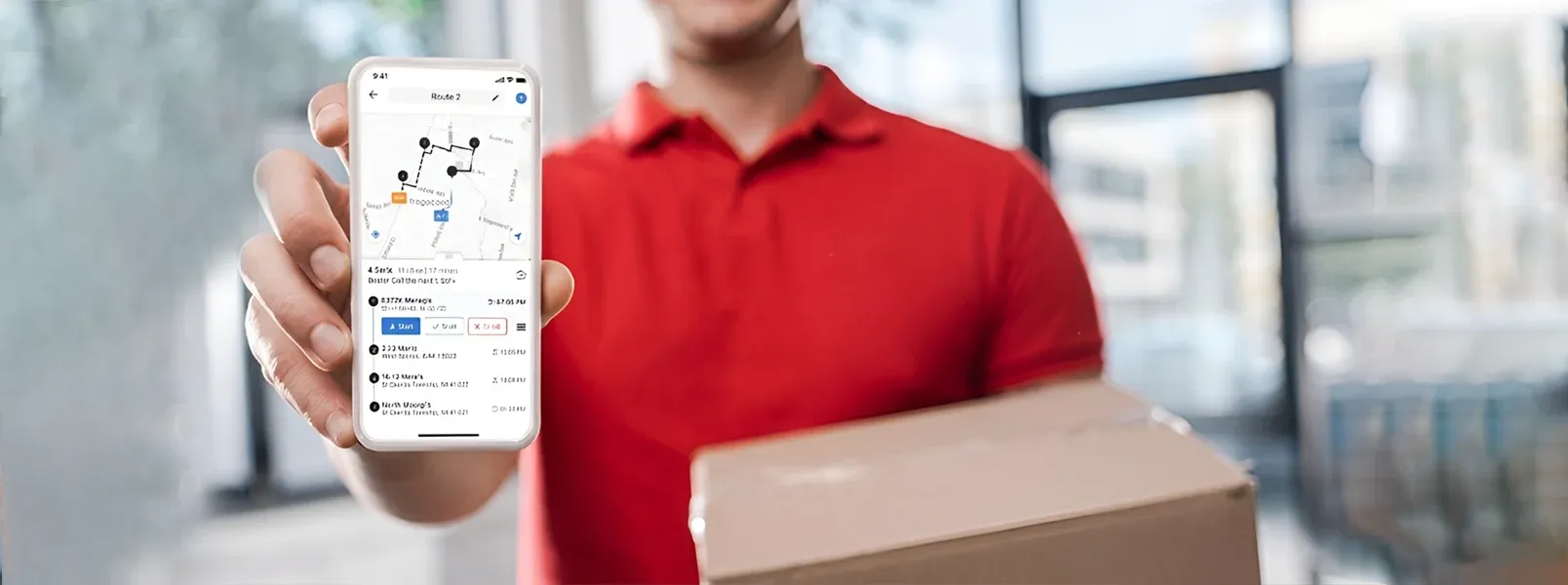
Modern route optimization software improves delivery accuracy through real-time ETAs, dynamic rerouting, customer notifications, and predictive scheduling.
Less confusion. Fewer missed deliveries. Lower operational waste.
4. Reduced Vehicle Wear and Maintenance
Fewer unnecessary miles mean reduced tire wear, lower engine strain, and less maintenance downtime.
That sounds minor until you operate a fleet at scale.
Over time, optimization extends vehicle lifespan and improves total asset utilization.
5. Better Customer Retention
Fast delivery matters.
Predictable delivery matters more.
Customers care less about speed than reliability. If you promise 4 PM and arrive at 4 PM, trust builds. If your ETA shifts three times, frustration starts immediately.
Smart routing systems improve delivery precision dramatically.
And precision creates repeat customers.
Why AI Is Reshaping Delivery Route Optimization
Static routing is dying.
AI-driven logistics platforms now process live traffic feeds, historical delivery behavior, driver performance metrics, and demand forecasting simultaneously.
The route adapts continuously.
That’s the future of delivery route optimization.
According to industry analysis, AI optimization systems are helping fleets reduce logistics emissions while improving operational efficiency through smarter dispatch planning and adaptive routing.
And honestly? This is only the beginning.
Machine learning models are becoming shockingly good at predicting delivery disruptions before they happen.
That changes everything.
The Hidden Cost of Manual Dispatching
A surprising number of delivery businesses still rely on manual dispatch planning.
Whiteboards. Phone calls. Spreadsheet-based routing.
It feels manageable on a small scale. Then the volume increases. Suddenly, dispatchers spend hours adjusting routes manually while drivers sit idle waiting for instructions.
Human planners simply cannot process hundreds of delivery variables in real time. Software can do it in seconds.
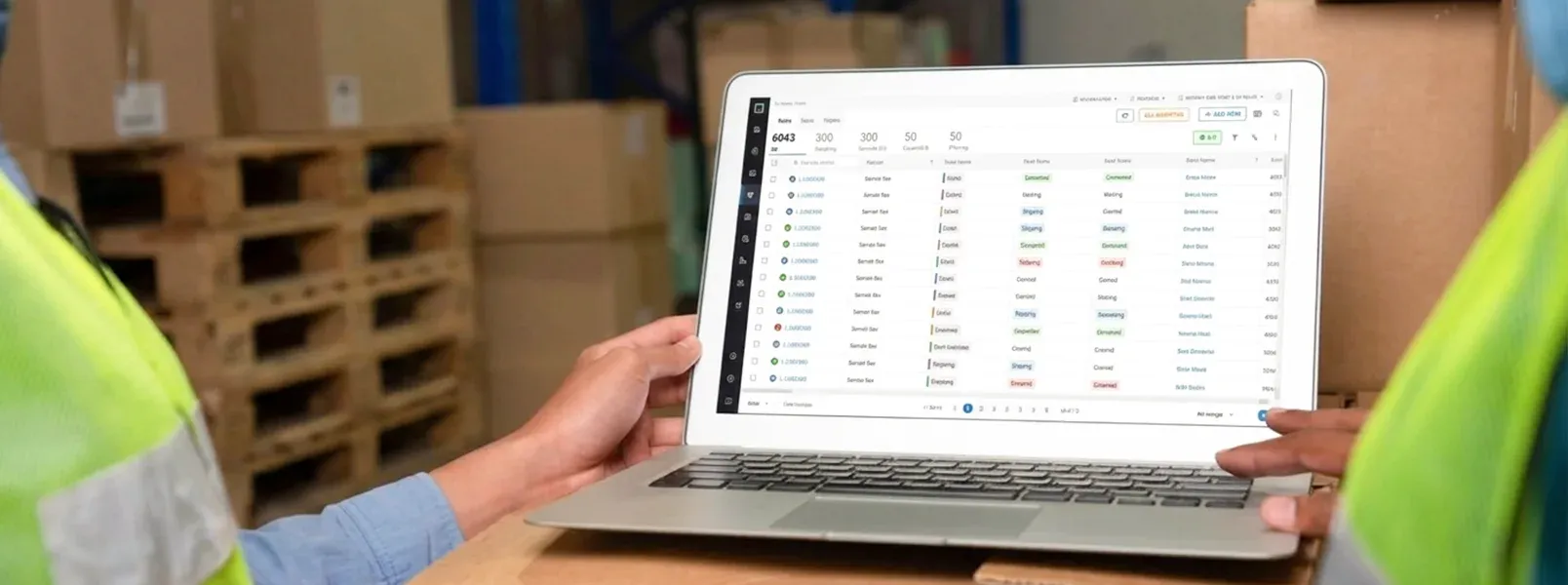
That’s why businesses transitioning from manual operations to intelligent route optimization software often experience immediate operational improvements.
Less chaos. Better utilization. Faster dispatching. And fewer headaches for everyone involved.
Why 50% Cost Reduction Is Actually Possible
Some people hear “50% delivery cost reduction” and immediately assume exaggeration.
- Fair reaction.
- But here’s the nuance.
- The savings rarely come from one change alone.
They come from layered optimization:
- Reduced fuel usage
- Higher delivery density
- Fewer failed attempts
- Better driver productivity
- Lower overtime costs
- Reduced idle time
- Improved fleet utilization
- Lower maintenance expenses
- Fewer customer support escalations
When all those improvements stack together, the cost structure changes dramatically.
Walmart, for example, reportedly reduced store-to-home delivery costs by around 20% through fulfillment and last-mile optimization improvements.
Now imagine combining routing intelligence with AI dispatching, predictive ETAs, driver tracking, automated customer communication, and operational analytics.
That’s where transformative savings emerge.
The Future Belongs to Intelligent Logistics
The logistics companies thriving over the next decade will not simply “deliver packages.” They’ll operate data-driven delivery ecosystems. Every mile tracked. Every route optimized. Every delivery analyzed for efficiency gains. That shift is already happening.
Businesses still relying on static planning models will continue absorbing unnecessary operational costs while competitors become leaner, faster, and more scalable.
At Mobility Infotech Logistics, we believe intelligent routing is no longer optional. It’s foundational. Because in modern logistics, speed alone isn’t enough.
- Efficiency wins.
- Predictability wins.
- Optimization wins.
And the companies embracing advanced last mile route optimization today are positioning themselves to dominate tomorrow’s delivery economy.
Get in touch with our battle-tested sustainability, technology, and TMS specialists to explore tailored green logistics solutions.

You might also like
 Written by Jane Austen
 Written by Michael S.
 Written by David Williams