
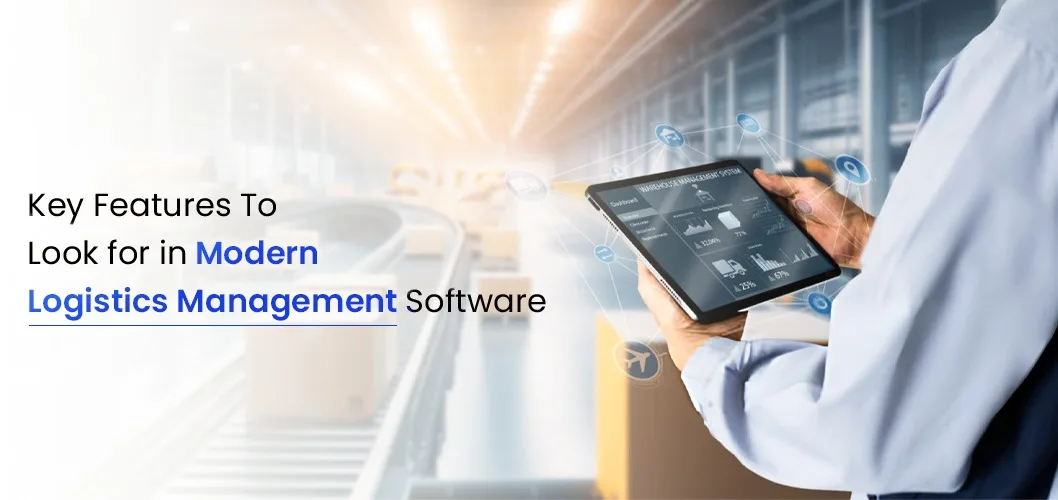
Key Features to Look for in Modern Logistics Management Software

Introduction
Logistics today moves fast. Orders shift every minute. Customers want updates without asking. Businesses want control without slowing down the work. In this kind of world, the right logistics management software becomes the backbone and guide for smooth movement.
When you visit Mobility Infotech Logistics, you can tell they understand the pulse of the industry. Their focus is simple. Give companies the tools to plan better, move faster, and see every part of the journey with clarity. That is what good transport logistics solutions should do today.
But with so many systems in the market, how do you know what to choose? The best logistics management software is one that takes away confusion and gives you peace of mind. Here is a clear look at the features that truly matter and why they make a real difference in day-to-day work.
Clear and Live Tracking
The first thing most teams need is visibility. Everyone wants to know where the truck is or how far a delivery has reached. A modern logistics system should give live updates that are easy to read. No hunting through screens and no waiting for calls. Just simple, real-time tracking that shows movement from pick up till the final doorstep.
This helps the company. It also helps the customer. When both sides know the status, calls go down and trust goes up.
Better Routes and Smart Planning
Fuel costs are rising. Delays eat into profit. So the routes you choose matter more than many people think. Good logistics management software plans routes in a way that cuts travel time and saves cost.
The system should be smart enough to adjust the plan when needed. If a road is blocked or a delivery slot changes, the software should help reroute quickly. When routing is clean, the whole chain becomes faster and more predictable.
Smooth Handling of All Stages of Transport
Logistics is rarely one straight line. There is first mile, mid mile, and last mile. Sometimes there are handovers between hubs. Sometimes there are different travel modes like road, rail, or air.
The best logistics systems do not treat these parts separately. They join everything together so the entire flow is easy to track. Businesses get one place to control pick-ups, transfers, and final drops. When everything sits under one roof, planning becomes far easier.
Easy Work With Carriers and Transporters
Many companies work with more than one transporter. This can get confusing fast when paperwork, invoices, and trip details pile up. A strong logistics system takes this load off the team.
It should allow quick onboarding, simple contract management, and clean digital invoicing. Trips should be assigned without long calls. Bills should be clear and accurate. A system that handles this well saves both time and money.
Links With Warehouses and Stock Systems
For businesses that carry products, warehousing ties directly into transport. Stock moves in and out all day. Orders need to match with the right shipments. If the logistics software connects with warehouse and inventory systems, everything stays in sync.
This reduces loading mistakes. It helps keep stock levels accurate. It also ensures that outbound work matches real demand, not guesswork.
Data That Actually Helps You Improve
Every trip has a story. Some run smoothly. Some get stuck. Some cost more than planned. A good logistics management software should turn these stories into numbers that make sense.
Simple dashboards. Clean reports. Not heavy jargon. Not complex charts. Just clear insights that help the team understand what is working and what needs fixing. Over time, these insights help cut costs and improve delivery performance.
Ability To Grow With You
Your logistics may be small today and bigger next year. Or you may operate in one city today and several regions later. A strong system should grow with you. It should handle more users, more orders, more trucks, and more routes without slowing down.
A rigid system will block your progress. A flexible one supports it. This is one of the quiet but important signs of the best logistics management software.
Strong Last Mile Tools
Last mile delivery shapes customer experience more than anything else. When the delivery partner reaches the doorstep on time, with clear instructions and proof of delivery, customers remember it.
Your software should help with driver tracking, simple delivery confirmation, and easy customer notifications. It should make the final stretch of delivery smooth for both sides.
Simple to Use and Easy to Set Up
The most powerful systems are often the simplest to use. A modern logistics platform should not feel heavy or confusing. Your team should be able to adopt it quickly.
Clear menus. Clean layouts. Straightforward steps. That is what makes a system useful on a daily basis.
Mobility Infotech Logistics focuses on this idea. They build tools that do not get in the way. They help people do their job better without adding stress or clutter.
Get in touch with our battle-tested sustainability, technology, and TMS specialists to explore tailored green logistics solutions.

You might also like
 Written by Jane Austen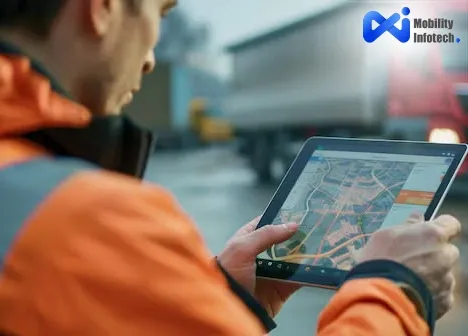
 Written by Michael S.
 Written by David Williams