
Building a Scalable Last-Mile Delivery Infrastructure Using Smart Routing Technology

Introduction
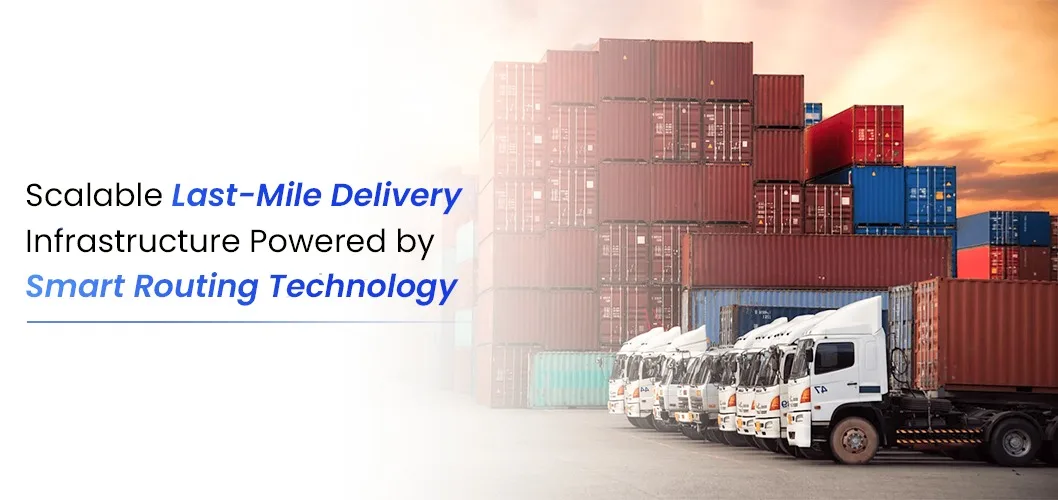
Building a high-speed last-mile delivery Infrastructure system is no longer a choice for American businesses. In 2026, it is the only way to stay in the game. As online shopping continues to grow, the final leg of the journey has become the most important part of the supply chain.
Recent data shows that the last-mile delivery market in the USA is set to reach nearly $200 billion by the end of 2026, growing at a steady rate of 8.4% each year (Research and Markets, 2026). For B2B leaders, this means you need a system that can handle more orders without making your costs go up.
At Mobility Infotech Logistics, we believe that smart last mile tracking software is the key to this growth. We help you move goods faster and cheaper while keeping your customers happy.
The True Cost of the Final Mile
In the world of logistics, the last mile is famous for being the most expensive. In fact, experts find that about 53% of all shipping costs happen in this final step (Technavio, 2026).
Why is it so pricey?
- Urban Traffic: Delivery vans get stuck in city gridlock, wasting fuel and time.
- Failed Stops: If a customer is not home, the driver has to come back later. This doubles the cost of that one package.
- Manual Planning: Trying to plan routes by hand is slow and leads to many mistakes.
To fix these issues, you need a digital backbone. This is where modern software comes in to save the day.
Three Pillars of a Scalable Delivery System
To build a system that can grow from ten deliveries to ten thousand, you need three main tools. Each one plays a special part in making your business run like a well-oiled machine.
1. Real-Time Clarity with Last Mile Tracking Software
You cannot fix a problem if you do not know it is happening. Last mile tracking software gives you a live look at your entire fleet.
In 2026, customers do not just want their packages; they want to see them moving. Studies show that 30% of US shoppers now expect same-day delivery as a standard service (Technavio).
When you use tracking tools, you give your customers a live map. This builds deep trust. It also cuts down on "Where is my order?" phone calls by as much as 70%. Your office stays quiet, and your customers stay happy.
2. The Brain of the Operation: Last Mile Logistics Software
If tracking is the eyes of your business, then last mile logistics software is the brain. It handles the hard math that humans find difficult.
This software looks at every package in your warehouse and every truck in your lot. It then decides which truck should take which package to save the most time.
By using AI to plan these moves, businesses can see a 25% saving on fuel costs (WEZOM, 2026). It also helps you group orders that are close together, so your drivers do not have to drive across town and back.
3. Helping the Driver with Last Mile Delivery Software
The person behind the wheel has the hardest job. Last mile delivery software makes their day much easier. It lives on a smartphone and acts as a digital assistant.
It provides:
- Live Route Updates: If a road is closed, the app finds a new way instantly.
- Digital Proof: Drivers can take a photo or scan a code to prove the delivery was made.
- Easy Chat: Drivers can talk to the office or the customer without using a separate app.
When your drivers have the right tools, they feel less stressed and can finish their work faster. This means they can make more stops in a single shift, which makes your business more profitable.
Why Smart Routing is the Future
Smart routing is more than just a map. It is a system that learns. In 2026, we call this "predictive logistics."
The software looks at years of data to guess where traffic will be heavy or which customers are usually home at 2:00 PM. By using these guesses, it can cut total travel distance by 15% to 25% (Pidge, 2026).
For a B2B company, this is a game-changer. It means you can promise your clients exact delivery times and actually meet them 98% of the time.
Better for the Planet, Better for Your Wallet
Sustainability is a big deal in 2026. Many US cities are starting to favor "green" delivery methods. Using smart routing helps you stay ahead of these rules.
When your trucks drive fewer miles, they burn less fuel. This lowers your carbon footprint and saves you a lot of money at the gas pump. It is a rare "win-win" where being good for the earth is also very good for your bank account.
Choosing the Right Partner
At Mobility Infotech Logistics, we don't believe in "one size fits all." We know that a flower shop needs different tools than a heavy equipment parts dealer.
Our platform is built to be simple. We focus on making the software fast, reliable, and easy to scale as your business grows.
Whether you have two vans or two hundred, our technology is designed to help you lead the market.
The Road Ahead for Your Logistics
Building a scalable last-mile setup is about turning a major expense into a clear win. In 2026, using last mile tracking software is the only way to stay fast and stay profitable. By cutting out wasted miles and giving your customers live data, you build a brand they can trust.
The USA delivery market is moving fast. Companies that stick to old paper maps will fall behind. Those who use last-mile logistics software will grow without adding more stress or office staff.
At Mobility Infotech Logistics, we make this shift easy. With the right last mile delivery software in your drivers' hands, you can stop worrying about delays and start focusing on your next big move.
- content
- Introduction
- Three Pillars of a Scalable Delivery Sys...
- Why Smart Routing is the Future
- Better for the Planet, Better for Your W...
- The Road Ahead for Your Logistics
Get in touch with our battle-tested sustainability, technology, and TMS specialists to explore tailored green logistics solutions.

You might also like
 Written by Jane Austen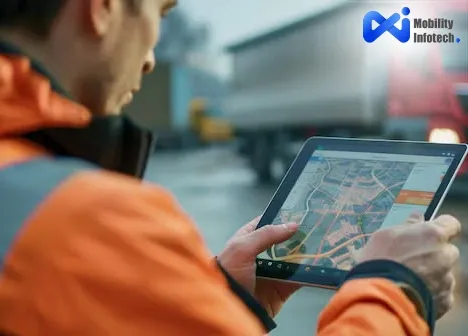
 Written by Michael S.
 Written by David Williams