Real-Time Delivery Tracking Software as a Business-Critical Tool in Competitive Markets

Introduction
In the fast-paced world of American business, waiting is no longer an option. Words: Business-Critical Tool in Competitive Markets. Whether it is a small package or a large freight load, people want to know exactly where their items are at every second. This shift in how we shop and ship has turned real-time tracking from a "nice-to-have" feature into a core part of staying in business. For companies like Mobility Infotech Logistics, using high-tech tools is the only way to keep up with giant competitors and rising costs.
Why Real-Time Tracking Is the New Gold Standard
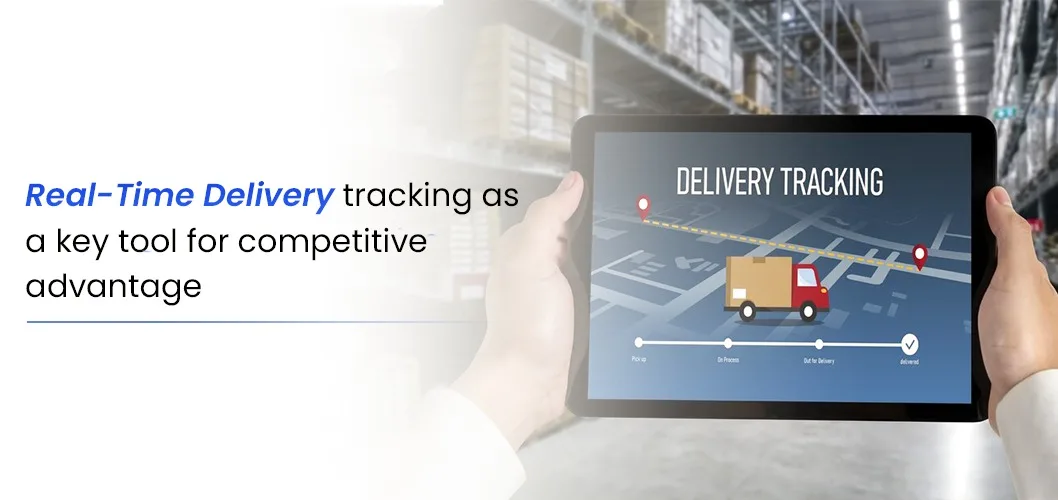
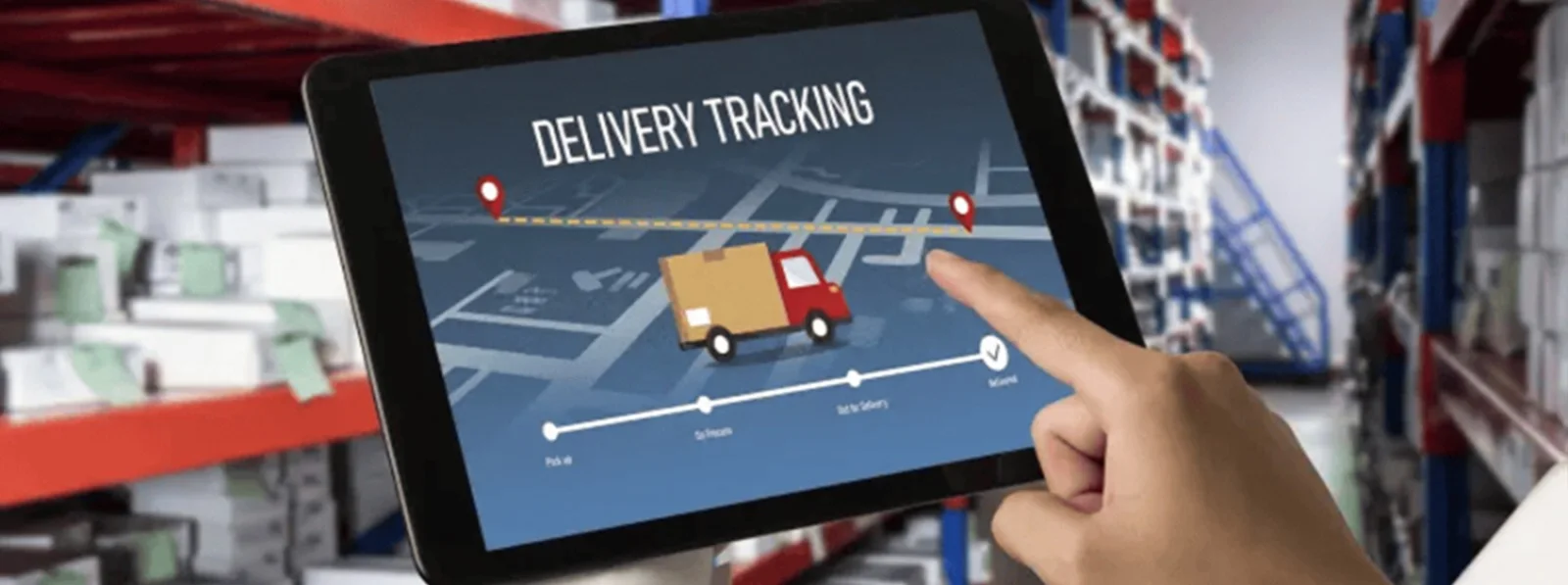
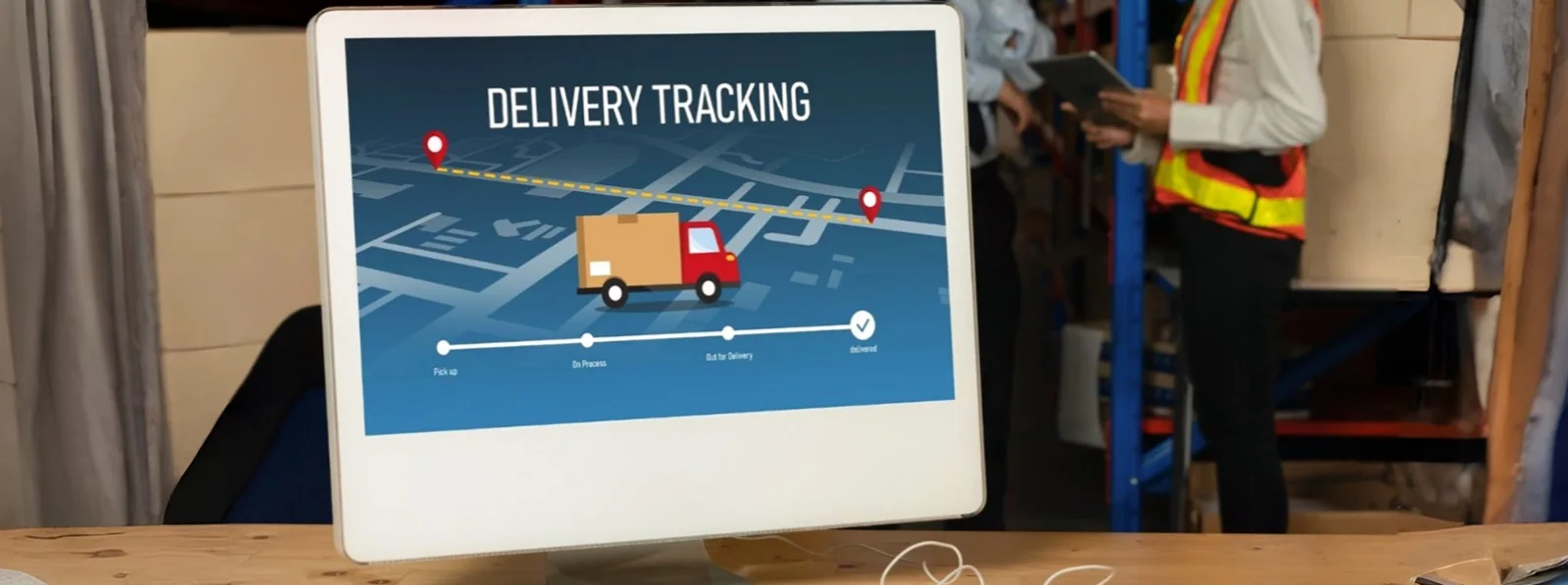
Think back ten years. You would get a tracking number, and it might update once a day. Today, if a customer cannot see a little truck moving on a map, they get worried. This is not just about being fancy; it is about trust. Real-time tracking gives a clear window into the supply chain. It tells the office and the customer the "what, where, and when" of every single delivery.
According to data from the Bureau of Transportation Statistics, the value of goods moved in the U.S. continues to grow, with the U.S. transportation and logistics market projected to reach over $356 billion by 2029. In such a crowded market, being able to see a delay before it happens is a huge win. If a driver hits a traffic jam in Atlanta or a snowstorm in Chicago, a manager can see it live and tell the customer right away. This honesty builds a bond that keeps customers coming back.
The Power of Route Optimization Software
If tracking is the "eye" of the business, then route optimization software is the "brain." It does more than just give directions. It looks at thousands of paths, traffic patterns, and weather reports to find the best way forward.
For a long time, planners sat with paper maps or simple GPS tools. Now, route optimization software uses smart math to save time. It helps a business do more with less. Instead of having ten trucks on the road, a smart system might show that eight trucks can do the same work if they take better paths. This saves on gas, wear and tear on the trucks, and most importantly, driver stress.
Cutting Costs Where It Hurts
Fuel is one of the biggest bills for any logistics firm. Data from the American Trucking Associations shows that commercial trucks paid over $30 billion in federal and state fuel taxes recently. By using logistics route optimization, fleets can cut their miles significantly. This is not just good for the wallet; it is better for the planet too.
Making Complex Deliveries Easy with Multi-Stop Route Optimization
Most delivery drivers do not just go from Point A to Point B. They have twenty, thirty, or fifty stops in a single day. This is where multi-stop route optimization becomes a life-saver. Trying to plan fifty stops by hand is like trying to solve a giant puzzle while the pieces are moving.
Multi-stop route optimization takes the guesswork out of the day. It puts the stops in the best order so the driver is not driving in circles. It also thinks about:
- Time Windows: Some customers only want their items between 9 AM and 11 AM.
- Vehicle Size: Ensuring a big truck does not get sent down a tiny residential street.
- Driver Breaks: Keeping the team happy and safe by building in rest time.
When a driver has a clear, smart plan, they are more productive. Recent studies show that AI-powered systems can cut delivery errors by up to 32%. This leads to what every boss wants: a smooth operation that runs like a clock.
Staying Ahead in a Tough Market
The U.S. market is more competitive than ever. With e-commerce giants setting the bar high, even small and medium businesses must act like tech companies. Logistics is no longer just about moving boxes; it is about moving data.
The global market for these tools is booming. Reports from Fortune Business Insights suggest the logistics software market will grow to over $17.47 billion in 2026. Companies that do not jump on this trend risk being left behind. Why? Because the "old way" is too slow and too expensive.
Better Data, Better Decisions
When you use real-time tools, you get a mountain of good data. You can see which drivers are the fastest, which routes are always blocked by traffic, and which customers have the most delivery issues. This lets a business fix problems before they turn into losses. Mobility Infotech Logistics uses this data to help partners grow. By knowing the facts, you can stop guessing and start winning.
The Human Side of High-Tech Tools
We often talk about the machines and the math, but let’s talk about the people.
- For the Driver: A smart route means less time fighting traffic and more time doing the job. It makes their day predictable.
- For the Customer: It removes the "where is my stuff?" anxiety. A live link is worth a dozen phone calls.
- For the Owner: It brings peace of mind. Knowing that your assets are safe and your customers are happy is the ultimate goal.
Looking Forward: Logistics in 2026 and Beyond
As we move further into 2026, we see even more cool tech joining the mix. AI is now predicting traffic before it happens. Mobility Infotech logistics helps electric trucks find the best places to charge while they are on their routes and select the best route for their delivery. The goal is always the same: make the delivery faster, cheaper, and more reliable.
For any business in the USA looking to lead, the message is clear. You cannot win a modern race with old shoes. Investing in route optimization software and real-time tracking is the smartest move you can make this year. It turns a chaotic delivery day into a streamlined success story.
Get in touch with our battle-tested sustainability, technology, and TMS specialists to explore tailored green logistics solutions.

You might also like
 Written by Jane Austen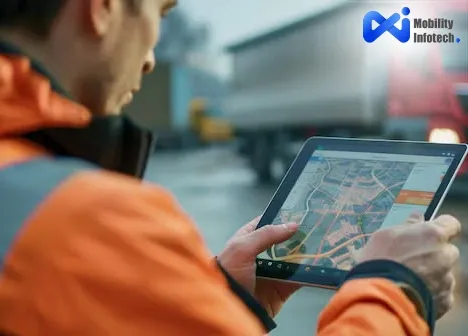
 Written by Michael S.
 Written by David Williams