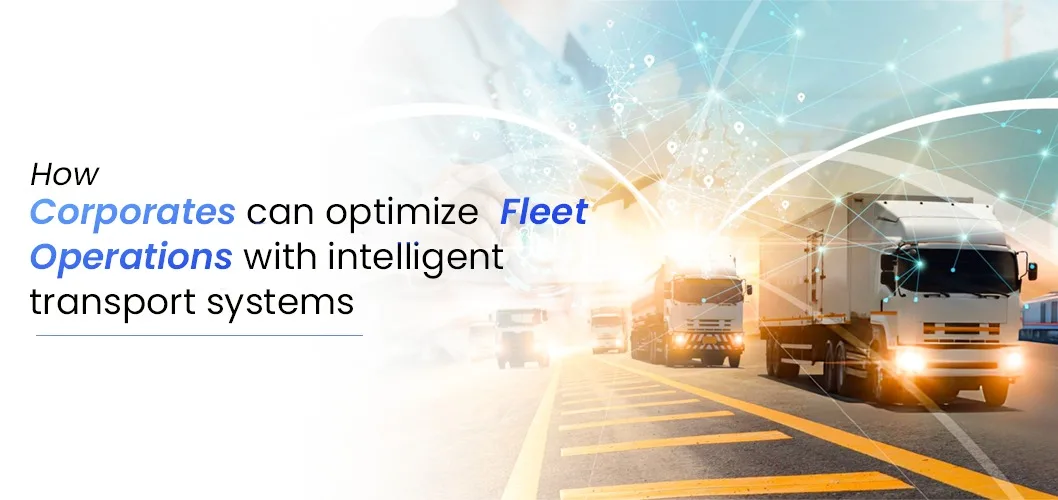
How Corporations Can Optimize Fleet Operations with Intelligent Transport Systems

Introduction
The open road is the lifeblood of American Corporations. Every day, countless trucks, vans, and cars cross the United States. They carry the goods that keep our economy moving. From bustling coastal ports to warehouses in the Midwest, the pressure is on. Customers want their orders fast. Businesses need to keep costs down. It is a tough balancing act.
Running a corporate fleet today is harder than ever. The roads are busier. Fuel prices jump up and down without warning. Drivers are hard to find and keep. If your company relies on moving things from point A to point B, you know these headaches well. You cannot solve today’s problems with yesterday’s paper maps and phone calls.
This is where transportation software companies steps in to help. It is time to upgrade the way your fleet thinks.
The New Brain of Your Operation
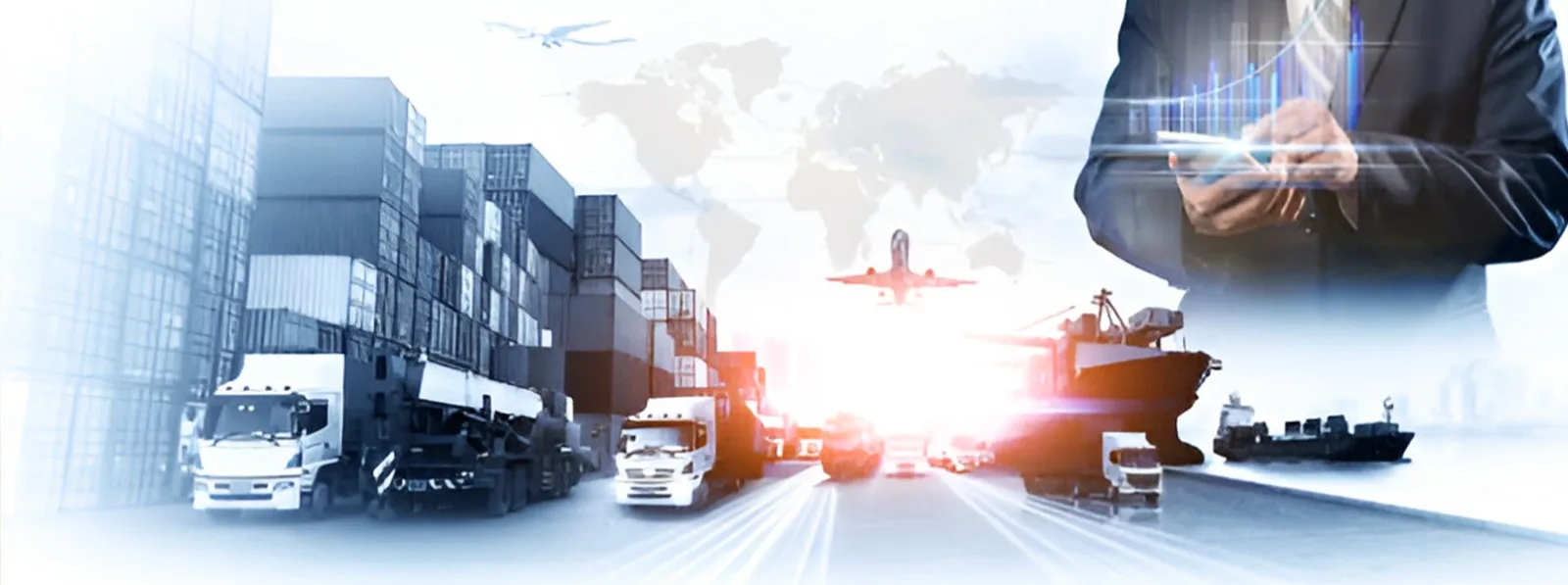
Many people hear "Intelligent Transport Systems" and think it sounds complicated. It is actually quite simple. Think of it as giving your fleet a central brain. It connects your vehicles, your drivers, and the roads they drive on into one smart network.
In the past, a fleet manager might have known where a truck was hours ago. Today, smart systems use GPS, sensors on the truck, and live data from the internet. This lets you see what is happening right now. You can see where every vehicle is. You know how fast they are going. You even know if the engine needs a check-up soon.
For a business moving goods across the USA, this changes everything. It turns guesswork into real knowledge.
Battling the Chaos of the Road
Let us look at the real challenges American fleets face. A truck leaves a depot in New Jersey heading for Chicago. It seems like a straight shot on the interstate. But then, reality hits.
There is unexpected construction on I-80 that adds two hours to the trip. A sudden winter storm in Ohio slows traffic to a crawl. A driver runs low on hours and has to find a safe place to park for the night.
Without smart help, the fleet manager back at the office has no idea this is happening until it is too late. The customer in Chicago is waiting. The fuel bill is going up as the truck sits idling in traffic.
This chaos costs money. It hurts your reputation. It makes the job harder for your drivers. Intelligent Transport Systems are designed to fight this chaos. They bring order to the unpredictable nature of the road.
Smarter Paths with Better Software
The first major win with intelligent systems is better routing. Old-school routing meant planning a path at the start of the day and hoping for the best.
Modern fleet management and routing software does not just plan; it reacts. It constantly looks at road conditions ahead. If there is an accident five miles ahead, the software knows it instantly. It calculates a new route around the trouble before your driver even sees brake lights.
This is crucial for long-haul trips across states. Avoiding one major traffic jam on an interstate can save immense amounts of time. It also saves fuel. When a heavy truck has to stop and start in traffic, it burns a lot of diesel. Keeping that truck moving at a steady speed on an open road is much better for your budget.
Companies that use these smart tools see a real difference. They notice their vehicles spend less time sitting still and more time moving towards the destination.
Winning the Final Step
The hardest part of any delivery is often the very end. We call this the "last mile." A truck might cross five states perfectly, but the final five miles in a dense city can ruin the schedule.
Imagine a delivery van trying to drop off packages in downtown Seattle or navigate tight residential streets in Boston. Parking is scarce. Traffic is stop-and-go. Finding the right door can be confusing.
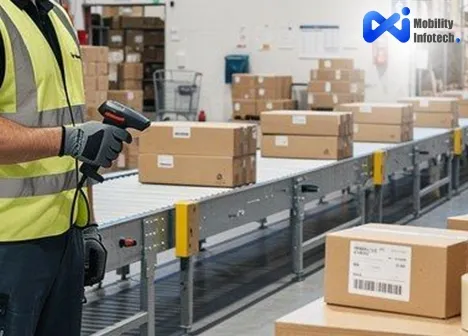
This is where the best last mile delivery software becomes essential. It gives drivers super-detailed local maps. It helps them find the best spot to park to avoid tickets. It ensures they have the exact details needed to make a smooth drop-off.
For the customer waiting at home or at their office, this is what matters most. They want to know exactly when their item will arrive. Smart software allows you to give them accurate arrival times. When you master the last mile, you win customer loyalty.
Keeping Drivers Safe and Trucks Running
Intelligent systems are not just about maps. They are also about safety and health.
A smart truck can talk to you. Sensors under the hood can tell you if a part is about to fail. This means you can fix it in your own shop before it breaks down on the side of a highway in the middle of nowhere. This preventive care keeps your trucks on the road longer.
These systems also help drivers. They can alert a driver if they are braking too hard or drifting out of their lane. This is not about spying; it is about acting as a co-pilot that never gets tired. It helps professional drivers stay safe on long, demanding routes.
Choosing the Right Tech Partner
Moving to an intelligent system is a big step. There are many transportation software companies out there trying to sell you their tools. It can be overwhelming to pick the right one.
You need a partner that understands logistics, not just code. You need someone who knows the difference between hauling cold food and hauling heavy machinery. You want a system that is easy for your team to learn and use every day.
Mobility Infotech Logistics understands these real-world needs. We focus on building systems that solve actual problems for American businesses. We know that technology should make your life easier, not more complicated.
The future of fleet operations is smart, connected, and fast. By adopting Intelligent Transport Systems, your corporate fleet can stop fighting road chaos and start mastering it.
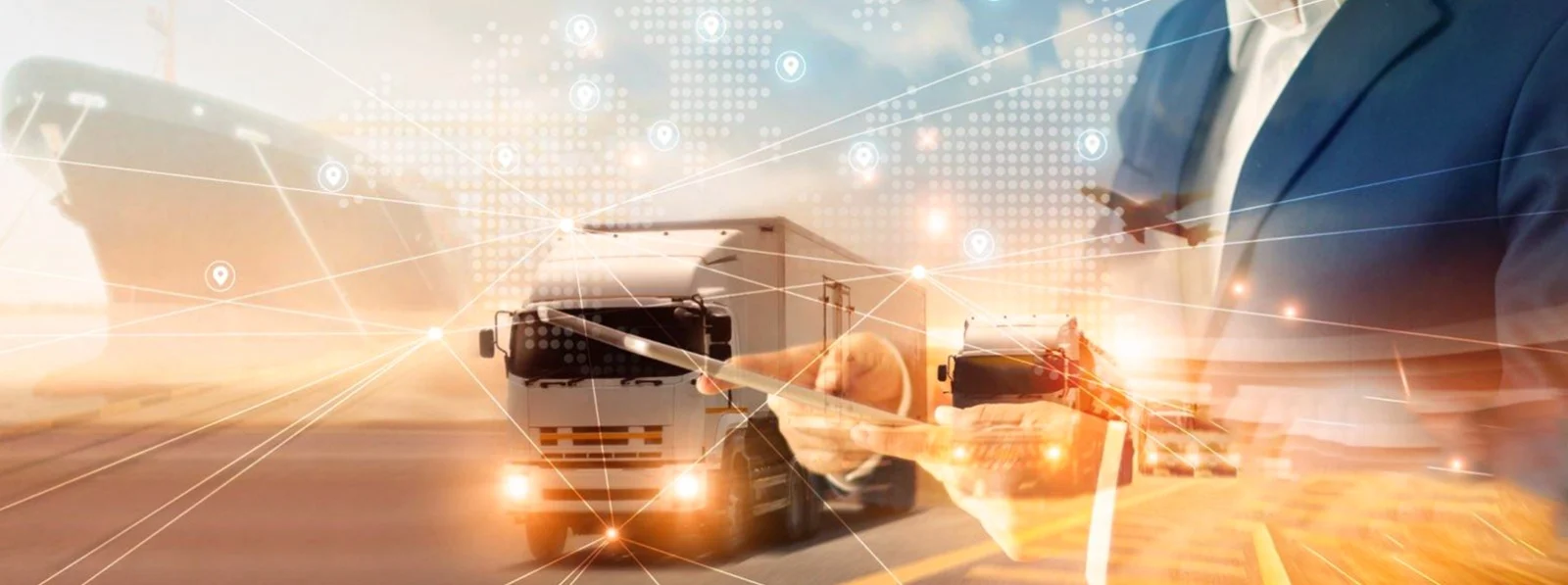
Get in touch with our battle-tested sustainability, technology, and TMS specialists to explore tailored green logistics solutions.

You might also like
 Written by Jane Austen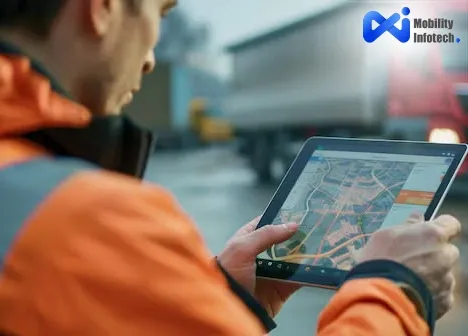
 Written by Michael S.
 Written by David Williams