
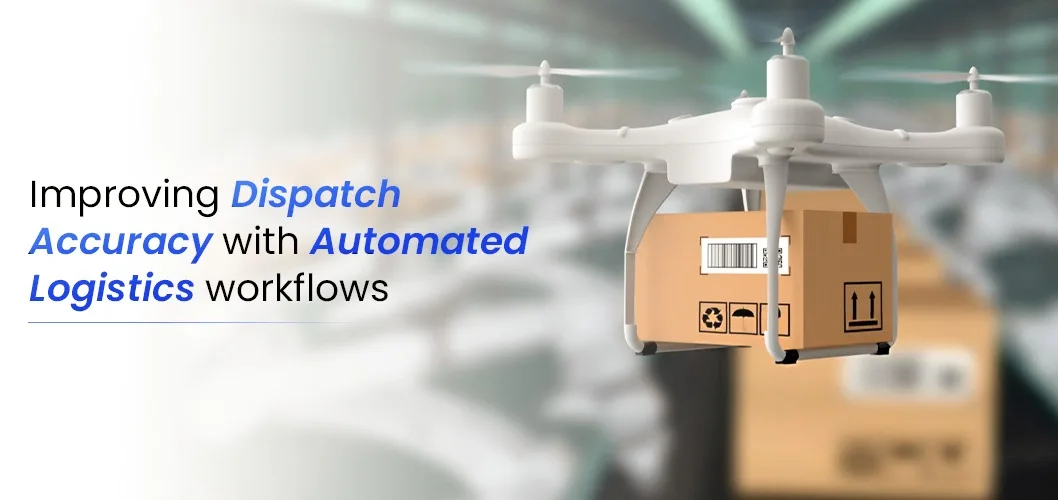
Improving Dispatch Accuracy with Automated Logistics Workflows

Introduction
Imagine a busy morning at a trucking company hub somewhere in the middle of the USA. The coffee pot is empty. The phones are ringing constantly. A dispatcher sits behind a desk covered in paper maps, sticky notes, and spreadsheets. They are trying to match twenty new orders with five available drivers.
It sounds like a normal day. But this old way of working is full of hidden cracks.
Why Manual Dispatch Fails in the Modern World
A tired dispatcher might misread a zip code by one digit. That single wrong digit can send a driver two towns over in the wrong direction. Or perhaps they assign a heavy load to a truck that cannot handle the weight legally. Maybe they missed an email from a customer changing a delivery window.
These are not malicious mistakes. They are human errors. They happen when people are rushed and tired. But in the logistics world, these small errors have giant costs. They mean wasted fuel. They mean drivers sitting in traffic when they should be moving. Most importantly, they mean angry customers who did not get their goods on time.
This is where Logistics automation software technology steps in to help. We are moving away from sticky notes and moving toward smart, automated workflows.
The Problem with Relying on Memory
Let’s look closer at why manual dispatch fails today. It relies too much on one person’s memory.
A good dispatcher knows their drivers. They know that Dave hates driving into downtown Chicago during rush hour, or that Sarah needs to be back by 5 PM on Tuesdays. This tribal knowledge is valuable. But what happens when that dispatcher goes on vacation? Or what happens when the company grows from ten trucks to fifty?
A human brain cannot track fifty moving trucks, current traffic patterns, weather conditions, and hundreds of delivery windows all at once. When a human tries to do this, things slip through the cracks. They pick routes based on Habit, not current reality. They might send a driver down a highway that is currently a parking lot because of an accident that happened ten minutes ago.
Manual processes are slow. It takes time to call three different drivers to see who is empty. By the time you find the right driver, another urgent order might have come in. It is a constant game of catch-up.
Enter the Digital Helper
Automated logistics workflows change this game entirely.
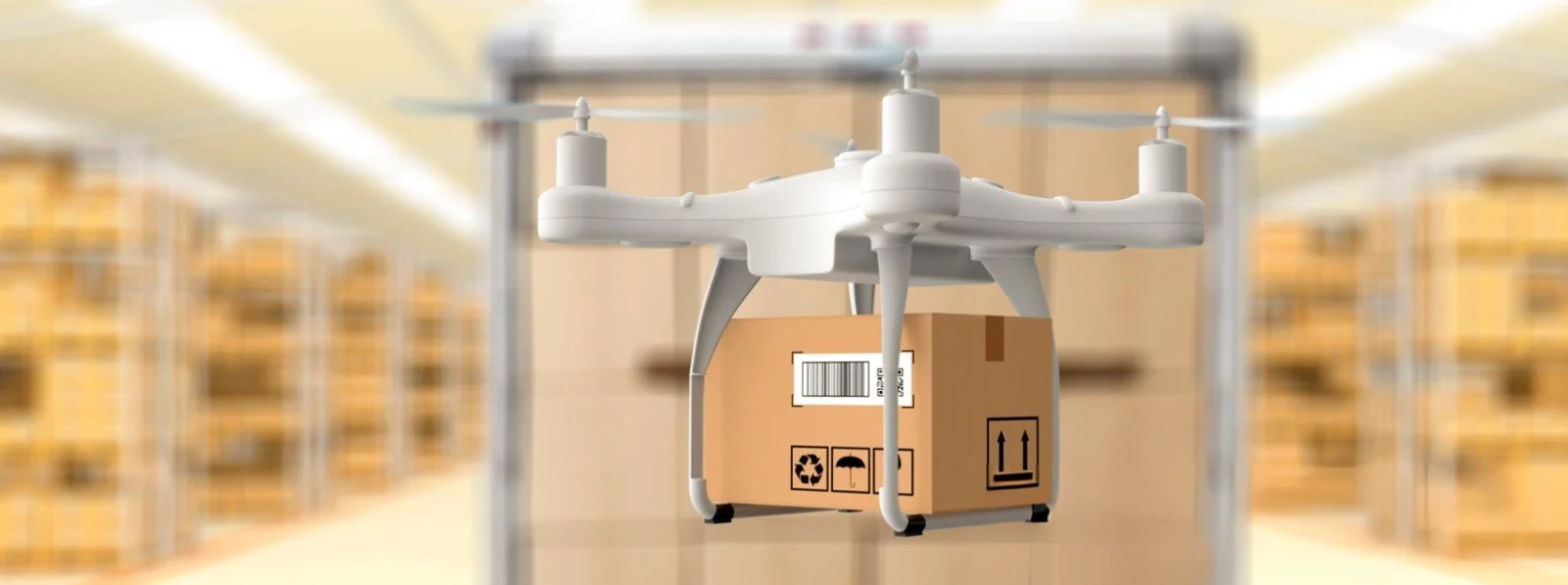
Think of automation not as a robot taking a job, but as a super-powered assistant. This assistant never sleeps and can read thousands of data points in a second.
This is the core purpose of logistics automation software. It takes the repetitive, complex tasks away from the human dispatcher.
When a new order arrives, the software instantly scans the entire fleet. It knows the exact GPS location of every truck right now. It knows which trucks are full and which are empty. It knows how many hours of service each driver has left for the day.
Instead of a human frantically making phone calls, the software presents the best option instantly. It says, "Driver A is the closest, has the right equipment, and has enough hours to make this run and get back."
The human dispatcher still makes the final call, but the hard work of searching is done for them. The chance of picking the wrong truck drops significantly.
Real-World Benefits of Accurate Dispatching
The biggest benefit of automated dispatch is simple: accuracy.
When the dispatch is accurate, the right goods get on the right truck going to the right place. This sounds basic, but achieving it consistently is the key to success.
Let’s talk about routing. A human looks at a map and draws a straight line. Good logistics management software looks at the real world. It sees road construction that started this morning. It knows about low bridges that a tall truck must avoid. It finds the path that is actually fastest today, not the path that was fastest last year.
Better routes mean less fuel burned. In an industry with tight margins, saving fuel on every trip adds up to major money very quickly.
Another real benefit is driver satisfaction. Drivers get frustrated when they are sent on bad routes or given wrong information. It wastes their time and hurts their pay. Automated workflows send clear, accurate instructions directly to the driver’s mobile device. There is no confusion about where to go or what gate to use. Happy drivers are more likely to stay with your company.
Finally, there is the customer. In the USA market, reliability is everything. If you tell a client their shipment will arrive on Thursday morning, it needs to arrive on Thursday morning. Automated systems help ensure those promises are kept. They can even send automatic updates to the customer so they know exactly where their shipment is. This builds massive trust.
Choosing the Right Path Forward
Moving from paper to digital workflows seems daunting to many companies. It requires changing old habits.
There are many technology providers out there. When looking at the Top logistics software companies, it is important to look beyond bells and whistles. You need a partner that understands the reality of the road.
At Mobility Infotech Logistics, we know that software needs to fit your business, not the other way around. We do not believe in complicated systems that require a degree to understand. We focus on building clear, usable workflows that solve actual daily problems like dispatch inaccuracies.
Conclusion
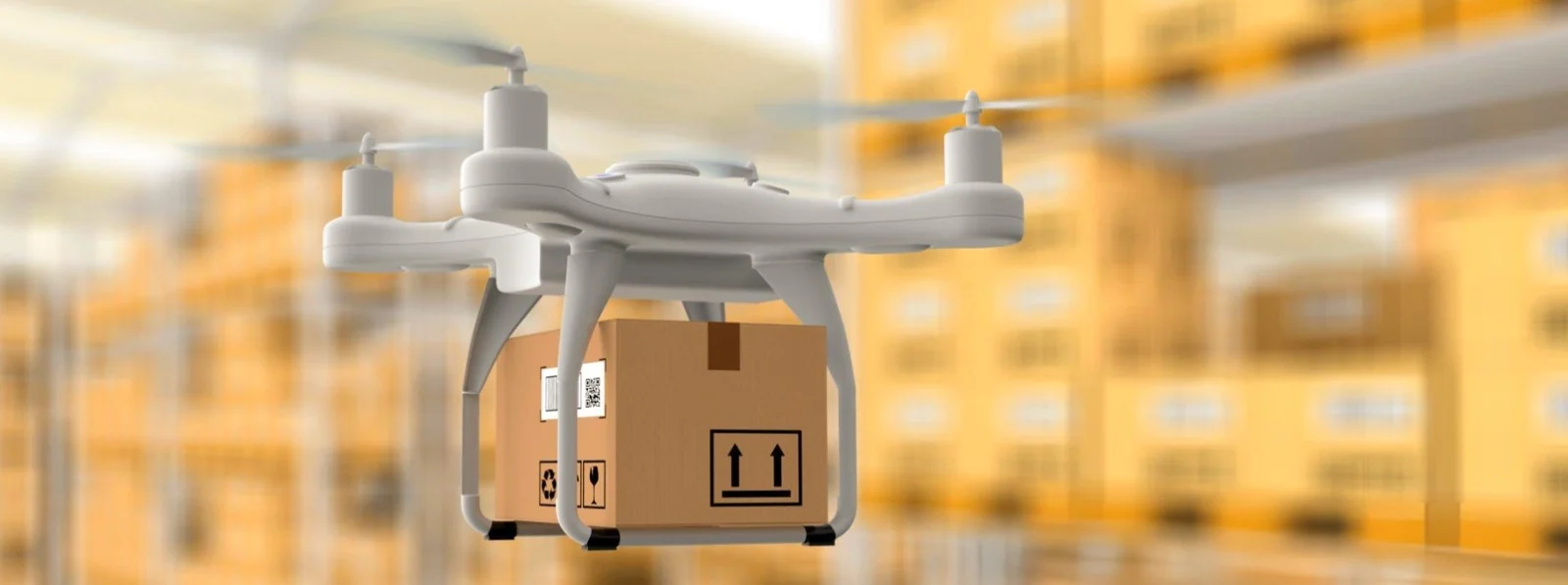
The days of running a logistics operation on phone calls and spreadsheets are ending. The cost of errors is just too high. Logistics automation software by Mobility Infotech brings order to the chaos. They use data to make smarter decisions faster. This leads to less wasted fuel, happier drivers, and satisfied customers who get what they ordered, right on time. It is time to let the technology handle the complex sorting, so your team can focus on growing the business.
Request a demo today!
- content
- Introduction
- Why Manual Dispatch Fails in the Modern ...
- The Problem with Relying on Memory
- Choosing the Right Path Forward
- Conclusion
Get in touch with our battle-tested sustainability, technology, and TMS specialists to explore tailored green logistics solutions.

You might also like
 Written by Jane Austen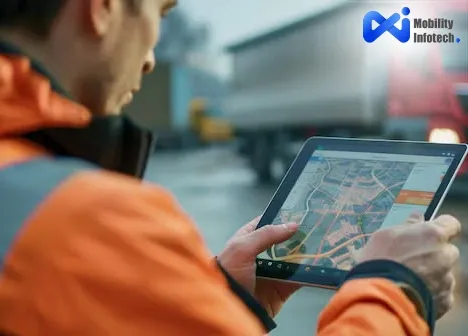
 Written by Michael S.
 Written by David Williams