Connected Fleets Explained: How Route Optimization + Telematics Boost Service Efficiency

Introduction
In today’s fast-moving logistics world, time is money. Fuel is money. Even a few extra miles on the road can hurt profit. That is why connected fleets are becoming the backbone of modern transport. At Mobility Infotech, we help logistics companies move from manual planning to smart planning with fleet route optimization and telematics working together. When vehicles, drivers, and dispatch teams stay connected in real time, service becomes faster, safer, and more reliable. In this blog, the power of a fully connected fleet is explained simply, breaking down exactly how this system works and why it matters for your business.
What Are Connected Fleets?
A connected fleet, explained, is a group of vehicles linked through GPS, sensors, mobile apps, and cloud software. Every vehicle shares data. This includes location, speed, fuel use, engine health, and driver behavior. Dispatchers see everything on one screen. They can guide drivers, adjust routes, and respond to problems quickly. When this data connects with logistics routing software, businesses gain control over daily operations. Instead of guessing, they make decisions based on live facts.
Why Route Planning Alone Is Not Enough
Many companies still plan routes using static maps or basic tools. This may work for small fleets. But as orders grow and delivery windows get tighter, manual planning fails. Traffic changes. Weather shifts. Customers reschedule. Without real-time route optimization, drivers waste time sitting in traffic or taking longer paths. This leads to late deliveries and unhappy customers. Modern fleets need dynamic tools that adjust as conditions change.
How Fleet Route Optimization Changes the Game
Fleet route optimization uses advanced algorithms to create the most efficient routes for all vehicles at once. It looks at distance, traffic patterns, fuel cost, delivery slots, and driver shifts. The goal is simple. Deliver more in less time with less fuel. For logistics companies, this means lower operating costs and better on time performance. Mobility Infotech builds systems that simplify this process. Routes are created in minutes. Updates happen instantly. Managers gain full visibility across the fleet.
The Power of AI-Based Route Optimization
Technology is evolving fast. Basic routing tools follow fixed rules. But AI-based route optimization goes further. It learns from past trips. It studies delivery patterns. It predicts delays before they happen. If traffic builds on a highway at a certain hour, the system remembers. Next time, it suggests a better option. Over weeks and months, the software becomes smarter. This reduces repeat mistakes and boosts long term efficiency. AI also helps manage sudden changes. If a customer adds a last minute order, the system adjusts routes without disrupting the whole plan.
Vehicle Route Optimization for Smarter Assignments
Not all vehicles are the same. Some carry heavy loads. Some handle fragile goods. Some operate in narrow city streets. Vehicle route optimization matches the right vehicle to the right job. It considers vehicle capacity, driver skills, and route limits. This prevents overloading and reduces wear and tear. It also ensures faster delivery because each trip is planned for the specific vehicle in use. For growing fleets, this level of planning keeps operations balanced and cost effective.
Multi-Stop Route Optimization for Complex Deliveries
Most logistics companies handle multiple stops per trip. A driver may deliver to ten or twenty locations in one shift. Planning this manually is hard. One wrong sequence can add hours to the route. Multi-stop route optimization arranges deliveries in the best order. It calculates the shortest path while meeting all delivery windows. It also factors in loading and unloading time. The result is smooth trips with fewer delays. Drivers feel less stress. Customers receive goods on time.
Real-Time Route Optimization Keeps Fleets Flexible
Road conditions change every minute. Accidents, road work, or sudden storms can block planned routes. With real-time route optimization, the system tracks live traffic and suggests new paths immediately. Drivers receive updates on their mobile devices. Dispatchers can monitor the change on their dashboard. This flexibility prevents long delays. It also builds trust with customers because arrival times stay accurate. In logistics, reliability builds strong client relationships.
Telematics: The Heart of Connected Fleets
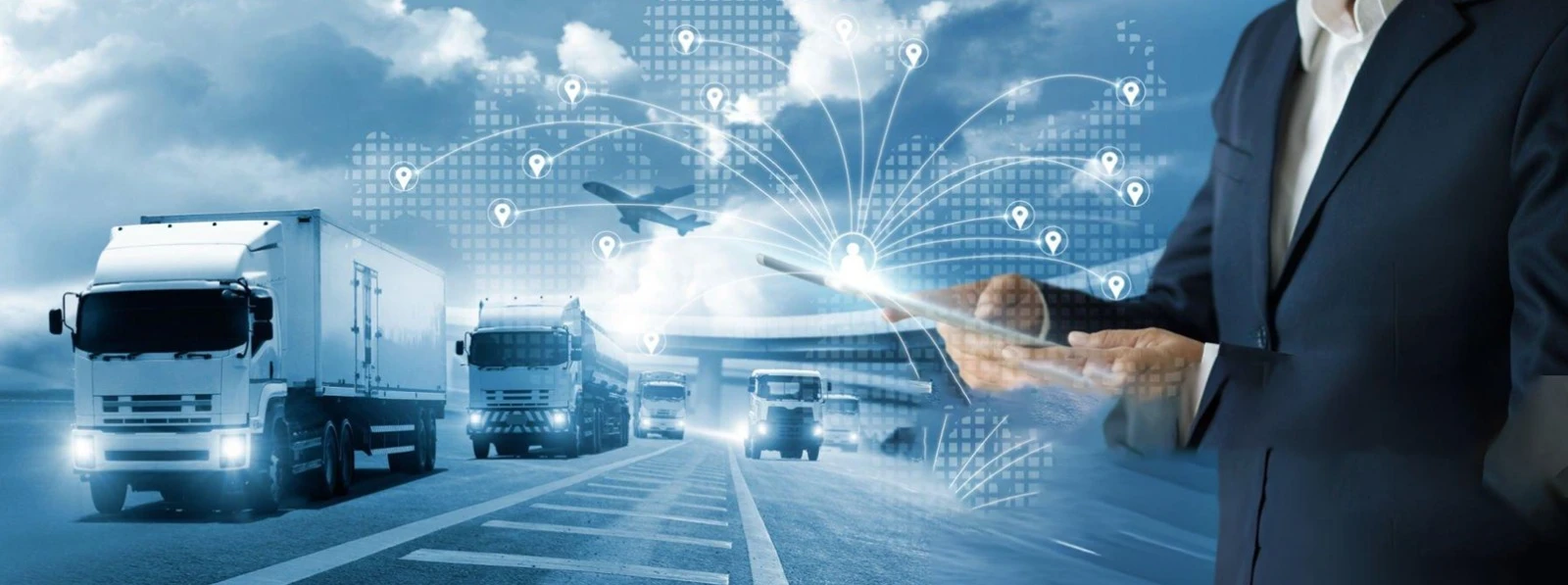
Telematics collects and sends data from vehicles to the central system. GPS tracking shows location. Sensors monitor fuel use and engine status. Driver behavior such as harsh braking or rapid acceleration is also recorded. When telematics connect with logistics routing software, it creates a full picture of fleet performance. Managers can see if a route is running late. They can check fuel efficiency. They can schedule maintenance before a breakdown occurs. This reduces downtime and keeps vehicles on the road.
How Route Optimization and Telematics Work Together
Route optimization plans the best path. Telematics checks how well that plan works in real life. If a driver takes a longer route, managers can see it. If fuel use is higher than expected, they can investigate. This feedback loop improves planning every day. Over time, the system fine tunes itself. AI-based route optimization learns from telematics data. It notices patterns in delays or fuel waste. Then it creates even better routes in the future. This continuous improvement drives strong service efficiency.
Cost Savings That Make a Real Impact
Fuel is one of the biggest expenses in logistics. Even small route changes can save thousands each month. With fleet route optimization, companies cut extra miles and reduce idle time. Better planning also means fewer overtime hours. Maintenance costs drop because vehicles follow smarter paths. Insurance risk may decrease due to improved driver behavior tracking. All these savings add up. Profit margins grow without increasing fleet size.
Better Customer Experience Through Smart Routing
Customers expect fast and clear service. They want accurate delivery times. They want updates if something changes. Real-time route optimization supports this need. When routes adjust, customers receive instant notifications. If traffic causes a delay, the system updates the arrival time. This level of transparency builds trust. Happy customers return and recommend the service to others.
Scaling Operations with Logistics Routing Software
As businesses grow, managing more vehicles becomes complex. Manual systems cannot handle high order volumes. Logistics routing software centralizes planning, tracking, and reporting. It allows managers to oversee dozens or hundreds of vehicles from one platform. Reports show route efficiency, delivery rates, and driver performance. This data helps leaders make smart decisions about expansion. Whether adding new cities or new vehicles, the system scales easily.
Data Driven Decisions for Long Term Growth
Connected fleets do more than solve daily problems. They provide insights for long term strategy. Reports from vehicle route optimization and telematics show which routes are most profitable. They highlight peak delivery hours. They reveal areas with frequent delays. Business leaders use this data to adjust pricing, improve warehouse locations, or redesign service areas. Growth becomes planned and stable.
Why Mobility Infotech Logistics Is the Right Partner
At Mobility Infotech Logistics, we focus on simple solutions that deliver real results. Our tools combine multi-stop route optimization, telematics integration, and AI driven insights in one easy platform. We believe technology should simplify work, not complicate it. Our systems are built with user friendly dashboards and clear reports. Drivers, dispatchers, and managers all benefit from smooth communication and strong visibility. The result is higher efficiency and better service.
Final Thoughts
Connected fleets are no longer optional. They are essential for modern logistics. By combining fleet route optimization, AI-based route optimization, vehicle route optimization, and real-time route optimization with powerful telematics, companies gain control over time, cost, and service quality. The road ahead belongs to smart fleets that plan better and respond faster. Mobility Infotech Logistics is ready to help you lead that journey.
Get in touch with our battle-tested sustainability, technology, and TMS specialists to explore tailored green logistics solutions.

You might also like
 Written by Jane Austen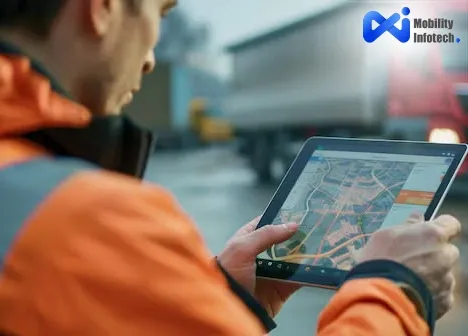
 Written by Michael S.
 Written by David Williams