
Logistics Software in the USA: Scaling Supply Chains with Technology

Introduction
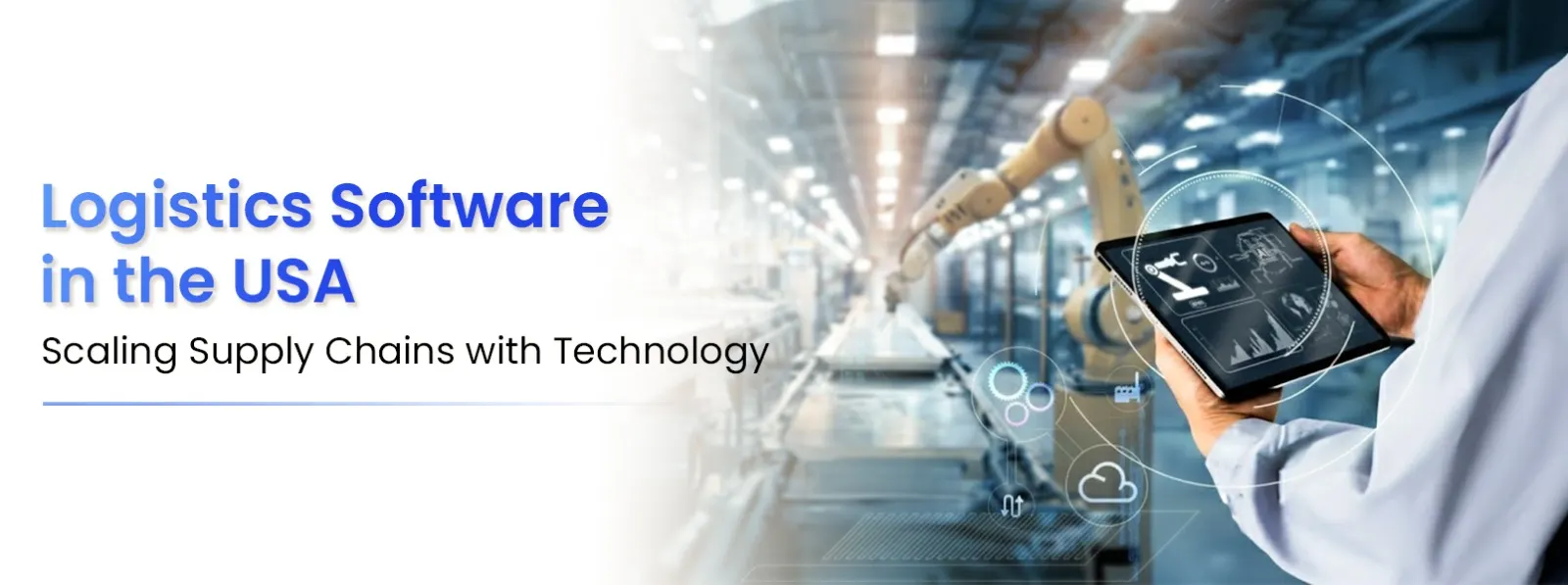
In the United States, logistics and supply chain operations are more important than ever. Businesses move goods across states and across borders. Customers expect faster delivery. Costs keep rising. To meet these challenges, logistics software has become a key tool for companies large and small. This blog explains how logistics software is helping supply chains in the USA grow stronger and smarter. Mobility Infotech Logistics is a trusted logistics software company helping US businesses scale supply chains with reliable, easy-to-use technology. The goal is to show how the right technology can transform logistics for your business.
Why Logistics Software Matters in the USA
The logistics world is changing fast. Manual processes and paper-based systems can no longer keep up with demand. With the rise of e-commerce and global trade, companies need real-time data, faster decision-making, and better planning. That is where logistics software comes in.
The logistics software is a form of technology that assists in shipping, inventory management, warehouse management, and automation. It includes transportation management, warehouse management, and supply chain planning tools. These systems give companies clear visibility into all parts of their supply chain.
In the US, the logistics software market is growing steadily. North America leads the global logistics software industry with about 34% market share and is projected to grow strongly in the coming years, driven by demand for digital tools and cloud solutions.
How Logistics Software Improves Supply Chains
1. Real-Time Tracking and Visibility
One of the biggest advantages of logistics software is real-time tracking. Companies can see where goods are at any moment. Drivers, trucks, containers, and inventory levels are all visible through dashboards. This reduces delays and improves planning.
Cloud-based platforms help teams share data across departments and partners. Over 60% of logistics companies in the US use cloud platforms to improve visibility.
2. Better Route Planning and Cost Savings
Route planning is another major benefit. Logistics software uses digital maps and data to plan the most efficient routes. This helps reduce fuel use and delivery time. With predictive analytics, companies can forecast demand and adjust routes before problems arise. Many logistics firms invest in analytics and AI to optimize costs.
In the US, predictive tools and AI help logistics companies improve visibility and reduce operating costs. The supply chain and logistics AI market in the US is estimated to be USD 6 billion, which proves the relevance of advanced tools.
3. Warehouse Efficiency
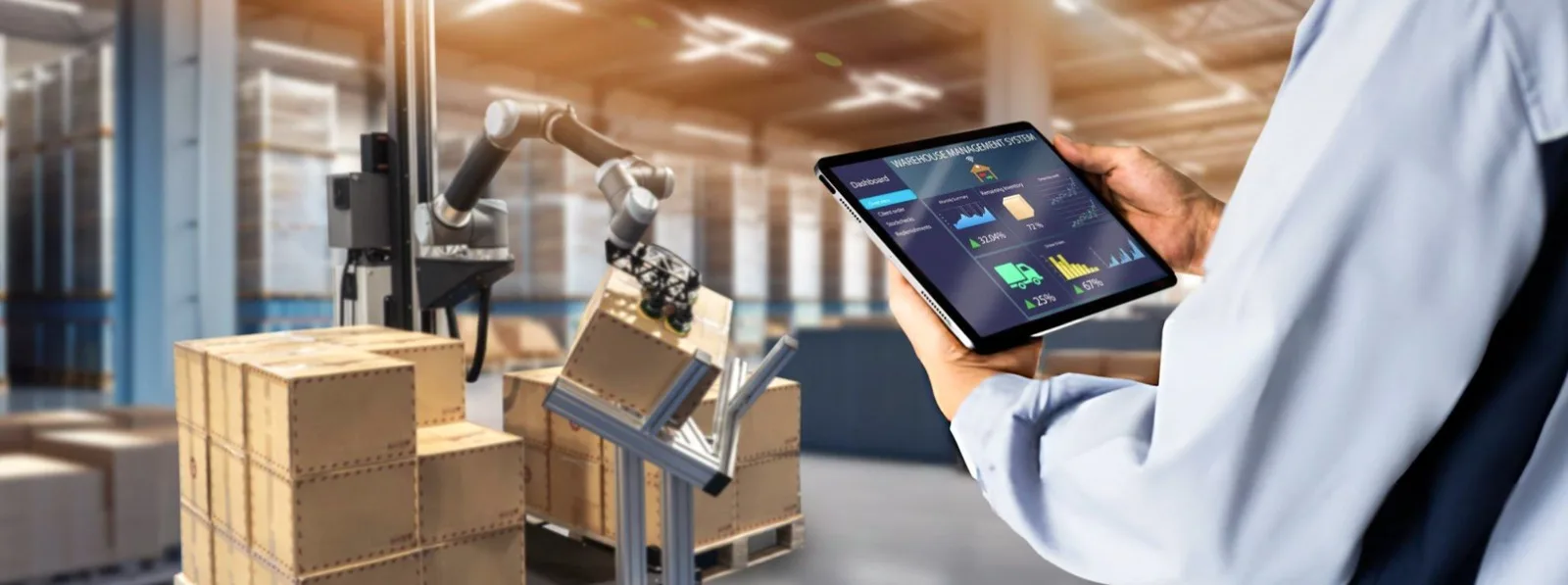
Warehouse operations can be very complex. Logistics software helps manage stock, reduce errors, and speed up order fulfillment. Transportation and warehouse management systems combine transport planning with inventory control, so both are easier to handle.
With proper software, businesses improve storage use, reduce mistakes, and cut labor costs. This gives companies a competitive edge in fast-paced markets.
4. Better Collaboration
Modern supply chains involve many players. Manufacturers, suppliers, carriers, and retailers must show data and work together. Logistics software links these partners in one shared system. This coordination leads to fewer disruptions and better outcomes.
Technology is also useful in integrating other digital systems like IoT devices, sensors, and advanced analytics. These tools are used to store data on trucks, warehouses, and orders.
Government and Industry Trends Supporting Digital Logistics
Government and industry leaders in the USA know the value of logistics technology. Not all logistics data is regulated by the government, but industry surveys clearly show growth in digital adoption.
For example, nearly 65% of supply chain companies are increasing their investment in digital tools each year to keep up with market changes. These investments help companies achieve faster delivery, lower costs, and stronger resilience against delays.
Moreover, business leaders who operate on digital transformation in US logistics are focused on cloud adoption, AI tools, and predictive analytics. The digital tools are seen by many supply chain leaders as the key to remaining competitive in the future.
Choosing the Right Logistics Software Company
Mobility Infotech Logistics is a trusted logistics software company that partners with US businesses to improve efficiency and control across the supply chain.
- Scalable platforms that expand with the company.
- Real-time visibility tools
- Simple connectivity with other systems.
- Dedicated customer support
- Proven industry experience
By collaborating with an effective logistics application software vendor like Mobility Infotech Logistics, business entities will have the means of streamlining their operations and enhancing performance. An effective partner is capable of assisting in the implementation of systems and training the teams to optimize the technology.
Success Stories: What Growth Looks Like
These are some of the ways logistics software leads to success:
- Organizations that implement online tracking and scheduling systems claim fewer delays and higher customer satisfaction.
- Data analytics help teams predict demand, reducing excess inventory and saving money.
- Cloud-based systems support remote work and real-time updates across multiple facilities.
Organizations that implement online tracking and scheduling systems report fewer delays and higher customer satisfaction.
The Future of Logistics in the USA
The logistics industry in the USA is moving toward full digital transformation. As more companies adopt AI and cloud technology, we will see:
- Faster response to market changes
- Better prediction of supply needs
- Stronger supply chain resilience
- Lower operational costs
By working with Mobility Infotech Logistics, US businesses gain access to logistics application software that simplifies operations and improves daily performance.

Closing Thoughts
Logistics software plays a big role in scaling supply chains in the United States. From real-time tracking to better warehouse planning, technology helps companies work smarter and serve customers better. A reliable logistics software company can transform how your business operates, save costs, and grow. Investing in strong logistics application software today means improved performance tomorrow.
- content
- Introduction
- Why Logistics Software Matters in the US...
- How Logistics Software Improves Supply C...
- Government and Industry Trends Supportin...
- Closing Thoughts
Get in touch with our battle-tested sustainability, technology, and TMS specialists to explore tailored green logistics solutions.

You might also like
 Written by Jane Austen
 Written by Michael S.
 Written by David Williams