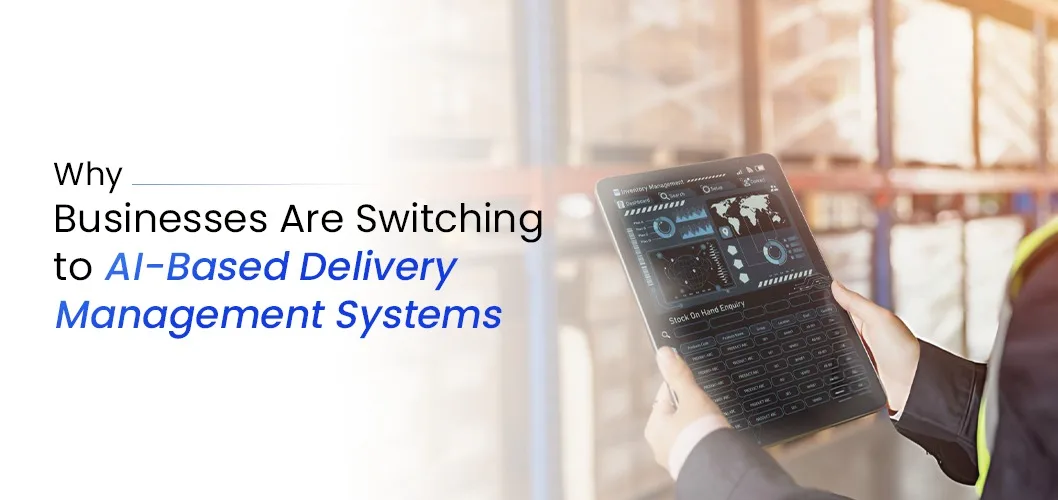
Why Businesses Are Switching to AI-Based Delivery Management Systems

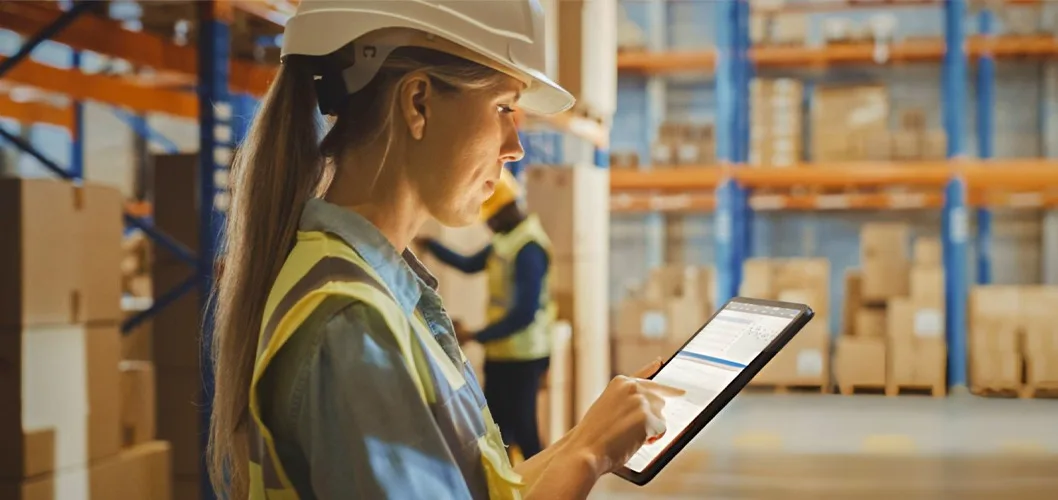
Introduction
Delivery is no longer just about moving goods. It is about speed. It is about trust. It is about cost control. Businesses are under pressure to deliver faster while spending less. This is where AI-based delivery management systems are changing the game.
From retail to food service to B2B logistics, companies are moving away from manual planning. They are adopting smart systems that think, learn, and improve with every delivery.
The delivery challenge in the market
The final mile is the hardest part of delivery. It is also the most expensive. Studies show that last mile delivery management system can make up more than half of total shipping costs. Labor costs are rising. Fuel prices remain unstable. Customers expect same-day or next-day delivery.
Missed deliveries cost money. Late deliveries cost trust. Manual systems cannot keep up with this pressure. Businesses need better control and better insight. That need is driving the shift to AI-based delivery tools.
What an AI-based delivery management system really does
A delivery management system powered by AI goes beyond basic tracking. It connects planning, execution, and reporting in one platform.
It uses real data to make smart choices. It plans routes based on traffic, distance, and stop density. It assigns jobs based on driver skill and load size. It updates delivery times when conditions change.
When paired with a strong TMS system logistics layer, it gives full control from warehouse to doorstep. This is critical for businesses handling high order volumes across cities and states.
Why AI matters more than automation alone
Automation follows rules. AI learns patterns.
AI looks at past deliveries. It sees delays. It understands where time is lost. It adjusts future routes to avoid the same mistakes. Over time, delivery becomes faster and cheaper.
Companies using AI routing report fewer miles driven per route. Fuel use drops. Drivers complete more stops per shift. Customer complaints fall.
These gains are not theory. They are measured results across retail, courier, and food delivery sectors.
The growing role of final mile delivery software
Final mile delivery software focuses on the last stretch of the journey. This is where customer experience is won or lost.
Modern systems provide live tracking. Customers get clear delivery windows. They receive alerts before arrival. Proof of delivery is captured instantly.
For businesses, this means fewer failed attempts. It means fewer calls to support teams. It also means higher repeat orders.
In a market where customer choice is wide, delivery quality becomes a brand signal.
Why TMS system logistics must evolve
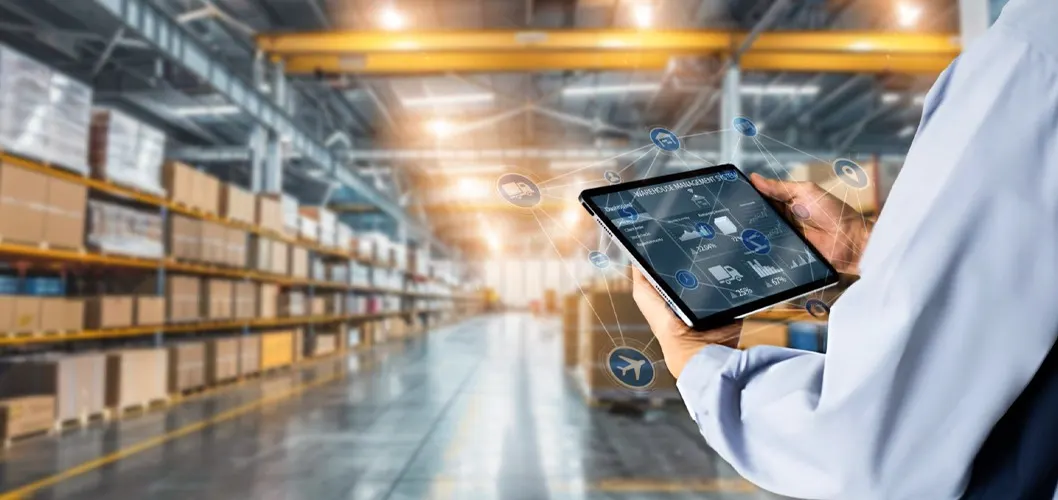
Traditional TMS platforms were built for long haul freight. Today, they must handle both line haul and local delivery.
A modern TMS system logistics solution connects warehouses, hubs, and last mile fleets. It reduces handoffs. It removes data gaps.
When TMS and final mile delivery software work together, planning becomes smooth. Execution becomes faster. Reporting becomes clear.
This unified view helps leaders make better cost and service decisions.
Real business benefits seen by companies
Businesses switching to AI-based delivery systems report clear improvements.
- Fuel costs drop due to shorter routes.
- Driver output increases per day.
- On time delivery rates improve.
- Customer satisfaction scores rise.
- Manual planning time is reduced.
These benefits help businesses scale without losing control. They also help meet strict service level demands from large clients.
Risk control and service reliability
AI systems do more than speed up delivery. They also reduce risk.
They flag high risk delivery zones. They predict where delays may occur. They suggest better delivery windows for difficult locations.
Weather data, traffic data, and order history all feed into decisions. This leads to fewer failed deliveries and lower return costs.
For businesses operating across large regions, this level of insight is vital.
How Mobility Infotech Logistics fits this shift
Mobility Infotech Logistics focuses on intelligent transport solutions built for real world scale. Its delivery management system supports complex routes, mixed fleets, and high volume operations.
The platform combines TMS system logistics strength with advanced final mile delivery software. It supports real time visibility, smart routing, and data driven decisions.
This makes it a strong fit for businesses looking to modernize delivery without adding operational chaos.
CEO Column
Saurabh Chopra, CEO, Mobility Infotech Logistics
Delivery is where promises are tested. Every delay breaks trust. Every smooth delivery builds loyalty.
Technology should remove friction. Not add complexity. AI helps teams make better choices every day. It turns data into action. It turns delivery from a cost into a strength.
The future of logistics belongs to systems that learn and adapt. Businesses that invest early will lead tomorrow.
Conclusion
The move to AI-based delivery management systems is not a trend. It is a response to real pressure. Rising costs. Higher customer expectations. Tighter delivery windows.
For businesses, the path forward is clear. Smarter routing. Better visibility. Faster decisions.
A strong delivery management system with a modern TMS system by Mobility Infotech Logistics is no longer optional. It is essential for growth, control, and customer trust.
- content
- Introduction
- The delivery challenge in the market
- Why TMS system logistics must evolve
- How Mobility Infotech Logistics fits thi...
- CEO Column
- Conclusion
Get in touch with our battle-tested sustainability, technology, and TMS specialists to explore tailored green logistics solutions.

You might also like
 Written by Jane Austen
 Written by Michael S.
 Written by David Williams