How Real-Time Fleet Route Optimization Is Redefining Smart Fleet Management

Introduction
The logistics world is changing fast. Customers expect quick delivery. They want clear updates. They want on time service. For fleet managers, this means more pressure every day. Routes must be tight. Costs must stay low. Drivers must stay safe. This is where fleet route optimization software steps in and changes the game, offering powerful features and capabilities that truly Powers modern fleet operations.
In the past, route planning was done with paper maps or simple GPS tools. Plans were fixed at the start of the day. If traffic built up or a customer changed a delivery time, the whole plan could fall apart. Today, with real-time route optimization, fleets can adjust on the go. This shift is redefining what smart fleet management really means.
At Mobility Infotech Logistics, we believe smart fleets are not just about trucks and drivers. They are about data, timing, and fast decisions. When routes are optimized in real time, every mile works harder. Every stop makes sense. Every delivery feels smooth.
Why Traditional Routing Is No Longer Enough
Static route planning worked when demand was stable. But modern logistics is not stable. Orders come in all day. Traffic patterns change by the hour. Weather can slow down an entire city. A fixed plan cannot handle this level of change.
Without real-time route optimization, drivers waste fuel sitting in traffic. They take longer paths without knowing. They miss delivery windows. This leads to unhappy customers and rising costs
Manual planning also struggles with complex routes. Many fleets handle dozens of stops per trip. Planning the right order for each stop is not easy. That is where multi-stop route optimization becomes critical. It calculates the best sequence for every stop, cutting down travel time and fuel use.
What Is Real-Time Route Optimization
Turning Data Into Smart Decisions
Real-time route optimization uses live data to adjust routes while vehicles are on the road. It looks at traffic flow, road closures, new orders, and delivery priorities. Then it updates routes instantly.
For example, if there is a traffic jam ahead, the system reroutes the driver. If a customer changes the delivery time, the plan reshuffles to fit the new schedule. This is not guesswork. It is smart logic driven by data.
At Mobility Infotech Logistics, we see this as a control tower for your fleet. Managers can view every vehicle. They can see delays before they grow. They can act early instead of reacting late.
The Power of Fleet Route Optimization Software
More Than Just Mapping
Many people think routing tools are just digital maps. That is not true. Modern fleet route optimization software does much more. It plans routes based on distance, traffic, delivery windows, vehicle type, and driver hours.
It also provides reports. Managers can track fuel use. They can measure on time performance. They can see how many miles were saved. This data helps leaders make better decisions for the future.
Good fleet route optimization software also integrates with order management and GPS systems. This means less manual work. Dispatch teams spend less time planning and more time improving service.
Multi-Stop Route Optimization and Last Mile Success
Solving Complex Delivery Chains
Last mile delivery is one of the hardest parts of logistics. Drivers may need to complete twenty or thirty stops in a single trip. The order of these stops matters a lot.
Multi-stop route optimization calculates the most efficient sequence. It avoids backtracking. It reduces idle time. It ensures high priority deliveries happen first.
When done right, multi-stop route optimization lowers fuel costs and increases the number of deliveries per route. This directly improves profit margins. It also reduces driver stress. Drivers follow a clear, logical path instead of guessing the next best turn.
Real-Time Visibility Builds Customer Trust
Today, customers want updates. They want to know when their order will arrive. With real-time route optimization, estimated arrival times are accurate and updated automatically.
If a delay happens, the system adjusts the delivery time and notifies the customer. This level of transparency builds trust. Customers feel informed. They feel valued.
For fleet operators, this means fewer support calls. It means fewer complaints. It means stronger relationships.
Cost Control Through Smart Routing
Fuel is one of the biggest expenses in logistics. Wasted miles mean wasted money. By using fleet route optimization software, companies can cut unnecessary travel.
Shorter routes mean less fuel burned. Fewer delays mean less engine idle time. Over weeks and months, these savings add up.
Maintenance costs also drop. Vehicles that drive fewer miles need fewer repairs. Tires last longer. Engines stay healthier. Smart routing supports long term fleet health.
Driver Productivity and Satisfaction
Drivers are the backbone of any fleet. Long hours and unclear routes create stress. When routes change without warning, it can be frustrating.
With real-time route optimization, drivers receive clear updates directly on their mobile devices. They do not need to call dispatch for new instructions. The system guides them step by step.
When routes are logical and efficient, drivers finish on time. They spend less time stuck in traffic. This improves morale and reduces turnover.
Data Driven Fleet Management
Smart fleet management is built on data. Fleet route optimization software collects valuable information every day. It tracks travel time, stop duration, and route efficiency.
Managers can use this data to spot patterns. Maybe certain areas always cause delays. Maybe some routes can be combined. These insights help refine operations over time.
With multi-stop route optimization, data also shows which delivery sequences work best. Continuous improvement becomes part of daily operations.
The Competitive Advantage
Logistics is highly competitive. Companies that deliver faster and more reliably win more business. By adopting real-time route optimization, fleets gain a clear edge.
They respond faster to changes. They serve more customers in less time. They keep costs under control.
Mobility Infotech Logistics supports fleets in building this advantage. Smart tools, clear dashboards, and live tracking turn complex logistics into simple, manageable workflows.
The Future of Smart Fleets
The future will bring more demand and tighter timelines. E commerce will continue to grow. Urban traffic will become more complex.
Fleets that rely on old planning methods will struggle. Fleets that embrace fleet route optimization software and advanced routing tools will thrive.
With real-time route optimization and strong multi-stop route optimization, smart fleet management becomes proactive instead of reactive. It becomes efficient instead of chaotic. It becomes a growth engine instead of a cost center.
At Mobility Infotech Logistics, we see route optimization not as a feature but as a foundation. It supports better service, lower costs, and stronger customer trust. In a world that moves fast, smart routing keeps your fleet one step ahead.
- content
- Introduction
- What Is Real-Time Route Optimization
- Real-Time Visibility Builds Customer Tru...
- The Competitive Advantage
Get in touch with our battle-tested sustainability, technology, and TMS specialists to explore tailored green logistics solutions.

You might also like
 Written by Jane Austen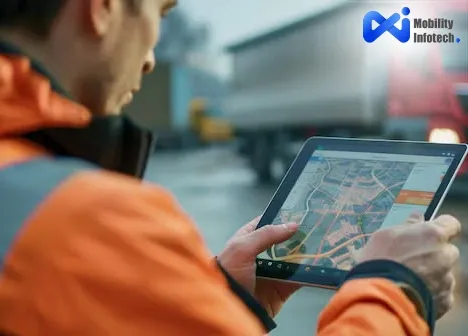
 Written by Michael S.
 Written by David Williams