
Reducing Failed Deliveries with Predictive AI and Real-Time Route Optimization

Introduction
The logistics industry is transforming faster than ever before.. In 2026, the demand for quick shipping has reached a new peak. For any delivery business, the final stretch from the warehouse to the front door is the most vital part of the journey. Yet, it is also the part where things most often go wrong. Every time a driver cannot find a home or a customer is not there to sign for a box, your costs go up. These failed attempts are not just small hiccups. They are a massive drain on your profits and your brand's name. We at Mobility Infotech logistics understand these more than many others, which is why our last mile route optimization tool is here to save your time and prestige.
The High Cost of Every Missed Delivery
When a delivery fails, the job is only half done, but the cost has already doubled. Recent data shows that the last mile now makes up 53% of all shipping costs. According to the U.S. Census Bureau, retail sales in early 2026 reached over $733 billion, with non-store retailers growing by nearly 11% compared to last year. This surge in orders means more trucks on the road and more chances for errors.
Experts estimate that a single failed delivery attempt can cost a business between $17 and $20. This cost covers the driver's extra time, the fuel to go back, and the work needed to set up a new drop-off time. If your business has a failure rate of even 5%, those dollars add up to millions in lost revenue every year. Beyond the money, there is the cost of trust. About 84% of shoppers say they will not shop with a brand again after just one bad delivery experience.
Why Deliveries Fail in 2026
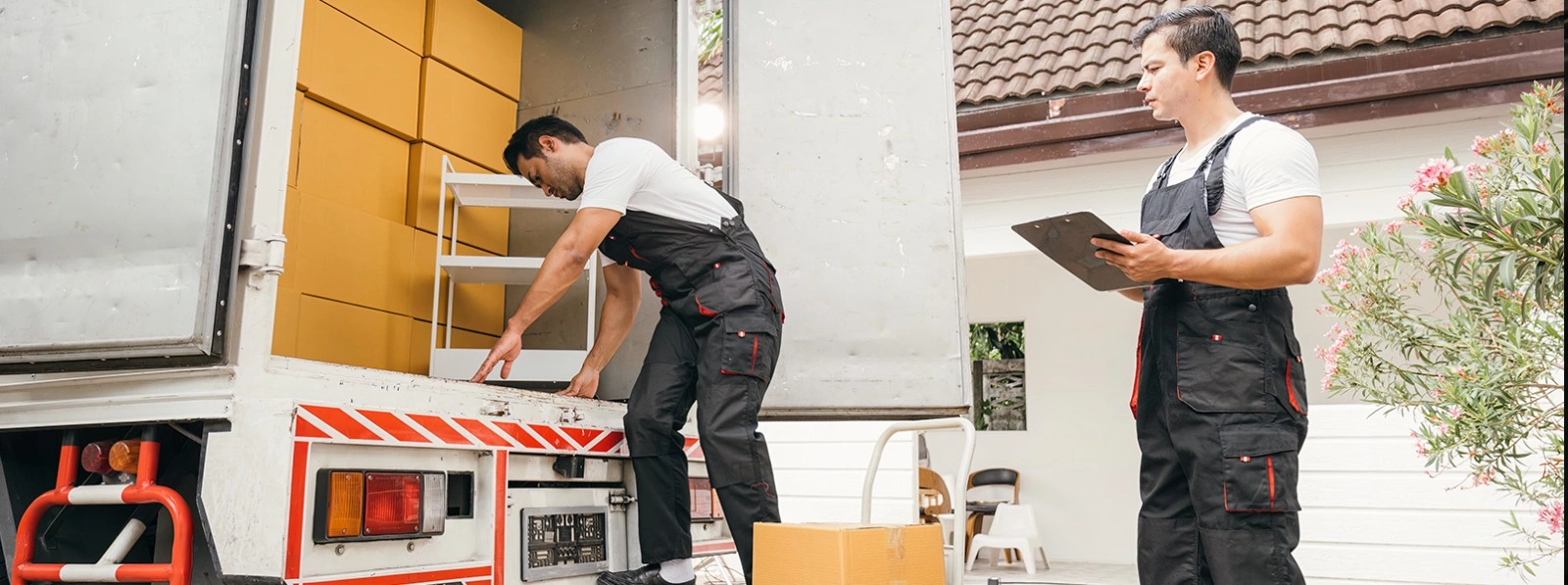
To fix the problem, we must look at why it happens. Traffic is heavier than ever, and city streets are more crowded. Traditional planning cannot keep up with a sudden road closure or a shift in the weather. Common reasons for failure include:
- Wrong Address Data: Simple typos in an address can send a driver miles out of the way.
- Gate and Access Issues: Drivers often get stuck at apartment buzzers or gated communities without a code.
- Customer Absence: High-value items often need a person to be home, but without a tight time window, customers are often out.
- Traffic and Delays: A single crash on a main road can throw off an entire day's schedule.
Solving the Crisis with Real-Time Route Optimization
The old way of planning routes involved a person sitting at a desk with a map the night before. Today, that is not enough. Real-Time Route Optimization uses live data to change paths on the fly. If a street is blocked or a new order comes in, the system updates the driver instantly.
This technology does more than just find the shortest path. It looks at the whole picture. Fleet route optimization helps managers see where every truck is at any second. It ensures that the right driver is on the right path with the right load. By using route optimization, companies are seeing a 20% to 40% drop in fuel use and miles driven. This is a huge win for both your wallet and the planet.
The Power of Predictive AI
Predictive AI is like having a crystal ball for your logistics. Instead of just reacting to what is happening now, it guesses what will happen next. It looks at years of data to know that a certain bridge will be slow at 4:00 PM on a Friday. It knows that some neighborhoods have harder parking than others.
By using these smart tools, you can give your customers a precise time window. Instead of saying "your box will arrive between 8 AM and 6 PM," you can say "your driver will be there at 2:15 PM." This level of detail makes it much more likely that the customer will be home, which slashes your failed delivery rate.
Boosting the Last Mile with Smart Tech
The final leg of the journey is where the most money is saved or lost. This is where last mile route optimization comes into play. It focuses on the tiny details of the neighborhood level. It guides drivers to the exact side of the street where the door is located. It can even store notes about where to leave a package if a customer is away, like behind a porch pillar or with a neighbor.
Using these tools helps your team work smarter, not harder. You can complete more stops per day without adding more trucks or hiring more people. This is the key to scaling your business in a tight market where labor is hard to find.
Government Data and Future Trends
The U.S. Department of Transportation has set clear goals for 2026 to improve how goods move. Their FY 2026 Performance Plan focuses on keeping a "Truck Travel Time Reliability Index" of 1.43 or lower. This means the government is working to keep highways moving so your fleet stays on track.
At the same time, the U.S. Census Bureau reports that online shopping is not slowing down. As the volume of packages grows, the pressure on your fleet route optimization systems will only increase. Businesses that do not use AI will find it harder to compete with those that can promise and deliver perfect service every time.

How to Get Started with Mobility Infotech Logistics
Moving to an AI-driven system might feel like a big leap, but it is a step you cannot afford to skip. At Mobility Infotech Logistics, we help you bridge the gap between old-school logs and modern tech. Our tools integrate with your current setup to provide:
- Live Visibility: See your entire fleet on one screen.
- Smart Rerouting: Automatically move drivers around traffic jams.
- Customer Alerts: Keep your shoppers in the loop with live ETAs.
- Data Insights: Learn from every trip to make the next one better.
The goal is simple: fewer miles, fewer failures, and happier customers. When you reduce failed deliveries, you protect your margins and build a brand that people can rely on.
- content
- Introduction
- The High Cost of Every Missed Delivery
- Why Deliveries Fail in 2026
- Government Data and Future Trends
- How to Get Started with Mobility Infotec...
Get in touch with our battle-tested sustainability, technology, and TMS specialists to explore tailored green logistics solutions.

You might also like
 Written by Jane Austen
 Written by Michael S.
 Written by David Williams