
How Cloud-Based TMS Platforms Are Replacing Legacy Logistics Management Systems

Introduction
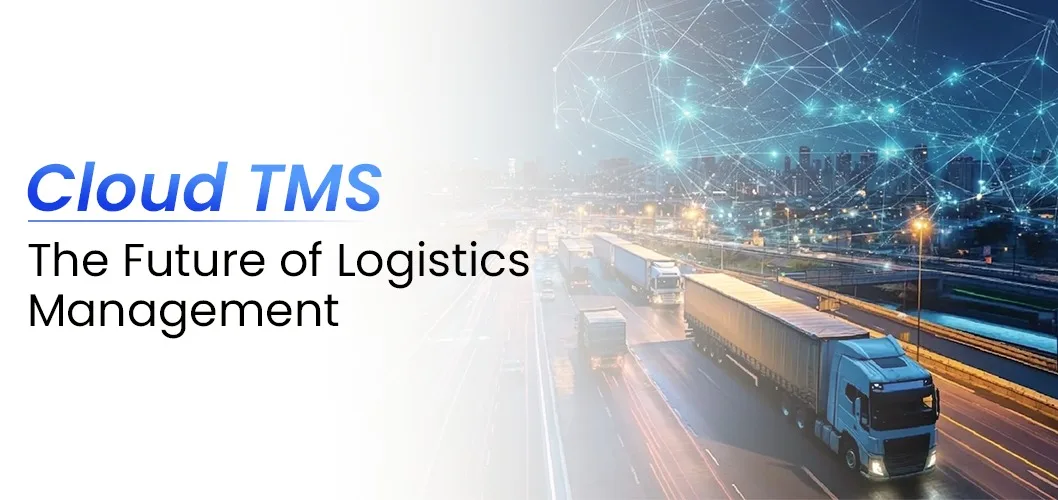
The systems that move goods are evolving faster than ever. For years, many companies used old computer systems to track their trucks and freight. These are called legacy systems. They sit on big servers in a back room and do not talk well to other tools. But today, the industry is moving to the cloud. At Mobility Infotech logistics, we see how this shift helps businesses stay ahead.
Cloud-based TMS software for logistics is now the top choice for smart companies. It is replacing the old ways of working because it is faster, cheaper, and easier to use. In this blog, we will look at why this change is happening and how it helps your bottom line
What is a Legacy Logistics System?
A legacy system is like an old car. It might still run, but it lacks the safety and speed of a new model. These systems are "on-premise." This means the software lives on your own office hardware. To fix it or update it, you need a tech expert to come in and do it by hand.
These old tools often work in silos. One person sees the billing, while another sees the truck locations. They do not share data in real time. This leads to mistakes, lost time, and higher costs. In the busy USA market, being slow is a big risk.
The Rise of Cloud-Based Solutions
Cloud-based platforms live on the internet. You do not need to buy expensive servers or hire a huge IT team to run them. You just log in and start working. This is why many transportation software companies are moving all their tools to the cloud.
The cloud lets everyone see the same data at the same time. If a truck in Texas hits traffic, a manager in New York knows right away. This real-time view is a game-changer. It helps you make better choices and keep customers happy.

Why the Switch is Happening Now
There are a few big reasons why the old systems are going away.
1. Cost Savings
Legacy systems cost a lot of money up front. You have to buy the hardware and pay for licenses. Cloud systems usually use a "pay-as-you-go" model. You only pay for what you use. Research from firms like Technavio shows that companies can see a 40% decrease in IT infrastructure costs after moving to the cloud. Using the cloud helps lower these costs by cutting out the need for big IT setups.
2. Better Security
Some people worry about the cloud being safe. But the truth is, top transportation software companies spend millions on security. They follow strict USA government rules to keep data safe. Your data is often safer in a professional cloud data center than on a single server in your office.
3. Scaling Your Business
If your business grows, a legacy system can hold you back. You would have to buy more hardware to keep up. With cloud-based transport logistics solutions, you can grow instantly. You can add more trucks, more users, and more locations with just a few clicks.
Key Benefits of Modern TMS Software
When you move to the cloud, you get access to tools that the old systems just can't offer.
- Real-Time Tracking: Know where your freight is every second.
- Automatic Updates: The software gets better every month without you doing anything.
- Easy Integration: Connect your TMS to your accounting or warehouse tools easily.
- Mobile Access: Drivers and managers can use the system on their phones.
Data from the USA Government and Industry Leaders
The U.S. Department of Transportation (DOT) and the American Trucking Associations (ATA) track how our industry moves. In early 2026, the U.S. DOT issued a request for information to help create a National Strategy for Transportation Digital Infrastructure. This shows that the government is pushing hard for digital tools to modernize our roads and rails.
The ATA projects that truck freight volumes will grow to nearly 14 billion tons by 2035. With revenues expected to jump from $906 billion in 2024 to $1.46 trillion in the next decade, the pressure to be efficient is high. According to the ATA, 91.5% of carriers operate 10 or fewer trucks. For these small teams, cloud TMS software for logistics is the only way to compete with the giants.
Mobility Infotech: Your Partner in Change
At Mobility Infotech Logistics, we know that switching systems can feel scary. You have used the same tools for years. But the world is moving forward. Our transport logistics solutions are built to make this move easy. We focus on simple tools that your team will actually like using.
We help you move your old data to the new cloud system. We train your staff and stay with you as you grow. Our goal is to make your logistics run like a well-oiled machine.
How the Cloud Fixes Old Problems
Think about the "driver shortage" everyone talks about in the USA. While we can't just make more drivers, we can make their lives easier. Old systems required drivers to call in or fill out paper forms. Cloud tools use apps. A driver can scan a paper and send it to the office in one second. This keeps them happy and keeps your trucks moving.
Also, think about customer service. In the past, if a customer asked, "Where is my stuff?", you had to call the driver. Now, you can give that customer a link. They can see their freight on a map. This saves your team hours of phone time every week.

The Future of Logistics
By 2026, legacy systems will be very rare. The demand for speed and data is too high. Companies that stay with old tech will find it hard to keep up with rising costs and new rules. The cloud is not just a trend; it is the new standard for how we move the world.
The global cloud logistics market is expected to grow from $38.34 billion in 2025 to over $115 billion by 2034. Using transportation software companies that focus on the cloud ensures your business is ready for whatever comes next. Whether it is new fuel rules or a surge in e-commerce, the cloud gives you the flexibility to adapt.
Final Thoughts
Replacing your legacy system is a big step, but it is the right one. You will save money, keep your data safe, and give your team better tools. It also gives you the flexibility to grow and stay competitive in a fast-changing industry.
Mobility Infotech Logistics is here to help you every step of the way with modern transport logistics solutions. Let's move your business into the cloud together. We make sure your transition is smooth and delivers real results. The future of logistics is digital and real-time, so the sooner you start, the more you gain.
- content
- Introduction
- What is a Legacy Logistics System?
- Why the Switch is Happening Now
- Data from the USA Government and Industr...
- The Future of Logistics
- Final Thoughts
Get in touch with our battle-tested sustainability, technology, and TMS specialists to explore tailored green logistics solutions.

You might also like
 Written by Jane Austen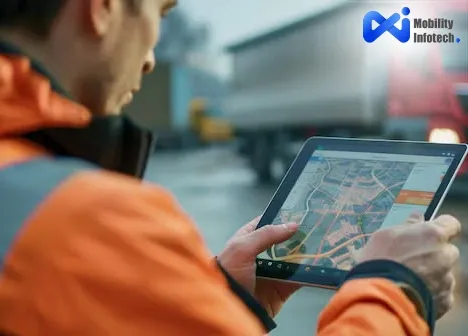
 Written by Michael S.
 Written by David Williams