
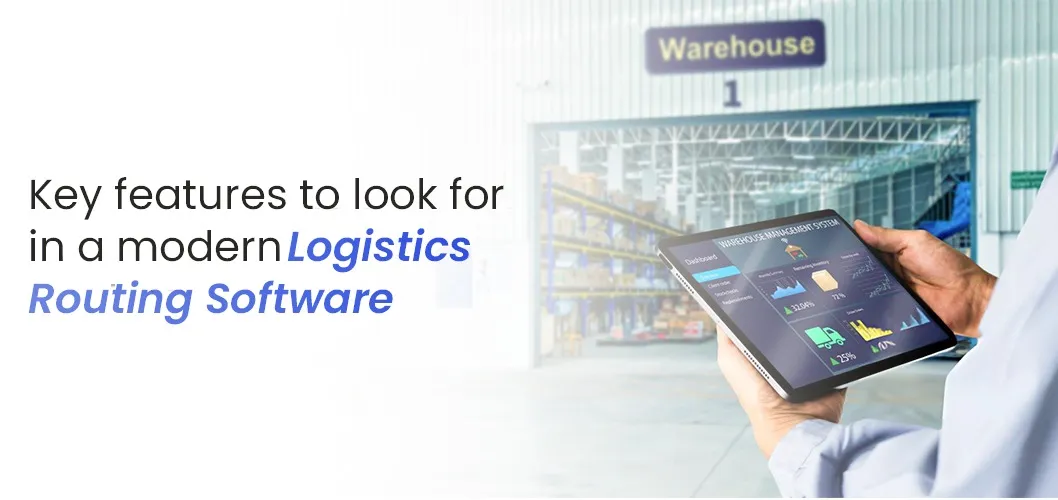
Key Features to Look for in a Modern Logistics Routing Software

Introduction
Imagine a busy morning in your dispatch office. Phones are ringing off the hook. Drivers are calling in, stuck in unexpected traffic. Customers are asking where their orders are. You are staring at a confusing spreadsheet, trying to figure out which truck is closest to a new pickup. It feels chaotic. It feels stressful.
If this sounds familiar, you are not alone. Many delivery businesses in the USA struggle with outdated tools. But there is a better way to manage the madness. The secret lies in using modern Logistics Routing Software.
Key Features for a Modern Logistics Routing Software
Today’s delivery market is tough. Customers expect their goods faster than ever before. The "Amazon effect" means people want to know exactly when their package will arrive. If you are still planning routes with a mental map or basic GPS, you are falling behind. You are likely wasting money on extra miles and gas.
To stay competitive, you need technology that does the heavy lifting for you. You need a system that acts as the brain of your operation. But with so many options out there, what should you look for?
Here are the five essential features that modern routing software must have to help your business thrive.
1. Dynamic and Smart Route Optimization
This is the most critical feature. In the past, routing meant drawing a static line from point A to point B. But the real world is not static. Traffic jams happen. Roads get closed for construction. An urgent new order might come in halfway through the day.
Modern software does not just plan a route once. It constantly thinks. It uses clever algorithms to look at dozens of factors at the same time. It considers delivery windows, vehicle capacity, and current traffic speeds.
If a major accident blocks I-95, the software sees it instantly. It automatically reroutes your drivers around the mess. This "dynamic" approach ensures your drivers always have the most efficient path. The result is fewer miles driven, less fuel burned, and more on-time deliveries every single day. It turns hours of manual planning into seconds of automated work.
2. Real-Time Visibility and Tracking
The question every dispatcher dreads is, "Where is my truck?" Without the right tools, answering this means calling the driver, waiting for them to pick up safely, and getting a vague answer.
A top-tier routing platform gives you a bird's-eye view of your entire fleet. You get a live map on your office screen showing the exact location of every vehicle. You know if they are moving, stopped, or behind schedule.
This isn't just about watching your drivers. It is about proactive service. If you see a driver is running late, you can call the customer before they call you. Better yet, many modern systems allow you to share a tracking link with the customer. They can watch their delivery approach in real-time. This transparency builds massive trust and drastically cuts down on "where is my order" phone calls.
3. Mastering the Final Step with Last Mile Tools
Getting a product across the country on a big rig is pretty straightforward. The hardest part of shipping is usually the final few miles to the customer's door. This is known as the "last mile." It is often the most expensive and complex part of the journey.
You need dedicated last mile routing software features to handle this challenge. Delivery environments in USA cities can be tricky. There are tight corners, difficult parking situations, and specific customer demands like "leave at the back door."
Good software helps manage these details. It ensures drivers have the right information to make the drop quickly. It manages tight time windows so customers aren't waiting all day. Mastering the last mile is where you win customer loyalty. If that final hand-off goes smoothly, the customer remembers a great experience.
4. Seamless Transport Dispatch Software Integration
How does your office communicate plans to your drivers? If you are still using paper clipboards or endless text messages, you are wasting time. There is too much room for error. A driver might misread an address or miss a text about a schedule change.
Modern Transport dispatch software connects the office directly to the driver’s mobile device. The dispatcher drags an order onto a driver’s timeline on their screen. Instantly, the driver gets a notification on their phone app.
They get the full route, customer details, and special instructions. They don't have to type addresses into a separate GPS app. It is all there. When they make the delivery, they can capture a signature or a photo as proof right in the app. This information syncs back to the office instantly. It makes the entire communication loop clean, fast, and error-free.
5. Powerful Data and Analytics
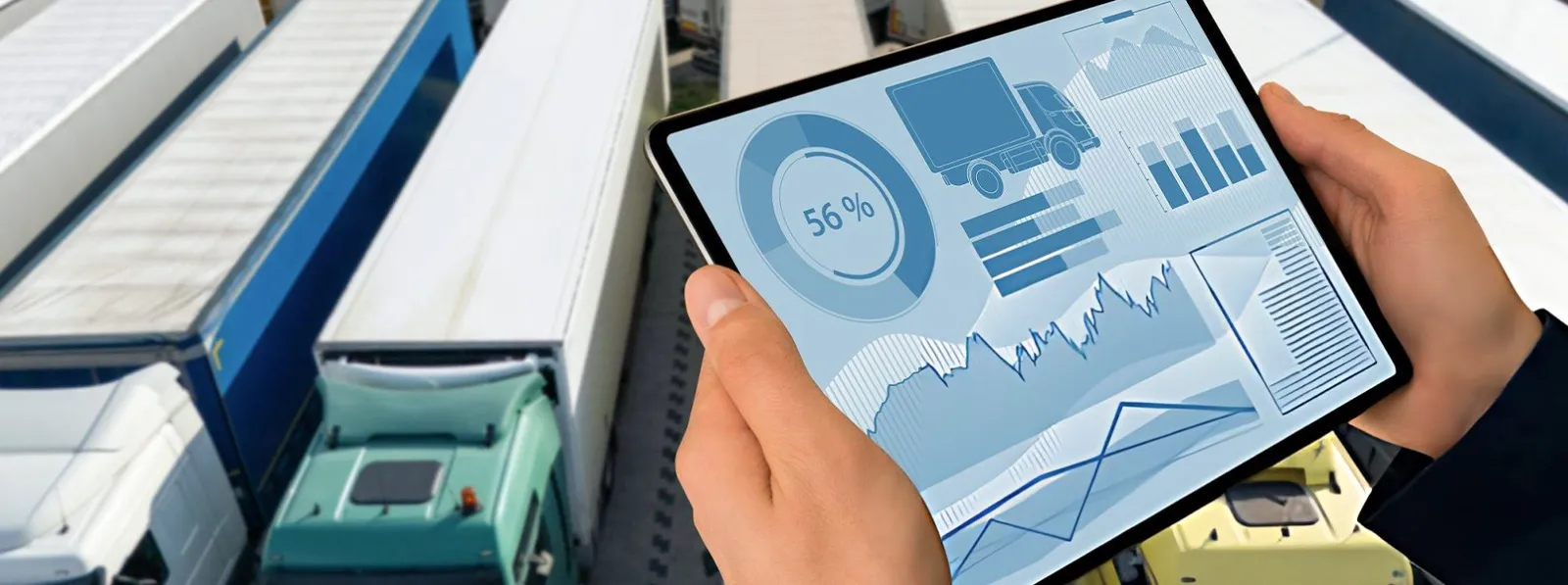
A good routing system doesn't just help you today. It helps you plan for tomorrow. Every trip your drivers take generates valuable data.
Quality software collects this data and turns it into easy-to-understand reports. You can see things like planned versus actual travel times. You can identify which drivers are your most efficient and which ones might need help. You can see how much time is spent loading versus driving.
By looking at this data over time, you can spot trends. Maybe certain routes always take longer on Fridays. You can adjust your future planning based on facts, not just guesses. This continuous improvement helps you run a tighter, more profitable ship.

Moving Forward with Mobility Infotech Logistics
Upgrading your technology can feel like a big step. But sticking with old methods is costing you money right now. The delivery landscape in the USA is moving too fast to rely on manual processes.
You need tools that are powerful but also easy for your team to use day in and day out.
At Mobility Infotech Logistics, we understand these challenges. We build our solutions with these five key features at heart. Our goal is to take the stress out of your daily operations. We want to help you drive fewer miles, make more customers happy, and grow your bottom line.
Don't let outdated tools slow you down. It is time to give your business the modern engine it deserves.
- content
- Introduction
- Key Features for a Modern Logistics Rout...
- Moving Forward with Mobility Infotech Lo...
Get in touch with our battle-tested sustainability, technology, and TMS specialists to explore tailored green logistics solutions.

You might also like
 Written by Jane Austen
 Written by Michael S.
 Written by David Williams