
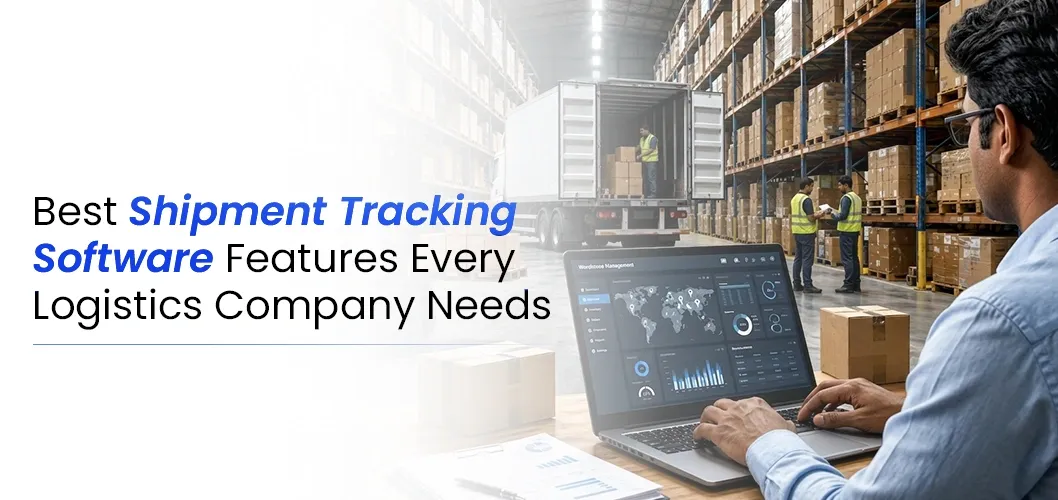
Best Shipment Tracking Software Features Every Logistics Company Needs

Introduction
Most shipment tracking software gets bought for the wrong reason. Someone in sales asks for a customer-facing tracking page, procurement finds a tool, and eighteen months later the operations team is still calling drivers to find out where things are.
Tracking that only informs customers is a marketing feature. Tracking that informs the operation is infrastructure. The difference between the two is whether the data flows back into planning and exception handling, which is really a question about the logistics automation software sitting underneath.
The stakes have grown with volume. Pitney Bowes reported in its 2026 Parcel Shipping Index that US parcel volume reached 23.1 billion shipments in 2025, a 3.3% increase, while parcel revenue rose 6.2%. Its previous index showed Amazon Logistics handling 6.3 billion parcels in 2024 against 6.9 billion for the US Postal Service, with Amazon projected to pass USPS by 2028. Networks are getting more fragmented, not less, and visibility across them is getting harder to assemble.
The mistake almost everyone makes
Operators evaluate tracking as a standalone purchase, then discover the limits within a quarter.
The reason is structural. A tracking product that receives status updates from a separate planning system can only report what it is told, and it is always told slightly late. When planning and tracking share one engine, the ETA on the customer page and the ETA in the dispatch view are the same number, generated at the same moment. That is why the strongest logistic software solutions in the market are platforms rather than point tools.
1. Capture that reflects reality
Everything downstream depends on the quality of the events being recorded, and this is where most tracking implementations are weakest.
- Scan based confirmation at every handoff, so status changes reflect a physical event rather than a scheduled one.
- Live GPS position from the driver application rather than periodic check ins.
- Actual service time captured at each stop, which is the single most useful data point for improving future ETAs.
- Photo and signature proof of delivery attached to the shipment record.
- Exception reason codes captured at the point of failure rather than reconstructed later.
That last point matters more than it sounds. A failed delivery logged as attempted tells you nothing. A failed delivery logged as gated community with no access code tells you exactly what to fix.
2. Exception management before the customer notices
Reporting problems after the fact is the default behaviour of weak tracking tools. What operations actually need is a system that raises its hand early.
A logistics automation platform earns its cost here rather than in reporting. Useful exception features include configurable delay thresholds by service level, automatic escalation when a route slips beyond a set tolerance, reassignment suggestions while there is still time to act, and alerts routed to the person who can actually resolve the issue rather than to a shared inbox. A good logistics automation platform treats the exception queue as the primary operational screen, not as a report.
3. Customer communication that reduces contacts
The purpose of customer facing tracking is not transparency for its own sake. It is contact deflection. Every question you answer before it is asked is a support cost you never incur.
The features that do this reliably are a live tracking link with a continuously updating ETA, notifications triggered by change rather than by schedule, self service rescheduling and delivery instructions, and a clear recovery path when an attempt fails. Anything that sends a customer to a phone line has failed at its job.
4. Analytics that change decisions
Tracking generates an enormous amount of data that most operators never use. The reports worth building are narrow and operational.
- On time performance segmented by zone, driver, customer and service level.
- Planned versus actual service time by location type, which exposes where your route plans are systematically wrong.
- First attempt success rate and failure reasons over time.
- Cost per stop and cost per route, so profitable density can be told apart from expensive sprawl.
- Carrier performance comparisons, which matter increasingly as networks fragment across more providers.
5. Integration and compliance
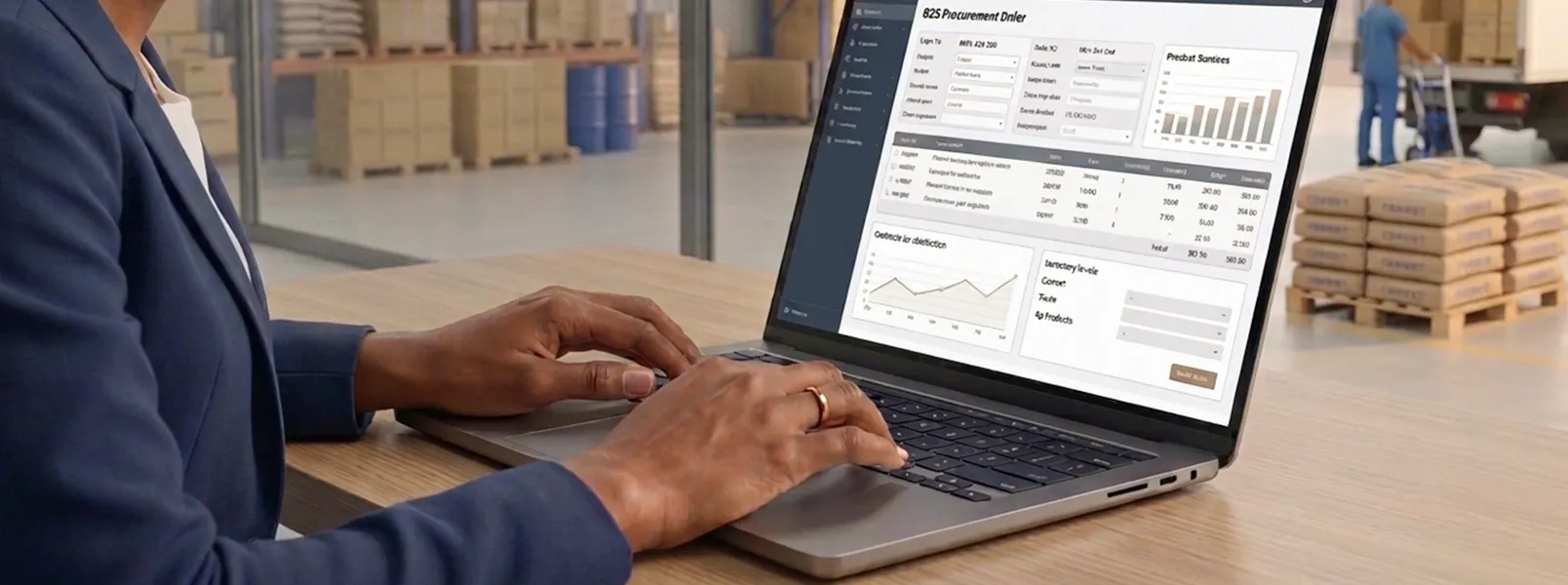
Tracking data that lives in its own silo creates reconciliation work rather than removing it. Two way REST API connections into ERP, order management and warehouse systems let status flow back into invoicing, inventory and customer records automatically.
Compliance is part of this picture too. Since the federal electronic logging device mandate took full effect in December 2017, hours of service data has been captured electronically across US commercial fleets. Logistic software solutions that combine shipment events with driver hours give operations a single view of both service performance and regulatory exposure, which is considerably safer than reconciling two systems after an audit request arrives.
Why Mobility Infotech Logistics
We built shipment tracking as part of the operating platform, not as a customer facing extra.
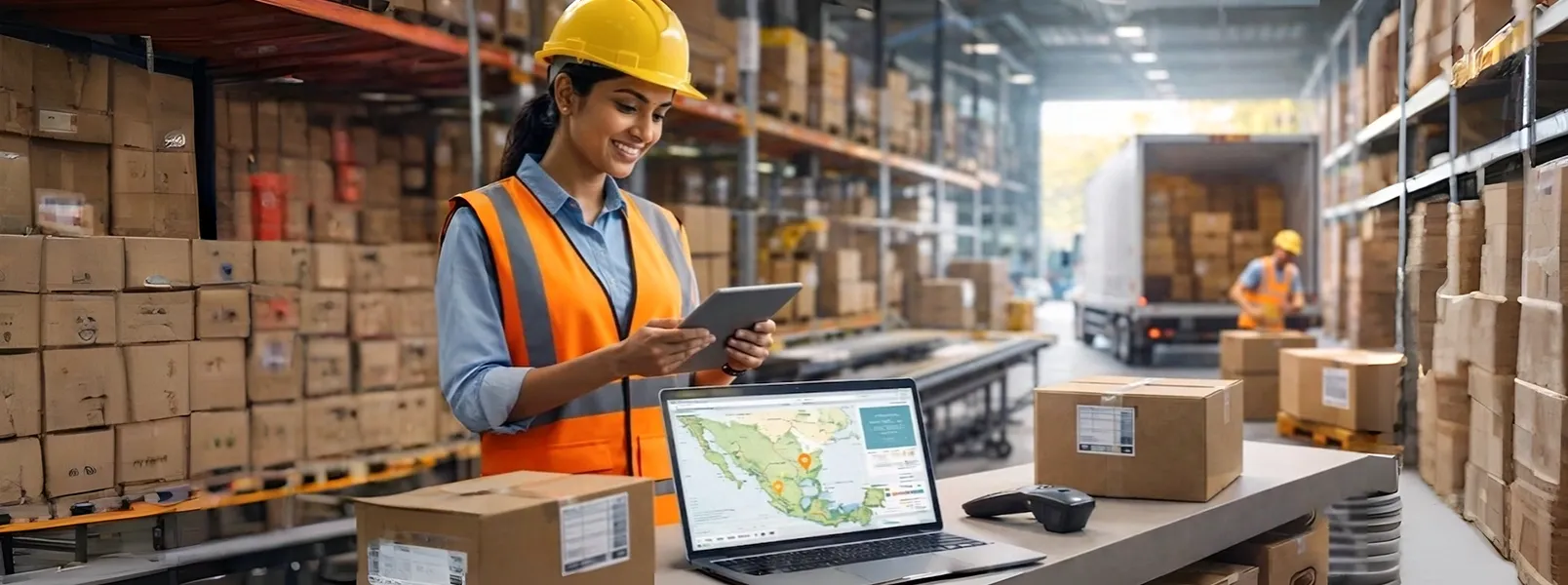
Mobility Infotech Logistics captures live position, scan based confirmations, actual service times and proof of delivery through our driver application, then feeds all of it directly back into a route engine that evaluates more than 200 constraint parameters and re-optimizes during the shift. Exceptions surface in the dispatch view with configurable thresholds, so a slipping route is visible while it can still be rescued.
A chief operating officer at SpiceRoute in India told us that our dashboard gave them visibility across more than 250 weekly shipments, with instant exception alerts, proof of delivery capture and straightforward driver application adoption improving their on time in full performance and reducing detention costs. That combination of live capture and immediate escalation is what separates working logistics automation software from a status page.
What makes our platform different
- Tracking, planning and execution share one data model, so customer ETAs and dispatch ETAs never disagree.
- Coverage spans first mile, mid mile, last mile, warehouse management and route optimization on a single platform.
- Low code integration connects to SAP, Oracle, NetSuite, Microsoft Dynamics and order management systems with two way data flow.
- Governance is enterprise grade, with ISO certifications, GDPR compliance and support for more than 600 brands from offices in the United States, India, Taiwan and Italy.
Buying tracking that earns its keep
Judge shipment tracking software by what it lets you prevent rather than by what it lets you display. Capture quality determines ETA accuracy. Exception handling determines how many problems reach a customer. Integration determines whether the data creates work or removes it.
Get those three right and tracking stops being a page people check when something has gone wrong. It becomes the operational layer that keeps things from going wrong in the first place, which is exactly what serious logistics automation software should deliver. If you would like to see that working against your own shipment profile, the team at Mobility Infotech Logistics will walk you through it with your data.
- content
- Introduction
- The mistake almost everyone makes
- Why Mobility Infotech Logistics
- What makes our platform different
Get in touch with our battle-tested sustainability, technology, and TMS specialists to explore tailored green logistics solutions.

You might also like
 Written by Jane Austen
 Written by Michael S.
 Written by David Williams