
How Multi Pickup Route Planning Improves Daily Pickup Operations

Introduction
Most conversations about route planning in India default straight to deliveries, but pickups deserve just as much attention, especially for operations juggling multiple pickup points across a single day. Think returns collection, seller pickups for a marketplace, or B2B collection runs where a single vehicle needs to visit ten, twenty, sometimes fifty different locations before heading back to the hub. Get the sequencing wrong and you're looking at a driver who spends half the day backtracking across the same neighbourhood. Multi pickup route planning operations have their own specific complexity that's genuinely different from single-stop delivery routing, and it's worth understanding why before evaluating any routing solution.
What Makes Multi Pickup Routing Harder Than It Looks
A single delivery route is relatively straightforward, get from point A to each subsequent point in the most efficient order. Multi pickup routing adds layers. Each pickup location might have a different availability window. Vehicle capacity constraints mean the sequence matters, since a vehicle that fills up too early has to make an unplanned trip back to the hub before finishing its remaining pickups. And unlike deliveries where the endpoint is usually flexible, pickups often need to happen before a specific cutoff so the collected goods can make it into that day's onward processing or shipment.
How Multi Pickup Route Planning Actually Solves This
Good multi pickup route planning software treats all of these constraints as inputs to the optimization, not afterthoughts. It sequences stops based on geography, but also factors in each pickup's specific time window, the vehicle's remaining capacity at each point in the route, and the cutoff time needed to make the next stage of the supply chain. The result is a route that a human planner working with a spreadsheet and a mental map genuinely can't match at scale.
Smart Pickup Route Optimization in Action
Smart pickup route optimization becomes especially valuable when pickup volume fluctuates day to day, which it almost always does. A seller who normally has two packages ready might suddenly have twenty during a sale event. Static routing can't adjust to that kind of daily variability, but a smart system reallocates vehicle capacity and resequences stops based on the actual pickup volume reported that morning, rather than assuming yesterday's pattern holds today.
On-Demand Pickup Route Optimization for Unplanned Requests
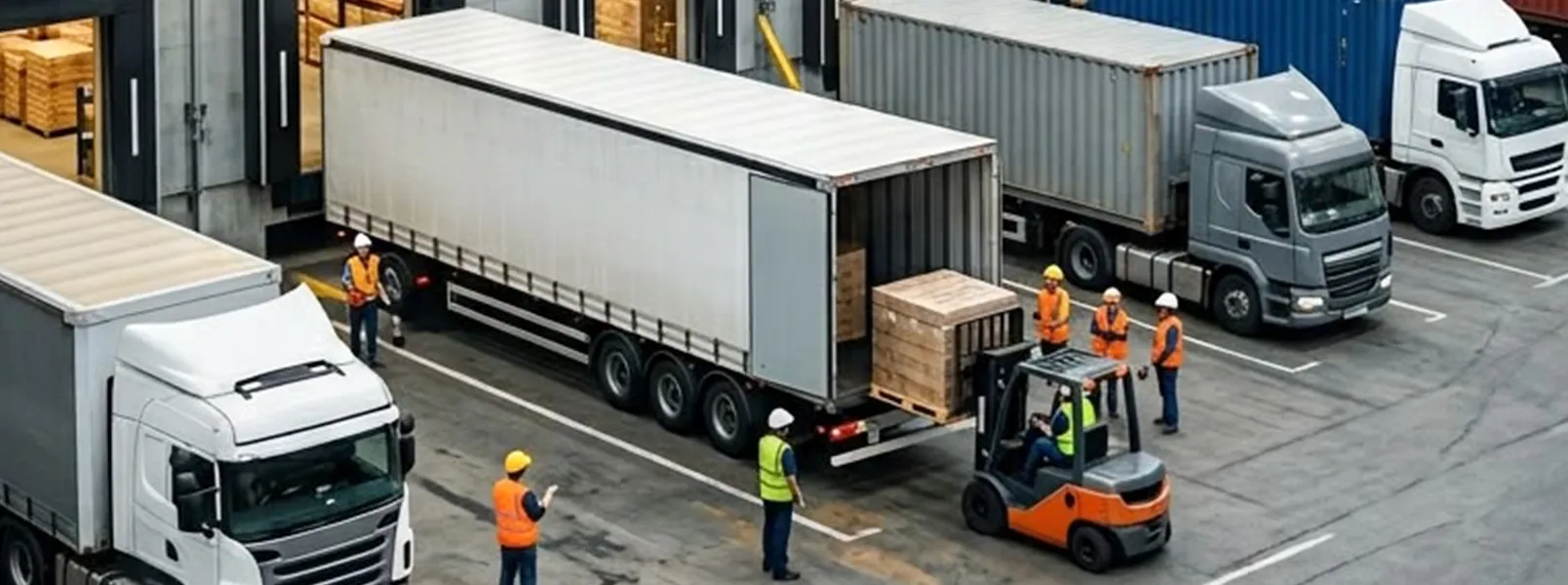
Not every pickup can be scheduled a day in advance. Same-day and on-demand pickup requests are increasingly common, particularly from marketplace sellers who need urgent collection for time-sensitive orders. On-demand pickup route optimization needs to slot these unplanned requests into existing routes without blowing up the whole day's schedule, finding the best insertion point based on which vehicle is realistically closest and has capacity, rather than dispatching a dedicated vehicle for every single ad hoc request.
The Operational Payoff
Operators who move from manual or basic rule-based pickup scheduling to proper optimization typically see fewer missed pickup windows, less driver backtracking, and better utilisation of vehicle capacity across the day. That translates directly into lower cost per pickup, which matters enormously given how tight margins already are across much of India's logistics sector as the industry works toward the government's single digit logistics cost target.
How Mobility Infotech Logistics Handles Multi Pickup Complexity
Mobility Infotech Logistics built our pickup routing to handle exactly this layered complexity, time windows, capacity constraints, and same-day request insertion, as a core capability rather than a bolt-on feature. Our system continuously reassesses pickup sequences as new requests come in throughout the day, keeping vehicles running efficient routes even when the day's pickup volume looks nothing like what was originally planned that morning.
This integrates directly with our first mile and mid mile modules too, so pickup completion data flows straight into downstream planning without manual handoffs slowing things down.
A Day in the Life, Before and After Optimization
It's worth picturing the actual difference this makes on the ground. Before optimization, a pickup driver typically gets a list sorted by whoever happened to submit their request first, not by geography or capacity logic. That means driving across town, back near the starting point, out again, in a pattern that looks almost random when you map it out. Fuel gets wasted, hours get wasted, and by mid-afternoon the driver is often running behind with pickups still left on the list.
After optimization, that same driver gets a sequence that clusters nearby pickups together, respects each location's specific window, and factors in exactly when the vehicle will hit capacity so there's no unplanned mid-route trip back to the hub. The driver finishes the same volume of pickups in noticeably less time, with less stress and far less wasted mileage. It's not a dramatic transformation on paper, but it adds up to real hours saved every single day across a fleet.
Evaluating Your Current Pickup Operation
If you're not sure whether your pickup operation would benefit from dedicated optimization, look at how much backtracking your vehicles do on a typical route and how often pickups get missed or rescheduled due to capacity issues. Both are strong indicators that better sequencing logic would make a measurable difference.
Why This Matters More as Marketplaces Scale
As Indian marketplaces and quick commerce platforms keep expanding their seller base, the number of individual pickup points each logistics partner has to manage keeps growing too. What worked fine with a hundred regular sellers starts breaking down at a thousand, simply because the manual coordination effort scales roughly linearly with seller count while a planner's available time does not. Multi pickup route optimization is one of the few ways to grow pickup volume without growing the planning headcount at the same pace, which matters a lot for operators trying to keep operational costs under control while scaling.
- content
- Introduction
- What Makes Multi Pickup Routing Harder T...
- On-Demand Pickup Route Optimization for ...
- How Mobility Infotech Logistics Handles ...
Get in touch with our battle-tested sustainability, technology, and TMS specialists to explore tailored green logistics solutions.

You might also like
 Written by Jane Austen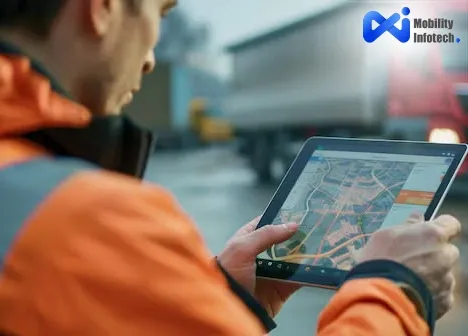
 Written by Michael S.
 Written by David Williams