
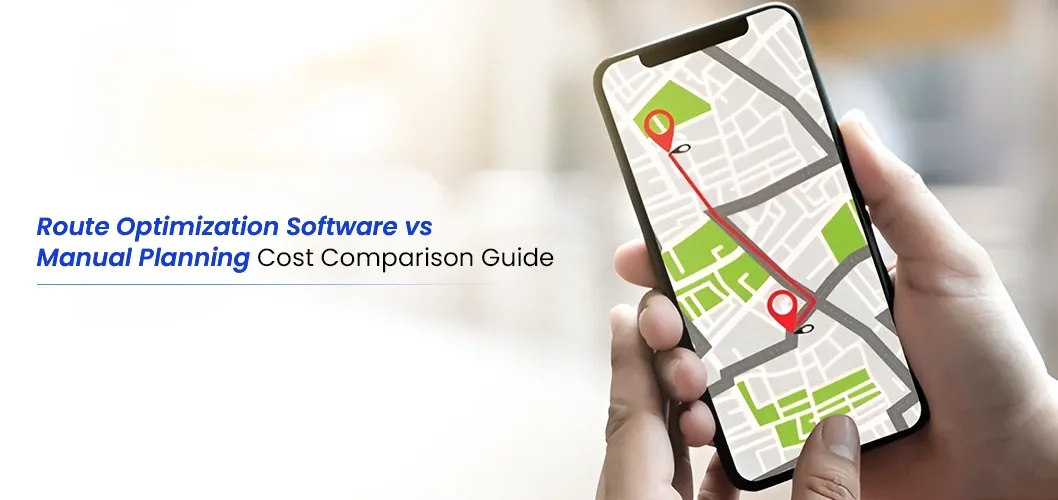
Route Optimization Software vs Manual Planning Cost Comparison Guide

Introduction
Most delivery businesses do not wake up one morning and suddenly realize their routing system is draining profits.
It happens slowly.
A few extra fuel stops here. A delayed shipment there. Drivers are taking longer routes because traffic has changed unexpectedly. Dispatch teams are spending half the morning rearranging schedules manually. Nobody panics because the operation still functions.
But underneath that “functional” surface? Costs keep building.
And in 2025, logistics margins are already tight enough.
Across the United States, businesses are dealing with rising fuel prices, higher customer expectations, labor shortages, and brutal delivery timelines. Customers want packages faster than ever before. Same-day delivery is becoming normal. Two-day shipping now feels slow in some industries.
That pressure has pushed many businesses toward smarter logistics technology, especially route optimization software.
Not because it sounds modern.
Because manual planning is becoming financially exhausting.
A recent 2025 industry report estimated the global market for route optimization systems at nearly $12.3 billion, driven heavily by North American logistics growth and eCommerce expansion. That number tells an important story and serves as a valuable guide for understanding current industry trends. Businesses are not investing in routing technology for fun. They are investing because operational efficiency has become a survival factor.
Honestly, the shift makes complete sense.
Manual Route Planning Looks Cheap Until You Calculate Everything
Here is the trap many businesses fall into.
Manual route planning appears affordable on paper.
There is no major software subscription. Dispatchers already know local roads. Drivers know familiar neighborhoods. Some businesses still plan routes using spreadsheets, phone calls, or years of “gut instinct.”
It feels manageable.
Until somebody actually measures the hidden costs.
Fuel waste becomes one of the biggest problems almost immediately. A dispatcher might accidentally sequence deliveries inefficiently. Drivers may backtrack between stops. Traffic delays force longer driving times. Tiny mistakes pile up fast when fleets operate every day.
And fuel is not cheap anymore.
In 2025, fleet analysts reported that fuel represented nearly 30% to 40% of operating expenses for many U.S. logistics companies. That is enormous. Even small route inefficiencies can quietly erase profit margins over time.
Think about it for a second.
If one driver wastes just 12 unnecessary miles daily, it barely feels noticeable. Multiply that across 50 vehicles operating year-round and suddenly the business is burning thousands of extra gallons annually.
Painful math.
Manual planning also creates labor inefficiency. Dispatch teams spend hours adjusting schedules manually when drivers call out sick, customers reschedule deliveries, or traffic conditions shift unexpectedly.
The workload never really stops.
That constant operational scrambling wears people down.

What Route Optimization Software Actually Does
A lot of people still misunderstand modern route optimization software.
This is not just Google Maps with extra buttons.
Modern routing platforms analyze hundreds of operational variables simultaneously. Delivery windows. Vehicle capacity. Driver schedules. Fuel efficiency. Traffic congestion. Weather disruptions. Road restrictions. Customer priorities. Live delivery updates.
The software processes everything in real time and creates the most efficient routes possible.
Fast.
Some advanced route optimization tools can even reroute drivers automatically while they are already on the road. Imagine a highway shutdown outside Atlanta during rush hour. Instead of dispatchers making frantic phone calls, the software recalculates optimized delivery paths instantly.
That responsiveness matters more than most businesses realize.
Because one delayed delivery rarely stays isolated. It creates a ripple effect. One late stop pushes back another. Then another. Soon drivers are missing delivery windows entirely.
Customers notice that quickly.
And modern customers are not exactly patient anymore.
Fuel Savings Are Becoming Impossible to Ignore
This is where things get interesting.
Businesses implementing AI-powered delivery route optimization systems are now reporting fuel savings between 15% and 30% in many U.S. logistics operations. Those numbers are changing how companies think about transportation technology entirely.
One 2026 fleet optimization case study documented a 31% reduction in fuel expenses after deploying AI-assisted routing technology across a large trucking operation.
Thirty-one percent.
That is not a minor operational improvement. That is a serious financial shift.
Another 2026 logistics deployment reduced nearly 40 active delivery routes down to approximately 20 while maintaining delivery output levels. Fewer routes. Same productivity. Lower operating costs.
That kind of efficiency changes profitability very quickly.
And here is the important part most businesses overlook.
Fuel waste compounds silently.
Nobody notices one inefficient route today. Repeat that same inefficiency across hundreds of deliveries every week and suddenly the business starts wondering why transportation costs keep climbing despite stable order volume.
Smarter routing closes that gap.
Dispatch Teams Are Under More Pressure Than Ever
Dispatchers deserve more credit than they usually get.
They deal with chaos daily.
Drivers get delayed. Customers change delivery times last minute. Vehicles break down unexpectedly. Traffic conditions shift constantly. Manual planners are expected to solve all of it in real time while keeping operations moving smoothly.
That level of pressure creates burnout quickly.
Modern route optimization tools remove a huge portion of that operational stress by automating route sequencing, balancing delivery loads, and recalculating schedules dynamically when disruptions occur.
Some 2025 deployments reported reducing route planning time by nearly 95%.
Imagine that difference operationally.
A process that once consumed four hours every morning suddenly takes fifteen or twenty minutes. Dispatch teams can focus on customer communication, driver support, and strategic planning instead of spending entire mornings untangling delivery schedules manually.
That productivity gain matters.
Especially as delivery expectations continue rising across the United States.
Customers Expect Amazon-Level Delivery Experiences Now
This is the reality businesses are facing.
Customers compare every delivery experience to Amazon, whether that comparison feels fair or not.
Fast shipping has changed consumer psychology completely. Buyers expect accurate ETAs, live updates, smooth delivery windows, and minimal delays. Businesses that fail repeatedly lose trust very quickly.
That pressure explains why Amazon announced a massive $4 billion investment in 2025 to expand its U.S. rural delivery network before the end of 2026.
Delivery infrastructure has become a competitive weapon.
Manual planning struggles under that level of demand because human coordination simply cannot process large-scale routing variables fast enough anymore.
This is exactly why delivery route optimization technology matters so much today.
Optimized routing systems improve delivery consistency dramatically. Some logistics operations using AI-assisted systems are now reporting on-time delivery rates exceeding 95%.
Customers notice that reliability immediately.
Reliable deliveries create trust. Trust creates repeat business. Repeat business stabilizes long-term growth.
Simple.
Scaling a Logistics Operation Manually Eventually Creates Problems
Small fleets can survive with manual planning for a while.
Eight vehicles? Maybe ten? Sure.
But growth changes everything.
Once businesses expand across multiple regions, larger fleets, tighter delivery windows, and more customer volume, manual coordination becomes increasingly unstable. Complexity multiplies fast. Dispatch bottlenecks become common. Scheduling conflicts increase. Visibility decreases.
Things get messy.
That is where scalable route optimization software becomes less of a convenience and more of an operational necessity.
Automated systems absorb complexity efficiently. Businesses can grow delivery volume without dramatically increasing administrative workload or dispatch headcount. The software handles the operational weight instead of overwhelming internal teams.
That flexibility matters enormously in modern logistics.
The fastest-growing delivery businesses in 2026 are not necessarily operating the largest fleets.
They are operating the smartest systems.
Drivers Prefer Smarter Routes Too
This part gets ignored surprisingly often.
Drivers hate inefficient routes.
Nobody enjoys wasting time in avoidable traffic, driving unnecessary miles, or receiving confusing route adjustments throughout the day because manual schedules started collapsing early.
Bad routing creates frustration fast.
Modern route optimization tools improve driver workflows by organizing stops more logically, minimizing unnecessary mileage, and reducing route confusion. Drivers complete deliveries faster and with less daily stress.
That matters because driver turnover is expensive.
Retaining experienced drivers creates operational stability. Stable operations create stronger customer experiences. Strong customer experiences support business growth.
Everything connects.
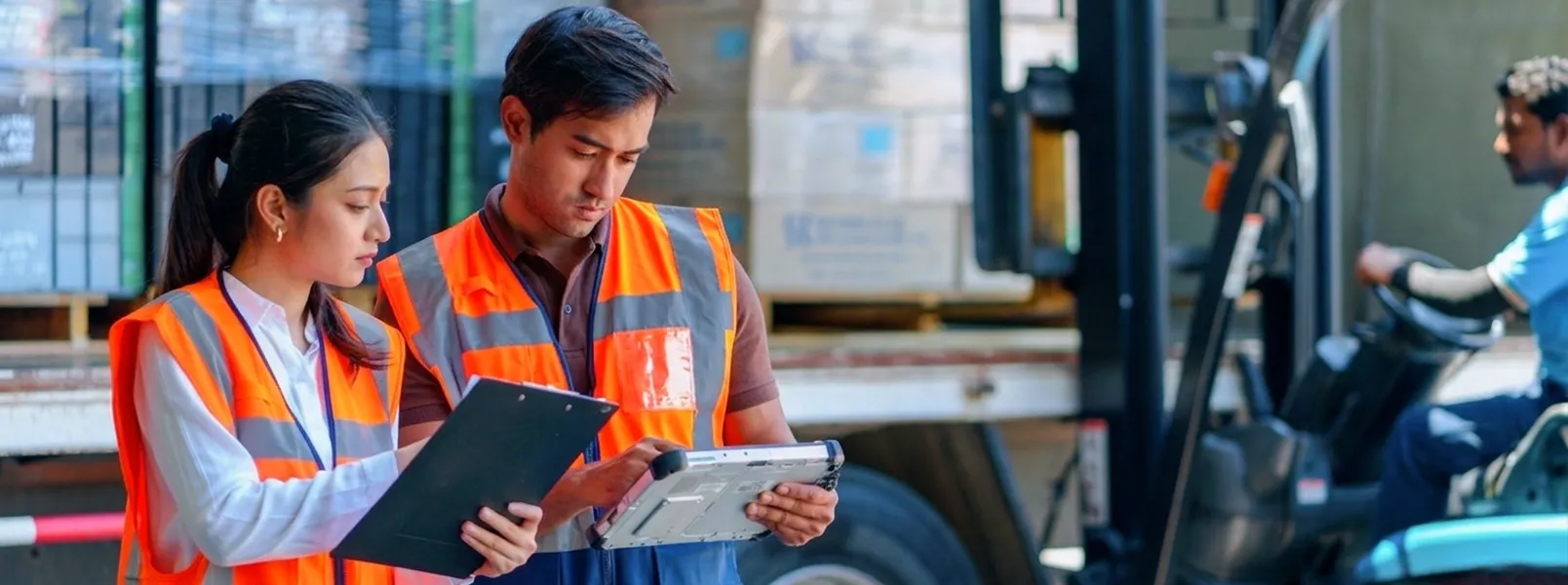
Why Mobility Infotech Logistics Supports Intelligent Routing Solutions
At Mobility Infotech Logistics, routing technology is viewed as more than just operational software.
It is business infrastructure.
Modern logistics companies need systems capable of adapting quickly, reducing waste, improving delivery accuracy, and supporting long-term scalability without operational chaos slowing growth.
That is exactly where intelligent route optimization software creates measurable value.
The goal is not simply faster deliveries.
The goal is healthier margins, stronger customer trust, lower operational stress, and logistics operations capable of growing sustainably in increasingly competitive U.S. markets.
Because every wasted mile costs money.
Every inefficient route affects profitability.
And every delayed delivery shapes customer perception whether businesses realize it or not.
Smarter routing changes the entire equation.
Get in touch with our battle-tested sustainability, technology, and TMS specialists to explore tailored green logistics solutions.

You might also like
 Written by Jane Austen
 Written by Michael S.
 Written by David Williams