
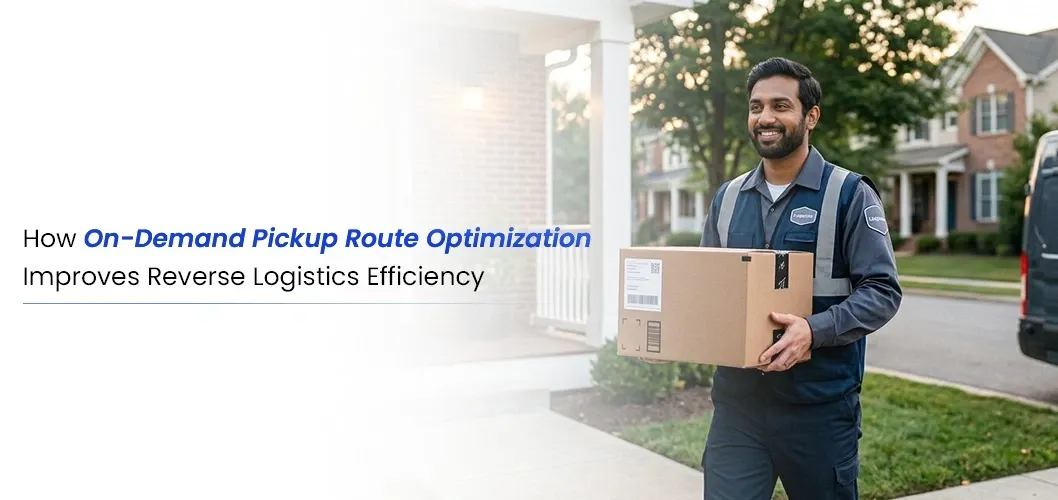
How On-Demand Pickup Route Optimization Improves Reverse Logistics Efficiency

Introduction
Returns are the part of logistics nobody likes talking about. A customer changes their mind, a product arrives damaged, or an order simply does not fit the need anymore. Whatever the reason, someone has to go pick it up, and that pickup has to fit into an already busy delivery schedule. This is where on-demand pickup route optimization quietly becomes one of the most valuable tools a logistics business can have.
Reverse logistics has always been treated like an afterthought. Forward deliveries get all the attention because they generate revenue, while pickups feel like a cost center that just has to be managed. But ignoring how pickups are routed ends up costing far more than most businesses realize.
Why Reverse Logistics Is Harder Than It Looks
Forward deliveries usually follow a predictable pattern. You know the volume, the destinations, and roughly when orders will come in. Reverse logistics does not play by the same rules. Pickup requests come in randomly throughout the day, locations are scattered, and time windows are often tighter because customers want the item collected quickly.
Without a smart system in place, dispatch teams end up sending drivers back and forth across the same neighborhoods multiple times a week, sometimes multiple times a day. That kind of inefficiency adds up fast in fuel, time, and driver frustration.
What On-Demand Pickup Route Optimization Actually Solves
The core idea behind this kind of technology is simple. Instead of treating every pickup request as a separate, isolated task, the system looks at all pending pickups together and figures out the smartest way to combine them into existing delivery routes or dedicated pickup runs.
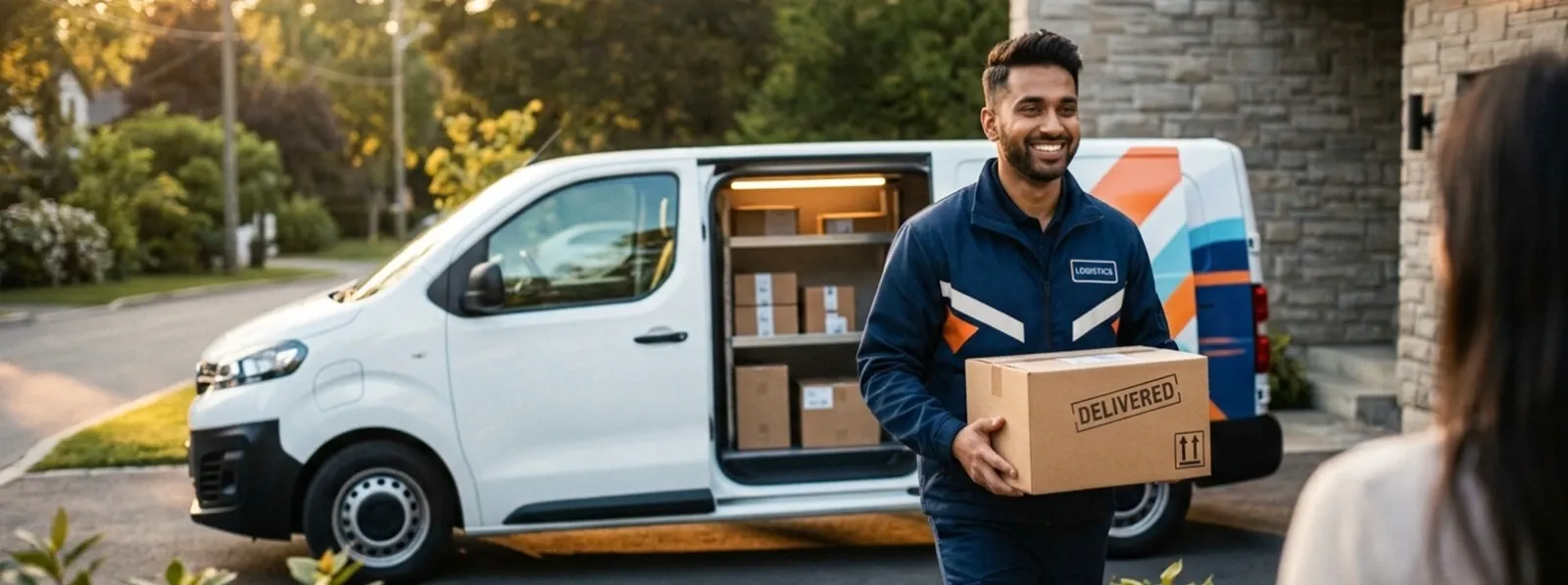
This means a driver who is already heading toward a certain part of the city for deliveries can pick up two or three return items along the way, without adding a significant detour. Route optimization for pickups essentially turns scattered, reactive tasks into a coordinated plan.
- Pickup requests get grouped by location and time window automatically
- Drivers receive updated routes in real time as new requests come in
- Idle time between stops shrinks because the system fills gaps intelligently
- Customers get more accurate pickup windows instead of vague all-day estimates
The Business Case for Smarter Reverse Logistics
It is tempting to think of returns as a small slice of the overall operation, but for many eCommerce and retail businesses, reverse logistics can account for a surprisingly large chunk of total shipping costs. Every inefficient pickup route directly eats into margins that were already thin to begin with.
When multi pickup route planning is done well, businesses see a noticeable drop in the number of vehicles needed to handle the same volume of pickups. Fewer vehicles on the road means lower fuel spend, less wear on the fleet, and a smaller carbon footprint, which is becoming an important factor for many customers and business partners alike.
A Simple Example
Imagine a driver has five delivery stops planned for the afternoon in the same general area. Without route optimization, three separate pickup requests from that same area might get assigned to three different drivers on three different days, simply because there was no system connecting the dots. With smart routing, all three pickups get folded into the existing route, saving fuel, time, and unnecessary vehicle trips.
How Mobility Infotech Logistics Approaches This Challenge
Mobility Infotech Logistics has seen firsthand how businesses struggle when pickups are handled as an afterthought rather than an integrated part of the daily route plan. The difference between a business that treats reverse logistics as a core function versus one that treats it as a nuisance often shows up directly in operating costs by the end of the quarter.
Modern platforms built for this purpose do not just optimize a single route. They constantly recalculate as new pickup requests come in throughout the day, keeping drivers on the most efficient path without requiring dispatchers to manually rework the plan every time something changes.
What Customers Actually Notice
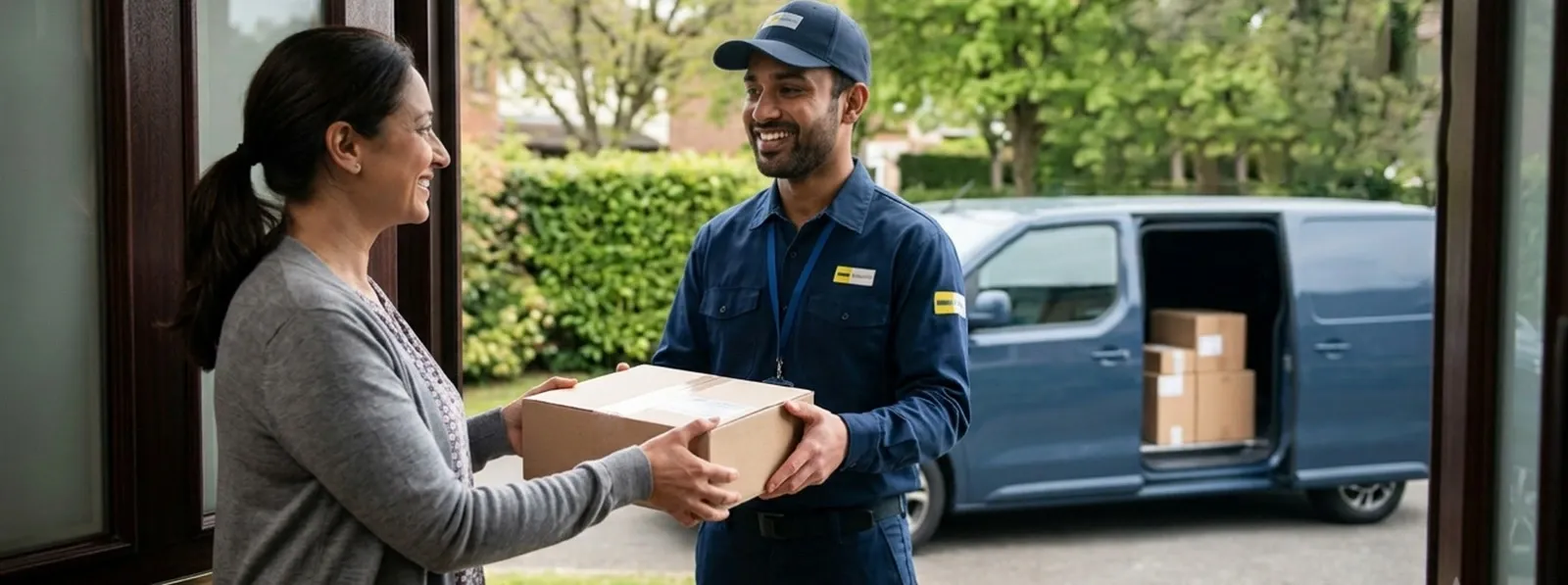
From a customer's point of view, the experience of requesting a pickup should feel effortless. They want a clear window, a reliable driver, and confirmation once the item has been collected. When route optimization is working well behind the scenes, customers rarely think about the complexity involved. They simply notice that the process feels smooth and predictable.
On the flip side, when pickups are poorly coordinated, customers notice that too, usually in the form of missed windows, repeated rescheduling, or drivers showing up without warning. Those small frustrations add up and can quietly damage trust in a brand, especially for businesses that rely heavily on repeat customers.
Operational Benefits That Go Beyond Fuel and Time
While fuel savings and faster completion times are the most obvious wins, there are other benefits that matter just as much over the long run.
- Drivers experience less stress since their day follows a logical flow instead of constant last-minute changes
- Warehouse teams get more predictable inbound flow of returned items, making processing easier
- Data collected from pickup patterns helps businesses spot recurring issues, like a product that generates unusually high return rates
- Customer service teams spend less time fielding complaints about missed or delayed pickups
That last point is often underestimated. A support team that is not constantly putting out fires related to pickup delays has more bandwidth to focus on actually improving the customer experience elsewhere.
Getting Started Without Overhauling Everything
Businesses often assume that adopting smarter pickup routing requires a complete overhaul of their logistics setup. In most cases, that is not true. Many platforms are designed to plug into existing delivery workflows, meaning a company can start optimizing pickups without disrupting the forward delivery side of the business at all.
A good starting point is identifying the areas or time periods where pickup volume is highest and testing optimized routing there first. Once the results become clear, expanding to the full operation becomes a much easier decision to make.
It also helps to involve drivers early in the process. They are the ones who deal with the real-world quirks of a route every day, from a gated society that takes ten extra minutes to enter, to a market area where parking is nearly impossible during certain hours. Feeding that kind of on-ground knowledge back into the system, even informally at first, makes the optimized routes feel more realistic and easier for drivers to trust.
Measuring Whether It Is Actually Working
Once a pickup routing system is in place, it is worth tracking a few simple numbers to confirm it is delivering value. Average distance traveled per pickup, the percentage of pickups completed within the promised window, and the total number of vehicles needed for a given volume of requests are all good indicators. If these numbers trend in the right direction over a few weeks, that is a strong sign the investment is paying off.
Get in touch with our battle-tested sustainability, technology, and TMS specialists to explore tailored green logistics solutions.

You might also like
 Written by Jane Austen
 Written by Michael S.
 Written by David Williams