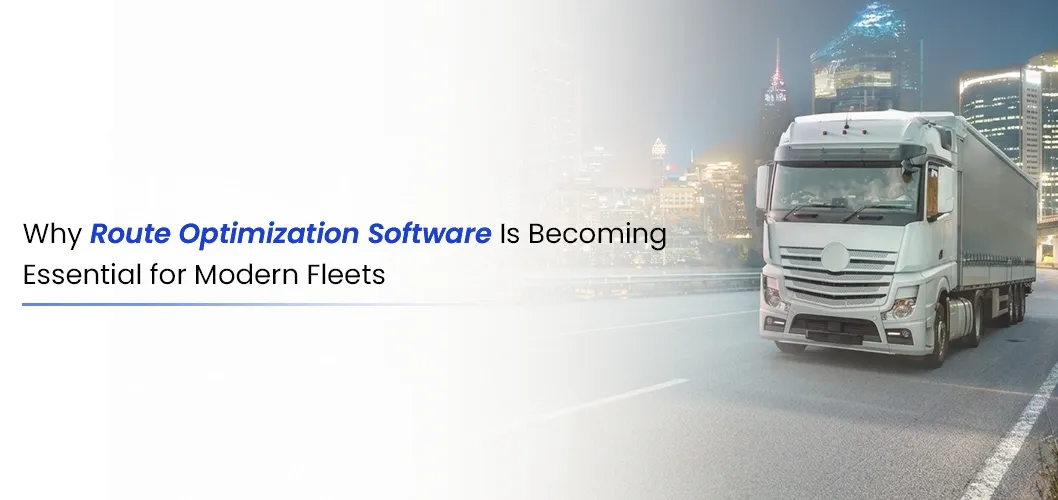
Why Route Optimization Software Is Becoming Essential for Modern Fleets

Introduction
There was a time when dispatching relied on experience, instinct, and a whiteboard full of arrows. That time is fading fast. Modern fleets are moving through a harsher operating climate, one shaped by traffic spikes, razor-thin margins, impatient customers, and service promises that sound simple until ten stops go sideways before noon. In that environment, the route optimization tool is no longer a nice dashboard feature. It is the system that keeps miles profitable, drivers productive, and delivery windows believable. For a brand like Mobility Infotech Logistics, that shift is not a trend piece. It is the new operating reality.
The road is getting more expensive
Let us be blunt. U.S. fleets are not losing money in dramatic, cinematic ways. They are losing it quietly, mile by mile, turn by turn, minute by minute. The American Transportation Research Institute reported that the marginal cost of operating a truck reached $2.270 per mile in 2023, while deadhead mileage averaged 16.3 percent for non-tank operations. At the same time, INRIX found that congestion cost the U.S. more than $74 billion in 2024, with an average burden of $771 per driver, while New York and Chicago drivers lost 102 hours annually in traffic. That is not background noise. That is margin erosion with headlights on.
What route optimization software really does
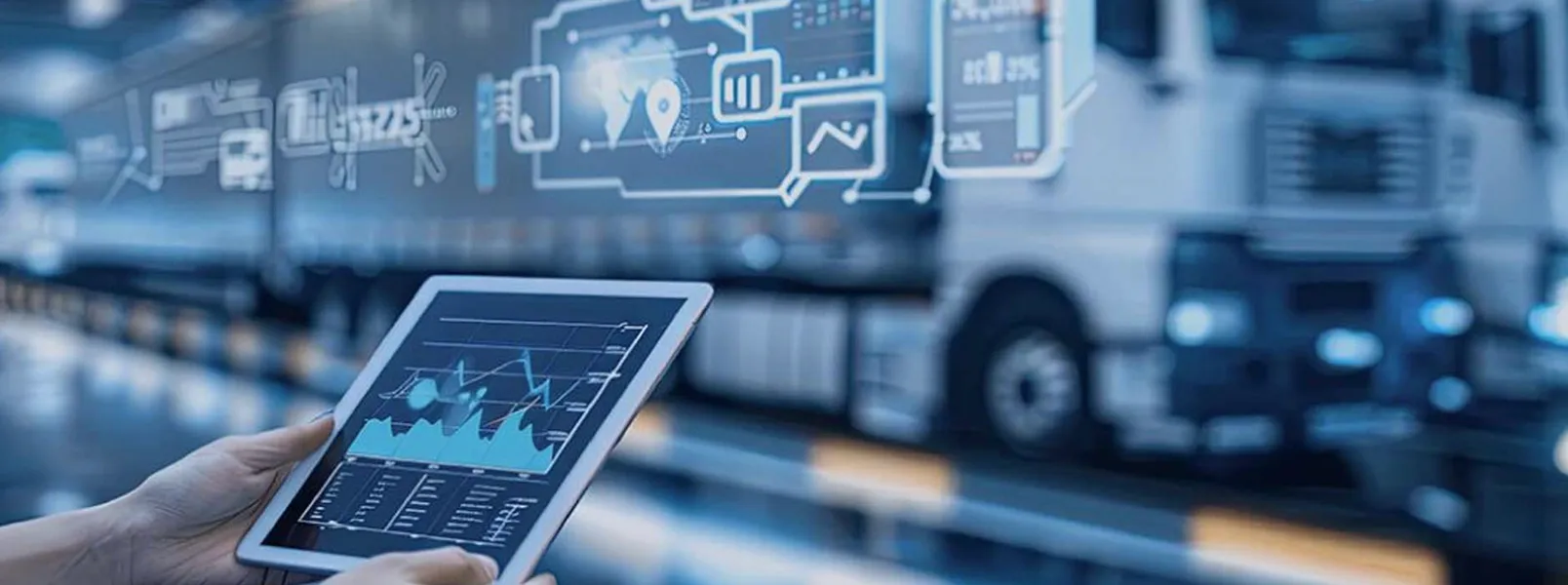
A map tells you where things are. Good software tells you what to do next, in what sequence, with which vehicle, under which constraint, and with what customer impact if something changes at 2:17 p.m. Big difference. The best route optimization tools are built around real operational logic, not pretty pins on a screen. They account for traffic, service windows, vehicle capacity, road restrictions, driver availability, stop priority, proof-of-delivery workflows, and live ETA recalculation. In technical terms, they are solving a moving version of the vehicle routing problem. In plain English, they stop your fleet from improvising its way into wasted fuel and late arrivals.
It turns planning from a static morning task into a live operating system
This matters more than most fleet owners realize. Old planning methods assume the day will behave. It never does. Orders change. Drivers call out. A customer asks for an urgent reschedule. A downtown lane disappears under construction. A thunderstorm wrecks a beautifully planned afternoon. Route planning and optimization software adapts in real time, reshuffling stops without collapsing the rest of the schedule. That flexibility is not just convenient. It protects utilization, keeps dispatch calm, and gives customer service teams something better than apology scripts.
The first ROI usually shows up in fuel
Fuel savings get the headlines because they are easy to picture. Still, the deeper win is operational discipline. The U.S. Department of Energy notes that a heavy-duty truck can consume about 0.8 gallons of fuel per hour while idling, and a long-haul truck may idle roughly 1,800 hours a year, burning around 1,500 gallons of diesel. Suddenly, inefficient sequencing does not look harmless anymore. It looks expensive. Smart fleet route optimization cuts unnecessary dwell time, backtracking, and avoidable idle exposure before those losses stack into something ugly on the monthly P&L.
Every unnecessary mile drags several cost lines behind it
Here is the part many teams underplay. One bad route not only raises fuel spend. It also inflates driver time, maintenance wear, overtime risk, asset utilization problems, and service inconsistency. ATRI’s 2024 update shows driver wages at $0.779 per mile, truck and trailer payments at $0.360, and repair and maintenance at $0.202. So when route optimization tools trim miles, they are not trimming one expense. They are touching several. That compounding effect is why software-led routing often beats gut-feel dispatch even when the distance savings appear modest at first glance.
Better routes also sharpen the customer experience
Customers do not care how difficult dispatch was. They care whether the promised delivery window was real. The World Economic Forum, working with McKinsey, highlighted the pressure created by rising e-commerce demand, faster delivery expectations, and heavier urban congestion. Their report also notes that advanced analytics, load-pooling, and dynamic rerouting can materially improve cost and congestion outcomes. That tells us something important: route software is not only an internal efficiency tool. It is also a customer trust engine, because reliable ETAs and fewer failed deliveries create loyalty that cannot be bought with discounts forever.
Why this shift feels urgent now
Because the environment is not about to get simpler. Urban delivery density is rising. Labor remains tight. Delivery windows are shrinking. And the cost of operational sloppiness keeps climbing. The World Economic Forum found that integrated last-mile interventions could reduce delivery costs by 25 percent, congestion by 30 percent, and CO2 emissions by 30 percent by 2030 compared with a do-nothing baseline. That is a huge signal. Fleets do not need to wait for futuristic infrastructure to start improving. Software is usually the fastest lever available right now, because it helps companies use existing vehicles, routes, and labor more intelligently.
What technically mature fleets are demanding
The conversation has moved beyond simple route sequencing. Serious operators want a routing engine that can absorb telematics data, enforce business rules, support dynamic dispatch, and integrate with TMS, ERP, WMS, proof-of-delivery tools, and driver apps without turning implementation into a six-month headache. They also want scenario planning. What happens if one depot shifts volume? What if the same-day window expands? What if a premium customer gets priority? That is where modern route optimization tools separate themselves. They do not just automate today’s mess. They help redesign tomorrow’s network.
A practical routing study out of Sydney offers a useful proof point here. The optimized route in that case reduced travel distance by 8 km per day, cut emissions by 5.5 kg of CO2 per day for the route studied, and reduced fuel consumption by 193 liters over four weeks per truck. Different market, yes. Same operating logic. Better route design creates measurable savings. Quietly. Repeatedly. At scale.
Why this matters for Mobility Infotech Logistics
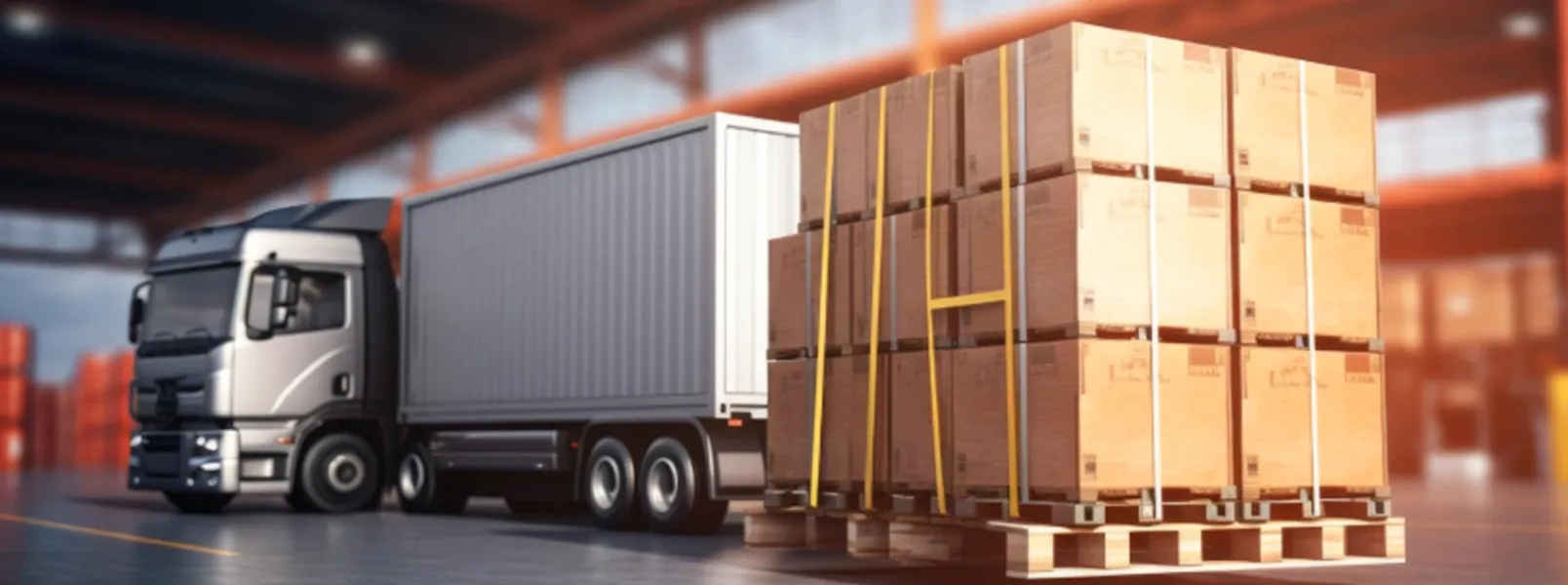
For Mobility Infotech Logistics, the opportunity is bigger than helping fleets move faster. It is about helping them operate smarter under American market conditions that reward precision and punish waste. A fleet with intelligent routing can take more control over service levels, trim avoidable costs, improve driver productivity, and build a more resilient last-mile or middle-mile model without waiting for a complete operational overhaul. That is powerful. And honestly, it feels overdue.
In a market where every mile has become a financial decision, route optimization software by Mobility Infotech Logistics is not optional technology. It is an operating infrastructure.
- content
- Introduction
- The road is getting more expensive
- The first ROI usually shows up in fuel
- Why this shift feels urgent now
- Why this matters for Mobility Infotech L...
Get in touch with our battle-tested sustainability, technology, and TMS specialists to explore tailored green logistics solutions.

You might also like
 Written by Jane Austen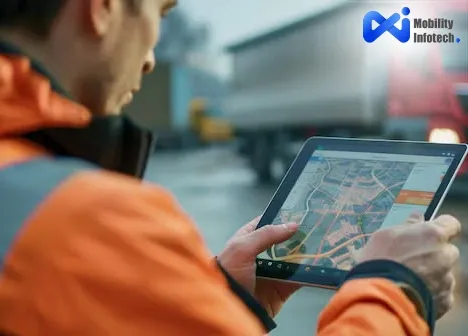
 Written by Michael S.
 Written by David Williams