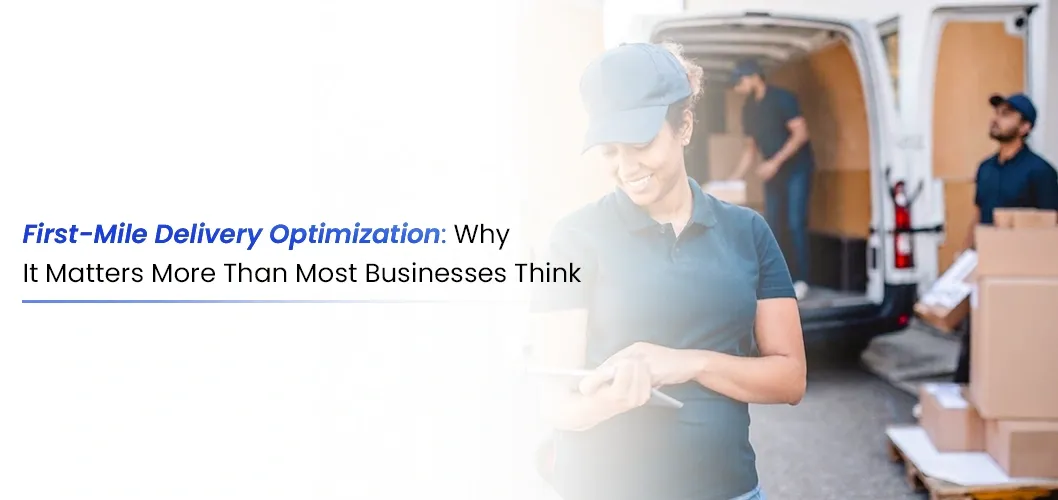
First-Mile Delivery Optimization: Why It Matters More Than Most Businesses Think

Introduction
Picture a Tuesday morning at a distribution hub somewhere off I-80. Three trucks are idling. One driver is waiting on a supplier dock that opened late. Another is circling a warehouse looking for the right loading bay. The third left twenty minutes ago on a route that doubles back on itself for no good reason. Nobody at corporate is panicking, because this looks normal. And that is exactly the problem.
For years, American logistics teams have poured attention into the last mile. It is the visible part, the doorstep moment, the thing customers complain about. Meanwhile the first mile, the leg that moves goods from suppliers and warehouses into the network, has been treated as routine plumbing. That assumption is quietly expensive. The route optimization for first mile delivery sets the tempo for everything that follows, and when it stumbles, the whole chain inherits the delay.
The First Mile Decides What the Rest of the Chain Can Do
Logistics leaders are starting to say this out loud. A 2026 global trade survey found that 72% of trade professionals now point to U.S. tariff volatility as the single most disruptive force reshaping their supply chains, and almost all of that disruption lands first at the origin. Nearshoring has fragmented sourcing, so a company that once managed one supplier now coordinates three. Every added lane means more pickups, more border touches, more handoffs, and more chances for the first mile to go sideways before a package ever reaches a sorting facility.
There is a structural reason this matters so much. Defects that happen at the very start of the chain have the broadest reach. A late pickup, a mislabeled pallet, or a poorly sequenced collection route does not stay contained. It cascades into hub congestion, missed linehaul departures, and last-mile promises that were broken before the truck even left the dock. Fixing a problem at the doorstep is firefighting. Fixing it at the first mile is prevention, and prevention is almost always cheaper.
Labor makes the case sharper. In 2025, 76% of employers across transport and logistics reported real difficulty filling roles, and the U.S. is staring at a shortage of more than two million logistics workers. When you cannot simply add bodies to absorb inefficiency, every wasted hour of driver time and every empty mile becomes a margin problem you cannot staff your way out of.
Why Route Optimization for First Mile Delivery Changes the Math
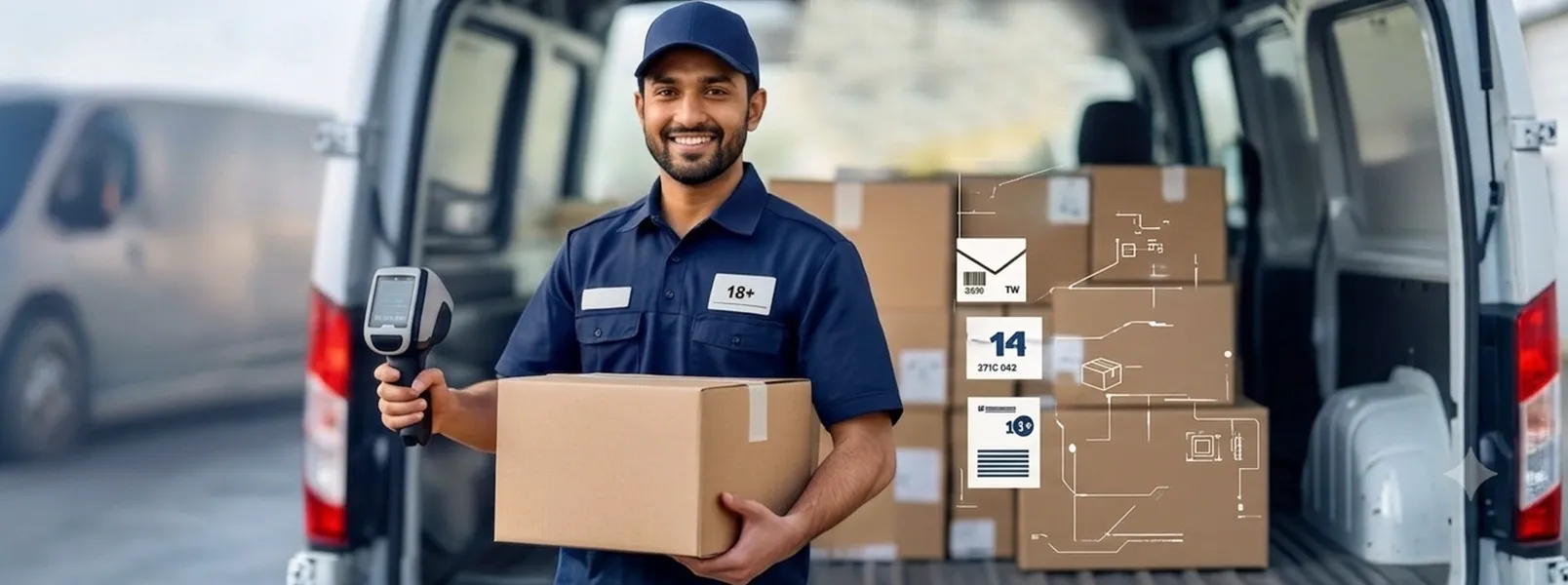
This is where route optimization for first mile delivery stops being a nice-to-have and becomes a lever on profitability. The first mile is full of variables that punish manual planning: supplier appointment windows, dock availability, vehicle capacity, fluctuating volumes, and traffic that never sits still. A dispatcher with a spreadsheet and good instincts can manage a handful of pickups. They cannot optimize across hundreds of constraints at once, every single day, without something breaking.
Software can. Modern platforms generate the most efficient collection sequences across hundreds of stops and dozens of vehicles using real-time data and constraint modeling. The payoff is not abstract. Across logistics, McKinsey found that 65% of companies have already implemented AI-driven solutions, and early adopters report efficiency gains of up to 30%. Workforce optimization tied to forecasted volume has cut overtime by 15 to 20% for operators who align staffing to demand instead of guessing. Those are the numbers that turn a cost center into a competitive edge.
The market sees it too. Within first-mile logistics software, route planning and optimization already accounts for roughly 34.8% of revenue, the largest single segment, and most of it now runs in the cloud. For a B2B operator, that signals where peers are putting their money, and where the laggards will feel the squeeze.
First Mile Logistics Route Planning, Done Properly
Good first mile logistics route planning is less about the single best route and more about a system that adapts. The supplier who slips an hour, the order that doubles overnight, the truck that breaks down at 6 a.m.: a static plan shatters on contact with reality. A dynamic planning engine re-sequences on the fly, rebalances loads, and keeps the downstream promise intact.
The quiet win here is consolidation. When pickups are planned intelligently, trucks run fuller and lanes are used more completely. That means fewer trips, lower fuel spend, and tighter lead times feeding the middle and last mile. One Mobility Infotech Logistics client cut supplier-pickup lead times by 20% simply by streamlining how those first-mile runs were planned and dispatched. None of that requires more trucks. It requires smarter use of the ones already on the road.
Smart Pickup and the Warehouse Connection
Two pieces complete the picture. The first is smart pickup route optimization, which is what happens when the routing engine stops treating every stop as equal. It weighs time windows, priority freight, vehicle type, and live conditions to decide not just where to go, but in what order and with which asset. The result is a pickup plan that respects the messy reality of supplier networks instead of fighting it.
The second is the warehouse itself. A great route into the building is wasted if the building is a bottleneck. A warehouse pickup route optimization system sequences staging, loading, and dock assignments so trucks are not stuck waiting and goods are not stuck on shelves. Tie the yard and the road together and you remove the seams where time and money usually leak. This is the difference between optimizing a route and optimizing an operation.
The Bottom Line
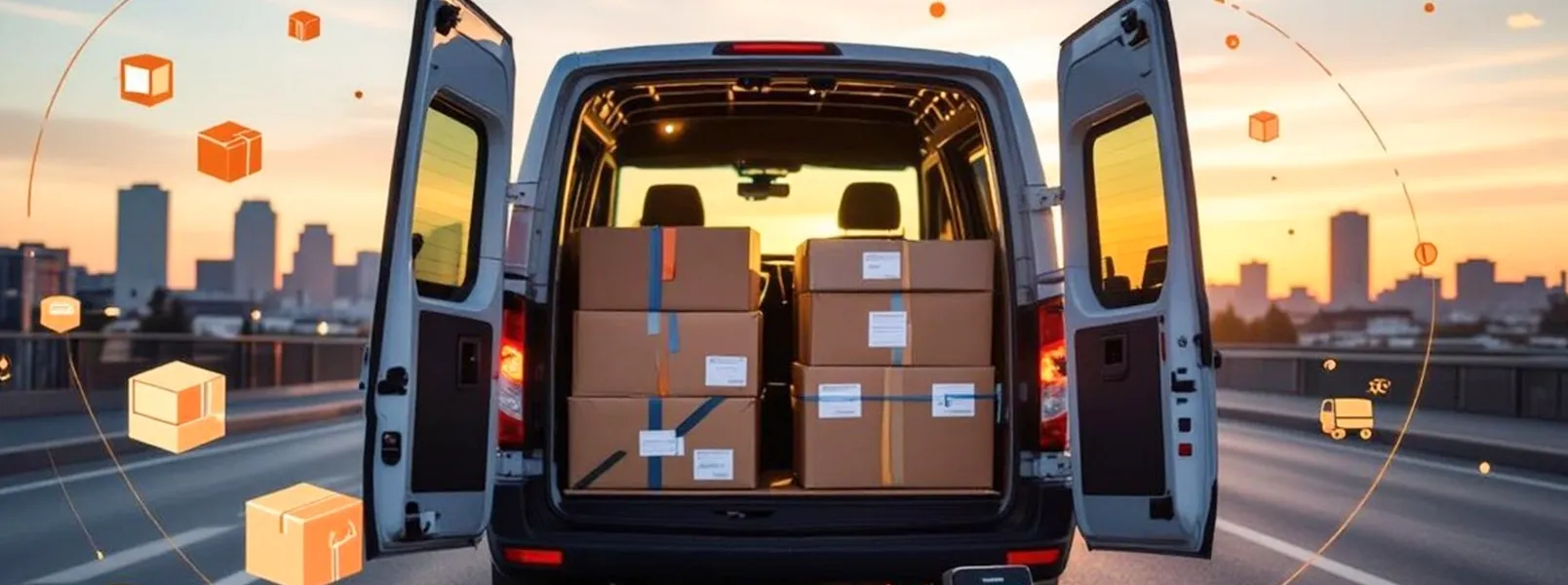
For American businesses, the case is straightforward. The same-day delivery market alone is projected to climb from $9.25 billion to more than $13 billion, and the customers driving that demand do not care which mile failed them. They only see the delay. Getting the first mile right is the cheapest insurance you can buy against the most expensive failures.
The companies pulling ahead are the ones that stopped treating the first mile as background noise and started managing it as a strategic, data-rich layer of the network. That is precisely what Mobility Infotech Logistics is built to do, turning origin operations from a source of hidden cost into a source of measurable advantage. Route optimization for first mile delivery is not the boring part of your supply chain. It is the part that decides how good the rest of it gets to be.
- content
- Introduction
- The First Mile Decides What the Rest of ...
- Why Route Optimization for First Mile De...
- First Mile Logistics Route Planning, Don...
- The Bottom Line
Get in touch with our battle-tested sustainability, technology, and TMS specialists to explore tailored green logistics solutions.

You might also like
 Written by Jane Austen
 Written by Michael S.
 Written by David Williams