
The Role of Digital Twins in Modern Transportation and Logistics Management

Introduction
Some logistics problems do not look dramatic until they start draining money by the minute. A late truck here. An overloaded dock there. A warehouse team is waiting on inventory that is technically “in transit” but practically invisible. In the U.S., where business logistics costs recently came in at $2.4 trillion, trucking moved 72.7% of the nation’s freight by weight in 2024, and e-commerce reached 16.9% of total retail sales in Q1 2026. Guesswork is no longer a harmless habit. It is expensive. That is exactly why digital twins are becoming such a big deal in transportation and smart transport logistics system. (CSCMP, American Trucking Associations, U.S. Census Bureau)
Why traditional visibility is starting to fail modern logistics
Visibility used to be enough. A dashboard, a map, a set of alerts, maybe a weekly operations review. That felt advanced a few years ago. Now? Not really. Modern logistics runs on constant motion, fragmented partners, shifting customer demand, labor pressure, fuel volatility, and route disruptions that can snowball before a planner even finishes a coffee. When the market is this fast, static visibility only tells you what went wrong. It rarely tells you what is about to break next. (CSCMP, Penske Logistics)
That is where digital twins change the conversation. IBM defines a digital twin as a virtual representation of a physical object or system that uses real-time data to reflect real-world behavior, performance, and conditions. MIT adds an important nuance: a true digital twin is not just a simulator or a 3D model. It is a live decision layer, powered by sensors, cloud systems, analytics, AI, and visualization, all stitched together to help humans make better calls or let systems make some of those calls automatically.

What a digital twin actually does inside a smart transport logistics system
Think of a digital twin as the brain behind a smart transport logistics system. It mirrors what is happening across vehicles, depots, warehouses, routes, inventory, and even labor capacity, then tests scenarios before your real operation pays the price for a bad decision. DHL describes digital twins as virtual models that accurately mirror real-time conditions and behaviors, creating value through visualization, diagnosis, prediction, simulation, and optimization without someone physically touching the real asset first.
The technical side matters here. A functioning twin needs the physical asset, the virtual model, data sources such as IoT sensors and telematics, a data pipeline, feedback loops, an analytics engine, and dashboards people can actually use. Put simply, it is not magic. It is architecture. Good architecture. And once it is connected to a TMS, WMS, fleet telematics stack, and customer demand signals, the twin can start recommending better routes, better dock allocation, tighter inventory positioning, and smarter exceptions handling across the network.
The real leap happens when the mirror starts thinking ahead
Here is the part that gets exciting. A digital twin is not valuable because it copies reality. A spreadsheet can copy reality. The real payoff comes when the twin becomes predictive and prescriptive. McKinsey notes that when paired with predictive AI, digital twins can help create a self-monitoring, self-healing supply chain, one that responds dynamically instead of waiting for managers to manually patch every issue. That shift is huge for a modern logistics automation platform, because it turns operational data into a decision engine rather than a reporting archive.
Where digital twins create measurable value for U.S. logistics operators
This is not theory wrapped in futuristic language. McKinsey points to real supply chain outcomes from digital twin deployments, including up to a 20% improvement in fulfilling consumer promise, a 10% reduction in labor costs, and a 5% revenue uplift in one scenario. In another case, digital twin use improved regional distribution center utilization by 10% and reduced fulfillment costs by 5%. Those are not vanity metrics. Those are boardroom metrics.
For U.S. freight networks, the stakes are even higher because the operating canvas is so large. Trucking alone moved 11.27 billion tons of freight in 2024 and generated $906 billion in gross freight revenues, while trucks carried 67% of the value of surface trade with Canada and 85% with Mexico. So when a carrier, shipper, or 3PL improves routing logic, maintenance timing, trailer utilization, or handoff visibility, the ripple effect is massive. This is exactly where mobility solutions for logistics stop being a nice add-on and start becoming strategic infrastructure.
Fleets, yards, and warehouses work better when they stop behaving like separate worlds
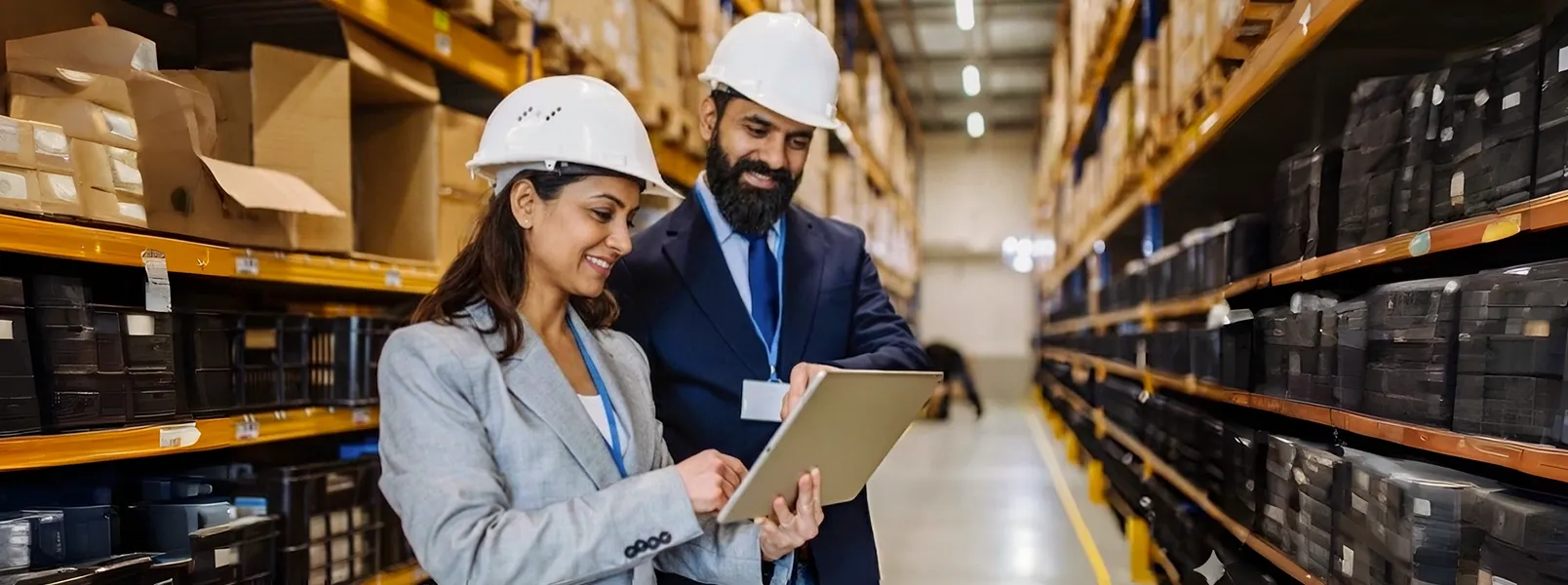
A lot of logistics inefficiency lives in the handoff. The truck arrives before the dock is free. The dock is ready before labor is assigned. Inventory is somewhere in the network, but not where demand is spiking. A digital twin can connect those dots in one operational picture. DHL highlights predictive maintenance as a clear use case, noting that digital twins can help logistics providers save about 40% of reactive maintenance in a given year. That matters because downtime never arrives politely. It shows up in missed windows, service penalties, broken schedules, and stressed teams.
This is why the best logistics leaders are starting to think beyond isolated apps. They want a connected operating model. They want dispatch, yard management, warehouse orchestration, asset health, and customer visibility to speak the same language. A well-built logistics automation platform does exactly that, especially when digital twin capabilities are layered into daily planning. The result feels less like software and more like operational reflex. Fast. Coordinated. Hard to rattle.
The next logistics advantage will belong to companies that can rehearse reality
The old model was simple: react fast and hope your team can keep up. The new model is sharper. Simulate first. Detect sooner. Adjust before disruption becomes visible to the customer. CSCMP’s latest State of Logistics findings say AI is now moving from experimentation into measurable commercial return, while companies are accelerating automation and digital investment under ongoing disruption. That is the backdrop. The window is open, but it will not stay wide forever.
So yes, digital twins are technical. They should be. Logistics is technical. But the business case is very human: fewer surprises, calmer operations, smarter resource use, better customer trust, and more confidence when the network gets messy. That is the future Mobility Infotech Logistics can help shape, not someday, but now.
Why this shift matters right now for Mobility Infotech Logistics
At Mobility Infotech Logistics, the opportunity is bigger than trend-chasing. American shippers are dealing with tighter margins, labor pressure, denser customer expectations, and a retail environment where online demand keeps climbing. If Q1 2026 U.S. e-commerce sales reached $326.7 billion, then every delayed dispatch, every blind transfer, and every underused vehicle matters more than it used to. People want speed, yes. They also want certainty. Quietly, relentlessly, they expect both.
That makes digital twins a natural next step for a smart transport logistics system built for the U.S. market. Not because the phrase sounds cutting-edge, but because the operating model makes sense. Start with live fleet data. Pull in warehouse events. Map order flows. Add exception alerts. Feed in maintenance signals. Then let the system simulate, recommend, and optimize. No drama. Just better decisions made earlier. For brands investing in mobility solutions for logistics, that is where resilience starts to feel practical, commercial, and very real.
Get in touch with our battle-tested sustainability, technology, and TMS specialists to explore tailored green logistics solutions.

You might also like
 Written by Jane Austen
 Written by Michael S.
 Written by David Williams