
Intelligent Planning & Optimized Scheduling
Leverage automated planning powered by intelligent algorithms to create efficient routes, streamline scheduling, and maximize delivery performance.
see plans & pricing
Plan efficiently, execute flawlessly
Transform your logistics planning with AI-powered automation that designs the most efficient delivery routes in real time. Evaluate key factors such as traffic patterns, delivery time windows, order priorities, and vehicle capacity to generate optimized plans instantly. Eliminate manual planning bottlenecks, reduce errors, and accelerate dispatch operations. Improve fleet utilization, lower transportation costs, and ensure on-time deliveries at scale. With intelligent planning capabilities, adapt quickly to operational changes, enhance productivity, and maintain consistent, high-performance logistics execution.

Automatically generate optimized routes to reduce planning time and improve operational efficiency.

Balance workloads and schedules based on constraints like delivery windows, fleet capacity, and order priority.

Adapt instantly to disruptions with dynamic re-planning to maintain delivery timelines and operational continuity.
600+ leading brands Trusts Us
Explore more features
Discover additional features designed to enhance logistics operations, improve efficiency, optimize routes, and deliver better performance across your entire supply chain.



for Your Business
Explore flexible pricing plans designed to fit your logistics needs & support scalable, efficient business growth.
see plans & pricingIntelligent Planning Capabilities
Streamline logistics planning with AI-driven capabilities that optimize routes, balance workloads, and adapt to real-time changes for faster and more efficient deliveries.

Automatically generate optimal delivery routes using advanced algorithms that evaluate distance, traffic conditions, delivery windows, and operational costs. This helps reduce travel time, lower fuel consumption, and improve delivery speed across operations.

Plan deliveries by incorporating real-world constraints such as vehicle capacity, driver availability, delivery time windows, and order priority. This ensures feasible schedules and balanced workloads across the fleet.

Continuously adjust routes in response to real-time disruptions like traffic congestion, delays, cancellations, or new orders. Routes are recalculated automatically to maintain delivery timelines and service levels.

Optimize the sequence of multiple delivery stops to reduce total travel distance and improve delivery timelines. This ensures faster execution and better resource utilization.

Maximize fleet utilization by assigning shipments based on vehicle capacity and load constraints. This reduces underutilization and improves cost efficiency.

Automatically assign optimized routes and schedules to drivers and vehicles. This reduces manual effort and speeds up dispatch operations while improving accuracy.
Success Stories That Deliver Results
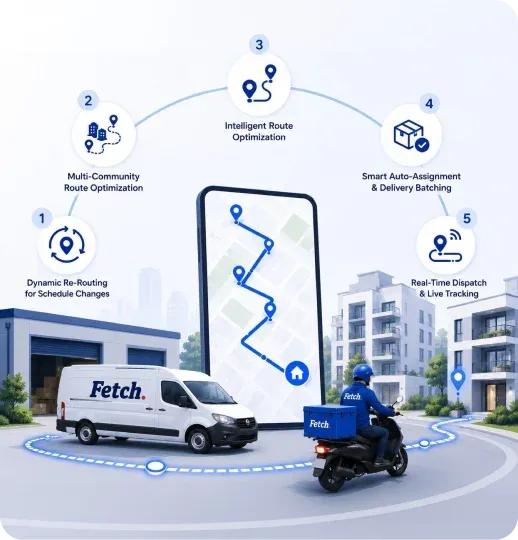

When managing large-scale doorstep delivery across many communities and resident schedules, inefficient routing and limited visibility created major challenges. With Mobility Infotech Logistics' intelligent route optimization and live tracking, we gained real-time control over our entire delivery network, significantly improving on-time performance, coordination, and operational efficiency across all communities while ensuring more reliable, consistent service at scale.

Director of Logistics
Have a Question?
We’ve Probably Got the Answer
Automated planning uses intelligent software to create optimized delivery routes and schedules without manual effort. It analyzes factors like traffic, delivery timelines, and capacity constraints to improve efficiency, reduce planning time, and ensure faster, more reliable logistics operations.
Route optimization evaluates multiple variables such as distance, traffic conditions, delivery windows, and vehicle capacity. It processes these inputs to generate the most efficient routes, helping reduce travel time, fuel consumption, and delays while improving overall delivery performance and operational productivity.
Yes, automated planning systems support real-time adjustments by dynamically recalculating routes when disruptions occur. These include traffic delays, order changes, or vehicle issues, ensuring deliveries stay on schedule while minimizing operational impact and maintaining service reliability.
Automated planning improves efficiency by reducing manual effort, optimizing routes, and lowering operational costs. It enhances fleet utilization, ensures timely deliveries, minimizes errors, and enables better decision-making through data-driven insights, resulting in consistent and scalable logistics performance.
Yes, automated planning is highly effective for last-mile delivery operations. It manages multiple stops, tight delivery windows, and frequent changes efficiently, helping businesses improve route accuracy, reduce delays, and deliver a better customer experience with reliable and timely updates.