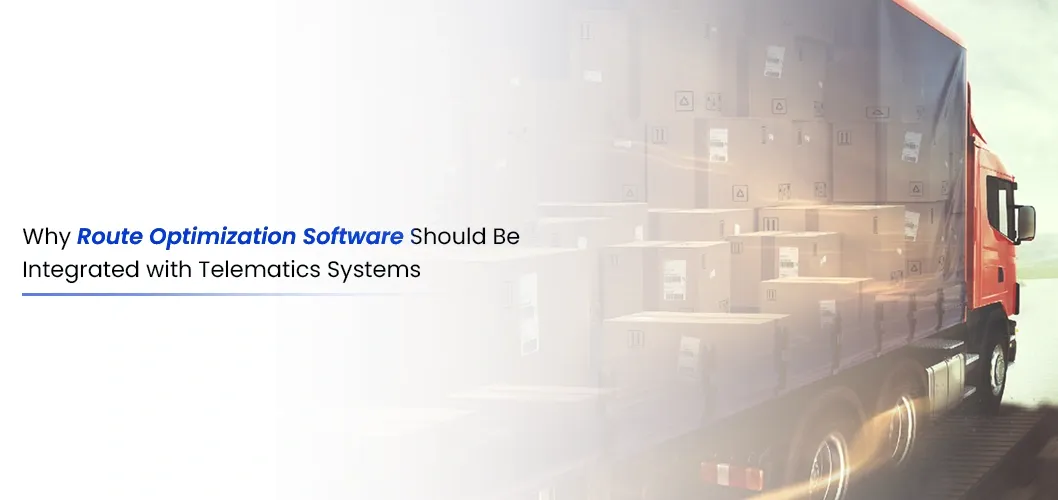
Why Route Optimization Software Should Be Integrated with Telematics Systems

Introduction
Quick question. Do you know what your trucks are actually doing right now? Not where you think they are. Where they really are. How fast they are going, how much fuel they are burning, whether the driver took that shortcut again.
If the answer is no, you are flying blind. And in 2026, flying blind is expensive. This is exactly why route optimization software and telematics belong together. Let us grab a coffee and talk about why.
First, What Is Telematics Anyway?
Telematics is just a fancy word for the tech that pulls live data from vehicles. GPS location, speed, fuel level, engine health, harsh braking, idle time. All of it, streamed in real time.
On its own, telematics tells you what is happening. Routing software tells you what should happen. Put them together and the real magic starts. Your logistics route optimization software stops guessing and starts using actual ground data. It is the difference between a plan that looks good on paper and one that survives the real road.
A Quick Picture From the Indian Road
Let me paint a scene. A delivery truck leaves a Gurugram hub at 7 am with a neat route. By 9 am, there is a jam near a metro construction site. By 11, the AC compressor starts acting up. By noon, the driver is behind schedule and improvising.
Now, if your routing and telematics are separate, nobody at the office knows any of this until it is too late. But when they talk to each other, the system sees the jam, sees the engine warning, and reshuffles the plan before the day falls apart. That is the whole point.
The Problem With Keeping Them Separate
Most companies run these two systems in different corners. The routing team plans on one screen. The fleet team watches vehicles on another. Nobody talks.
So when a truck breaks down or hits heavy traffic, the route does not update. The plan is already outdated. That gap costs time and money every single day. Smart fleet route optimization logistics closes that gap by feeding live vehicle data straight into the planning engine.
And honestly, this silo problem is more common than people admit. Many businesses buy great tools, then let them sit in separate boxes. The tools are fine. The setup is the issue.
What Holds Companies Back
If integration is so useful, why does everyone not do it already? A few reasons keep popping up:
- Fear that connecting systems will be a long, painful IT project
- Worry about the cost before seeing the returns
- Old software that does not play nicely with new tools
- A team that is just used to doing things the manual way
Most of these fears are outdated now. Modern platforms use low-code integrations, so the setup is far simpler than it used to be. The bigger risk today is doing nothing while your competitors move ahead.
What You Gain From Integration
When these systems work as one, the benefits stack up fast. Here is what changes:
- Routes that adjust live based on real traffic and vehicle status
- Lower fuel costs from less idling and shorter trips
- Faster response when a vehicle breaks down or runs late
- Better driver safety through harsh-braking and speed alerts
- Cleaner data for billing, audits, and performance reviews
- Smarter maintenance planning before a small fault becomes a big one
Good transportation route optimization software uses every bit of this data to make smarter calls. It is the difference between reacting to problems and preventing them.
Real-Time Decisions, Not Yesterday's Plan
This is the part people underrate. A static plan made at 6 am is useless by noon. Roads change. Orders change. Weather changes.
With real-time delivery route optimization, your system reads live telematics and reshuffles routes on the fly. A blocked road? It reroutes instantly. A vehicle low on fuel? It plans a stop. A sudden urgent order? It slots it into the nearest trip. This is how modern fleets stay ahead instead of constantly playing catch-up.
The Hidden Gold Is in the Data
Here is something a lot of managers miss. The real long-term win is not just today's route. It is the data you collect over months.
Every trip tells a story. Which lanes always jam. Which drivers run efficient. Which routes burn extra fuel. When your route optimization software and telematics work together, all of this gets recorded in one place. Over time, you spot patterns and fix them. You stop guessing and start deciding with proof. That is how good fleets slowly become great ones.
It Pays for Itself
Let us be practical. Integration is not just a nice-to-have. It saves real money.
Less fuel waste. Fewer breakdowns. Lower insurance premiums thanks to safer driving. Better vehicle lifespan from proper maintenance alerts. When route optimization software and telematics talk to each other, the savings show up on your books within months, not years.
How to Get Started Without the Headache
You do not need to flip your whole operation overnight. Start small and build up. A simple path looks like this:
- Pick one route or one zone as a pilot
- Connect your telematics feed to the routing system
- Watch the numbers for a few weeks
- Compare fuel, time, and on-time rates against the old way
- Once the results show, roll it out wider
This step-by-step approach keeps things calm. Your team adapts slowly, and you prove the value before scaling.
How Mobility Infotech Logistics Brings It Together
Mobility Infotech Logistics builds an AI-powered TMS that connects routing and live vehicle data in one platform. Its logistics route optimization software uses real-time inputs to cut delays, lower fuel costs, and improve fleet safety. With low-code integrations, it plugs into your existing systems without a painful setup. You get predictive ETAs, D and D prevention alerts, and a single dashboard to watch the whole network. For Indian fleets dealing with messy roads and tight margins, that kind of unified control is a real game-changer.
- content
- Introduction
- First, What Is Telematics Anyway?
- The Problem With Keeping Them Separate
- Real-Time Decisions, Not Yesterday's Pla...
- How to Get Started Without the Headache
Get in touch with our battle-tested sustainability, technology, and TMS specialists to explore tailored green logistics solutions.

You might also like
 Written by Jane Austen
 Written by Michael S.
 Written by David Williams