
Why AI Route Optimization Delivers Faster, Smarter, and More Sustainable Logistics

Introduction
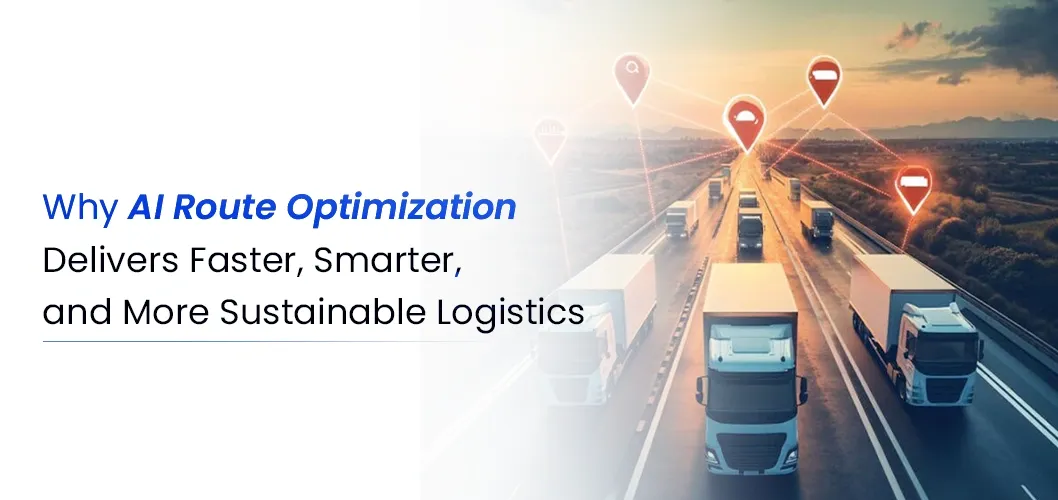
Somewhere between a warehouse full of orders and a customer's front door, hundreds of small decisions have to be made every single day. Which driver takes which stop. What order to visit them in. How to handle a sudden traffic jam or a last-minute address change. For years, these decisions were made by humans doing their best with limited information. Now, AI-based route optimization is quietly rewriting how those decisions get made, and the results are hard to ignore.
The Problem With Traditional Route Planning
Traditional route planning treats each day like a fresh puzzle, solved mostly through experience and educated guesswork. A planner looks at the list of deliveries, thinks about the roads they know well, and builds a route that feels reasonable. The issue is that "feels reasonable" is not the same as "is actually the fastest and most efficient option available."
Traffic patterns shift by the hour. Road closures pop up without warning. A delivery that looked easy on paper can turn into a thirty-minute detour because of construction that started that same morning. Human planners simply cannot process this much changing information fast enough to build a truly optimal route every single day.
What Makes AI Route Optimization Different
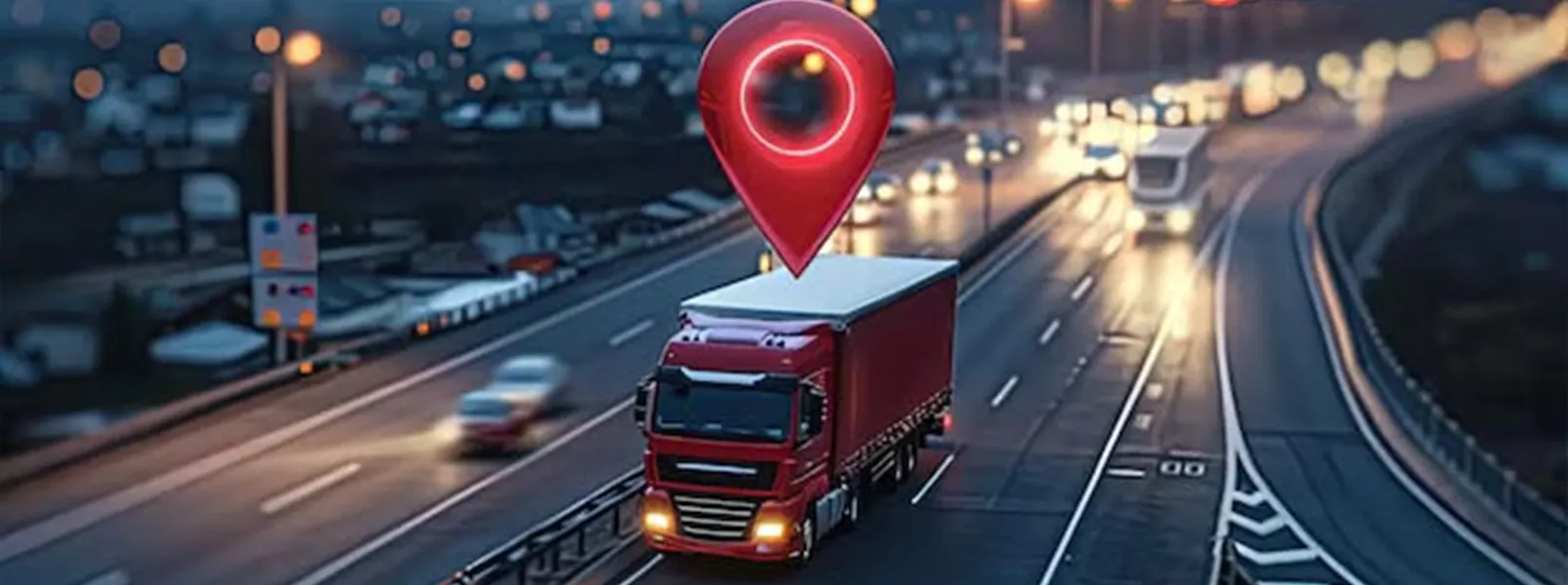
Unlike static route planning, real-time route optimization constantly pulls in fresh data, traffic conditions, weather, road closures, and vehicle status, and recalculates the best path accordingly. This is not a one-time calculation done at the start of the day. It is an ongoing process that adjusts as conditions change throughout a driver's shift.
The technology works by analyzing thousands of possible route combinations almost instantly, something that would take a human planner an impossible amount of time to work through manually. The result is a route that reflects actual, current conditions rather than yesterday's traffic patterns or a planner's best guess.
Faster Deliveries Without Cutting Corners
One common misconception is that faster delivery times come at the cost of driver safety or vehicle wear. In reality, delivery route optimization achieves speed by eliminating waste, not by pushing drivers to rush. Shorter, smarter routes naturally lead to faster completion times because there is simply less unnecessary distance to cover.
Smarter Decision Making Across the Entire Operation
AI route optimization does more than just plan individual routes. It creates a feedback loop of data that helps businesses make smarter decisions across the board. Which delivery zones consistently take longer than expected? Which times of day see the most disruptions? This kind of visibility used to require months of manual tracking. Now it is available almost instantly, built directly into the optimization process.
This data becomes especially valuable when planning for growth. A company expanding into a new area can use historical route data from similar zones to set realistic expectations before a single delivery has even been made there.
The Sustainability Angle Nobody Talks About Enough
Environmental impact is becoming an increasingly important consideration for logistics companies, not just because of regulations but because customers and business partners are paying closer attention to it. Every unnecessary kilometer driven means extra fuel burned and extra emissions released into the air.
AI-based route optimization directly reduces this impact by cutting out inefficient driving patterns. Shorter routes mean lower fuel consumption, which translates into a smaller carbon footprint across the entire fleet. For businesses trying to meet sustainability targets or simply reduce their environmental impact, this is one of the most practical steps available, since it does not require buying new vehicles or overhauling operations. It simply means driving smarter with the fleet already in place.
How Mobility Infotech Logistics Sees This Shift Playing Out
Mobility Infotech Logistics has watched this technology move from a nice-to-have feature to something close to a baseline expectation for competitive logistics operations. The companies that adopted AI-driven routing early are now operating with a meaningful efficiency advantage over those still relying on manual methods.
This is not about replacing the human element of logistics entirely. Dispatchers and drivers still play a critical role, especially when it comes to handling exceptions or unusual situations that the software might not fully account for. The technology simply removes the repetitive, calculation-heavy part of the job so people can focus on the decisions that genuinely need human judgment.
Common Concerns About Adopting AI Route Optimization
It is natural for businesses to have questions before adopting new technology, especially something that touches such a core part of daily operations. A few concerns come up often, and most have straightforward answers.
- Will it require expensive new hardware? In most cases, no. Many systems work through existing driver smartphones and standard GPS tracking
- Will drivers resist the change? Initial hesitation is common, but most drivers appreciate clearer, more reliable routes once they experience the difference
- Is the technology reliable in areas with poor connectivity? Modern systems are built to handle intermittent connectivity, syncing updates once signal returns
These concerns are worth taking seriously, but they should not be a reason to avoid exploring the technology altogether, especially given how much value it tends to deliver once implemented properly.
Looking Ahead
The gap between businesses using AI-driven routing and those relying purely on manual planning is only going to widen over time. As traffic patterns become more complex and customer expectations around delivery speed continue rising, the advantage of having a system that adapts in real time becomes even more valuable.
Businesses that start exploring this technology now are positioning themselves well for a future where efficient, sustainable delivery is not just a competitive advantage but an expected standard.
Get in touch with our battle-tested sustainability, technology, and TMS specialists to explore tailored green logistics solutions.

You might also like
 Written by Jane Austen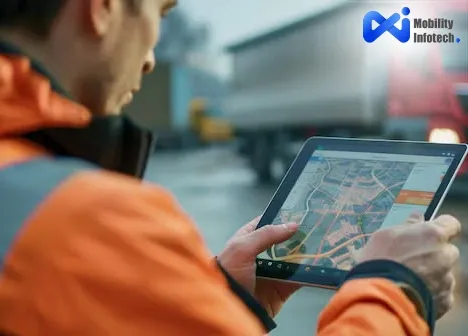
 Written by Michael S.
 Written by David Williams