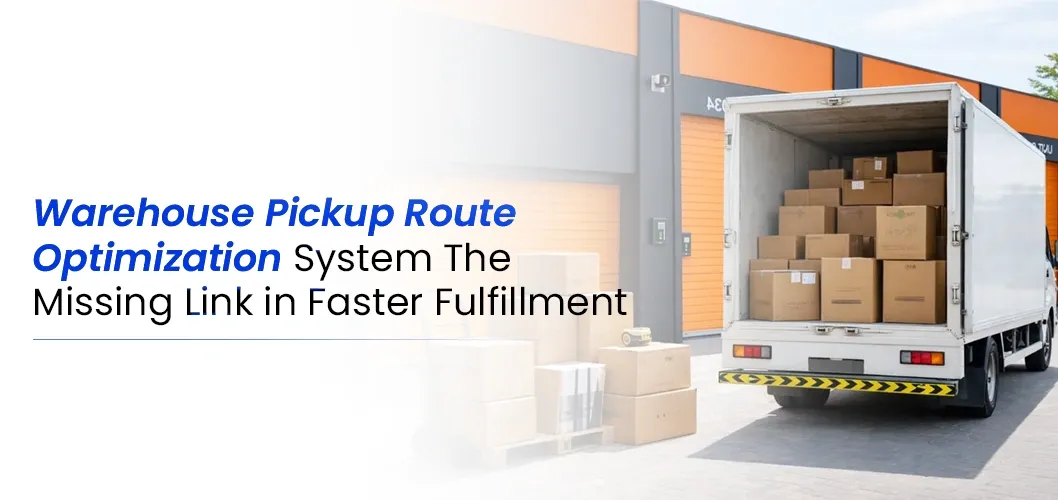
Warehouse Pickup Route Optimization System: The Missing Link in Faster Fulfilment

Introduction
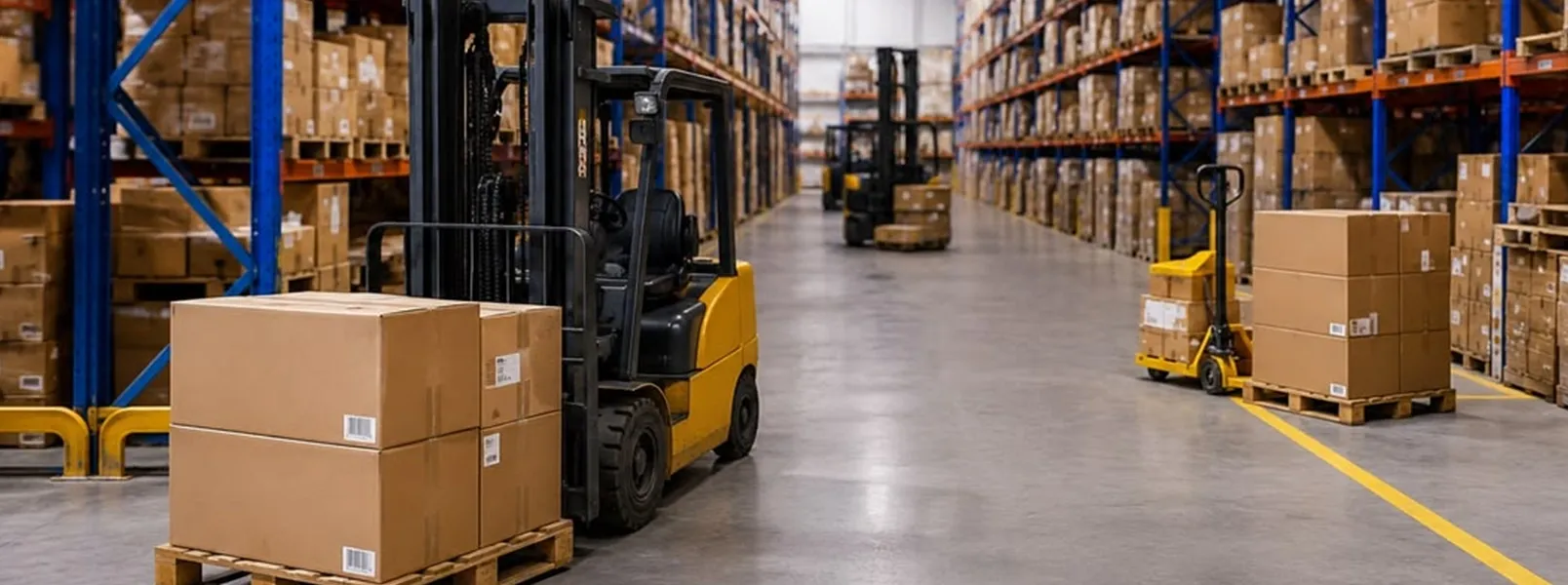
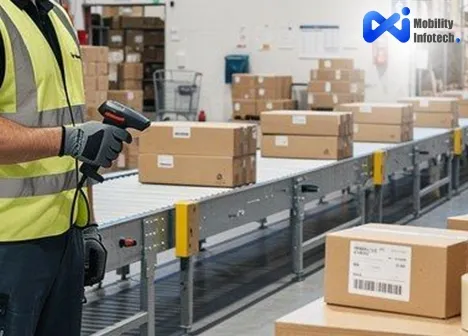
Here's a scenario that plays out in warehouses across the UK and Germany every single day. An order comes in, the picker grabs it off the shelf, it sits on a dock for two hours waiting for the right van, and by the time it's finally loaded, you've already lost the buffer you needed to hit your delivery window. Nobody planned it this way. It just sort of happens when pickup routing is left to guesswork and whiteboards.
That's the gap most people don't talk about when they discuss fulfilment speed. Everyone obsesses over last mile delivery, and rightly so, but the warehouse pickup stage is where a lot of the delay actually gets baked in. A reliable Delivery management system can help teams gain better visibility into incoming pickups, their sequence, and dispatch requirements. If your dispatch team can't see which pickups are coming, in what order, and from where, you're building inefficiency into the plan before the van even leaves the yard.
Why Pickup Routing Gets Overlooked
Most logistics teams pour their energy into outbound delivery routing. It makes sense, that's the part customers see. But pickups, whether it's collecting returns, sourcing stock from multiple depots, or coordinating supplier drop-offs, follow the same rules as any other route. Poor sequencing wastes fuel, wastes driver hours, and creates the kind of scheduling chaos that snowballs into missed delivery windows later in the day.
A proper warehouse pickup route optimization system treats pickups with the same rigor as deliveries. It looks at time windows, dock capacity, vehicle availability, and driver shifts, then builds a sequence that actually makes sense instead of whatever order the requests happened to arrive in.
Where a Delivery Management System Fits In
This is where a proper Delivery management system earns its keep. Rather than pickups and deliveries living in two separate spreadsheets that nobody cross checks, a unified system pulls both into one operational view. Dispatchers can see exactly which vehicle is closest to a pending pickup, whether it has capacity left, and whether inserting that stop will blow the next delivery's time window.
We've noticed that businesses that treat pickup and delivery as one connected flow, instead of two disconnected departments, tend to run tighter operations overall. Fewer empty miles, fewer idle dock hours, and dispatchers who aren't constantly firefighting.
The Role of the Best Shipment Tracking Software
None of this works without visibility. If you're running the best shipment tracking software available, every pickup and every parcel status updates in near real time, which means your planning engine is always working off current information rather than yesterday's guesswork. That matters more than people realise. A route plan built on stale data is really just a hopeful suggestion, not an actual operating plan.
Good tracking software also closes the loop with customers. When a warehouse pickup gets delayed by twenty minutes because a supplier ran late, the system should be able to flag that instantly and recalculate the knock on effect for the rest of the day's schedule, rather than leaving your team to discover the problem three stops later.
Lastmile Parcel Tracking Starts Earlier Than You Think
Lastmile parcel tracking usually gets framed as a delivery-stage concern, something that kicks in once the van leaves the depot. In practice, the accuracy of that tracking depends heavily on how clean the pickup stage was. If a parcel's status wasn't updated properly when it left the warehouse, every downstream tracking event inherits that error. Getting pickup routing right isn't just an efficiency play, it's also a data integrity play.
What UK and Germany Operators Are Dealing With
Europe's logistics networks are under real pressure right now. Last-mile delivery already eats up close to half of total shipping costs in many European markets, and low-emission zone rules in cities across Germany and the UK are forcing operators to plan routes more carefully than ever, not just for speed but for compliance too. Add rising fuel and labour costs into the mix (over 90 percent of European logistics leaders cite these as their top pressure points) and it becomes obvious why pickup routing can't stay an afterthought.
The UK route optimization software market alone is expected to keep growing at a double digit pace through the next several years, and Germany is tipped to be one of the fastest growing markets in Europe for this kind of technology. That growth isn't happening in a vacuum. It's a direct response to operators realising that manual planning simply can't keep pace with delivery expectations anymore.
How Mobility Infotech Logistics Approaches This
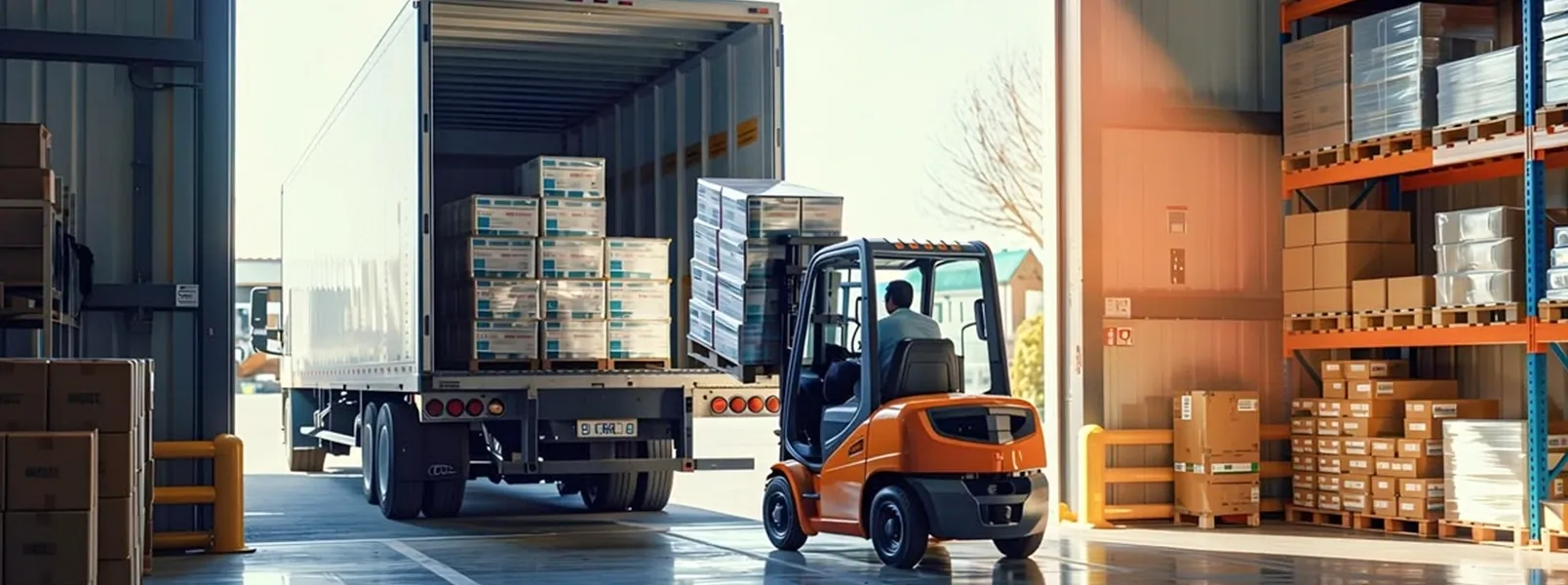
At Mobility Infotech Logistics, we built our route optimization platform to handle pickups and deliveries as one connected problem rather than two separate ones. The system factors in dock schedules, vehicle capacity, driver hours, and live traffic conditions across the UK and Germany, so warehouse teams get pickup sequences that actually reduce dwell time instead of just shuffling the problem downstream.
It plugs into your existing TMS and WMS setup too, so you're not ripping out systems you already rely on. Instead, you're adding a layer of intelligence that tells your team what order to do things in, and why, based on real conditions rather than habit.
Getting Started Without Overhauling Everything
You don't need to redesign your entire warehouse operation overnight. Start by mapping where pickup delays are actually happening, whether that's supplier collections, returns processing, or inter-depot transfers, and layer route optimization onto that specific pain point first. Most teams see the time savings within the first few weeks, which tends to make the case for wider rollout on its own.
The businesses that get ahead here aren't necessarily the biggest ones. They're the ones willing to treat pickup routing as seriously as delivery routing, because honestly, that's where a lot of the hidden cost has been sitting all along.
Get in touch with our battle-tested sustainability, technology, and TMS specialists to explore tailored green logistics solutions.

You might also like
 Written by Jane Austen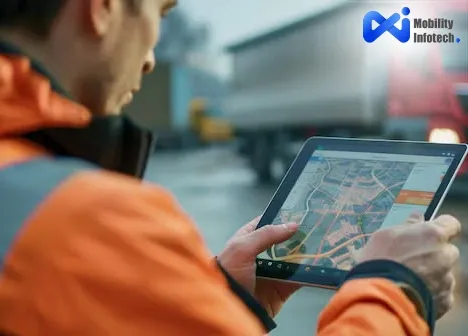
 Written by Michael S.
 Written by David Williams