
Telematics for Fleet Management: Benefits, Use Cases, and Business Impact

Introduction
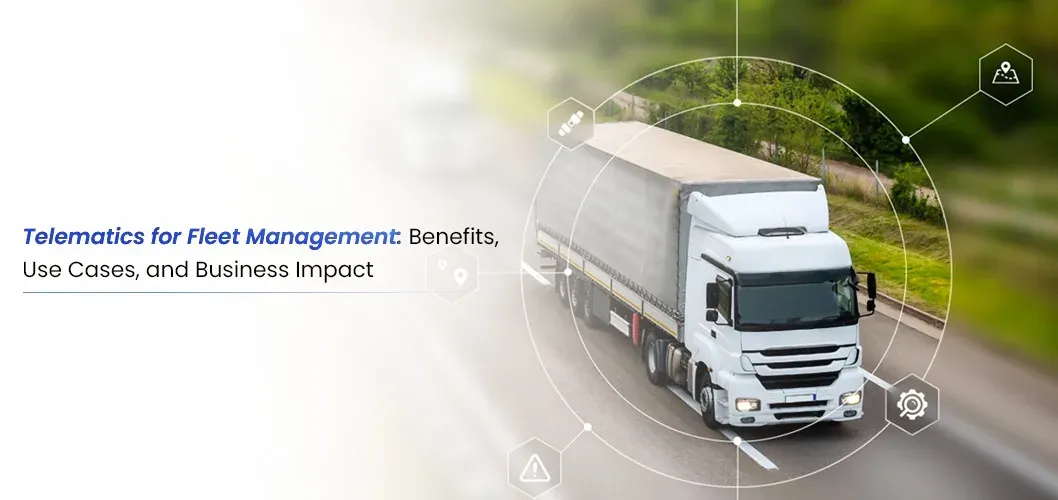
Managing a fleet of trucks is a tough job. Managers have to track drivers, watch fuel costs, and ensure on-time deliveries. How do successful transport managers handle all these challenges without losing their minds? They use a smart technology called telematics. This system combines telecommunications and computer science to send live vehicle data straight to the office.
Understanding Telematics in Modern Shipping
Telematics devices plug directly into a vehicle. They read engine data, track location via GPS, and record speed. This data helps companies see exactly what happens on the road. Many business owners ask themselves if investing in new digital tools is really worth the price. The answer is clear when you look at the results. For instance, Mobility Infotech Logistics helps businesses integrate these systems seamlessly. Using a dedicated route optimization software for logistics companies allows managers to plan perfect delivery paths. It removes the stress of manual planning and gives clear visibility.
Core Benefits of Fleet Telematics
Using data to guide your fleet brings massive advantages. Here are the top benefits that companies experience today:
- Lower Fuel Expenses: Telematics tracks bad habits like long idling and speeding. According to a data report by Gitnux.org, telematics systems reduce fuel consumption by 10% to 15% on average.
- Fewer Road Accidents: Live monitoring alerts drivers when they brake too hard. The Gitnux.org industry report states that accident rates drop by 20% to 30% after installing telematics tools.
- Better Machine Health: Vehicles send automatic alerts about engine faults before a breakdown happens. This predictive method lowers fleet maintenance costs by 25% for most transport companies.
- Faster Customer Support: Giving clients accurate delivery times becomes very easy with live tracking. This transparency builds deep trust and keeps your customers happy for a long time.
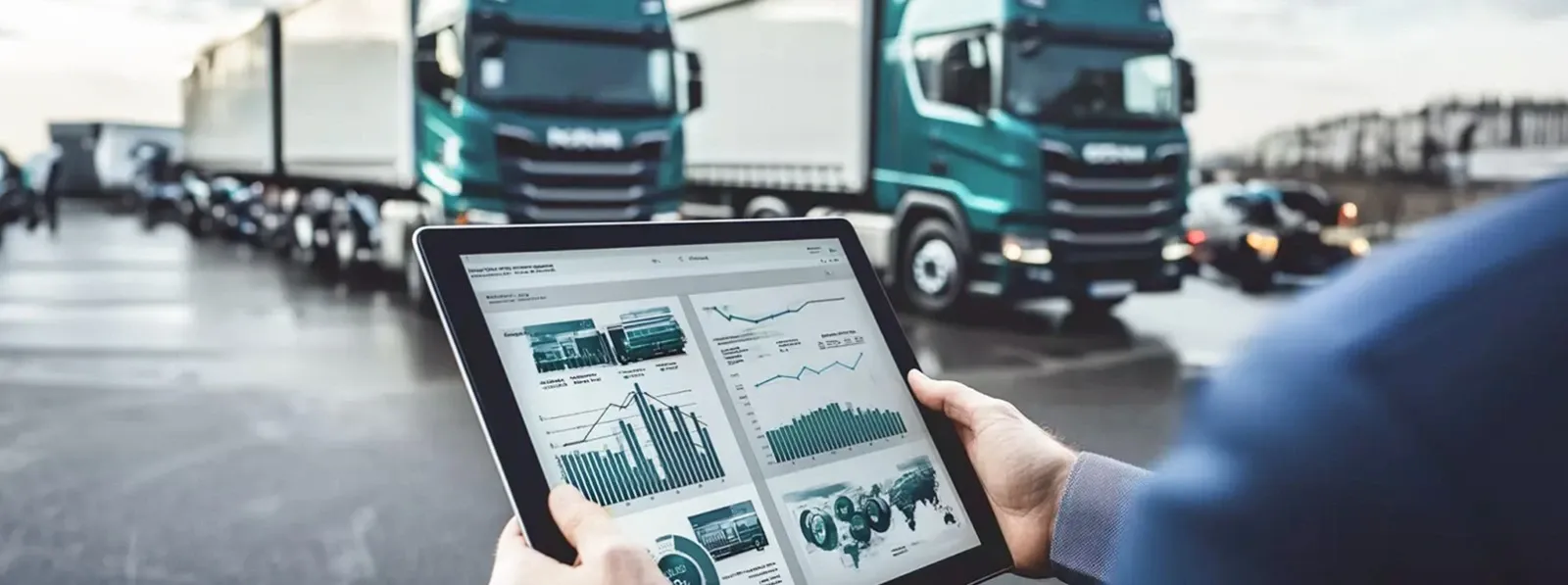
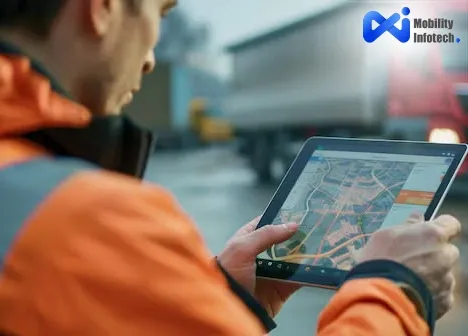
To get these benefits, a firm must focus on fleet route optimization logistics. Combining location data with smart scheduling changes everything. It ensures that trucks do not drive empty miles. Managers can see every detail on a single dashboard. This is why a modern route optimization software for logistics companies is so valuable for daily operations.
Practical Use Cases of Telematics Technology
How do companies use this data in real life? Telematics is not just for tracking dots on a map. It solves real everyday problems. Here are the most common ways businesses apply this technology:
- Live Route Adjustments: Dispatchers change driver paths instantly if a traffic jam occurs. This smart logistics route optimization software helps drivers avoid delays and save valuable delivery time.
- Driver Performance Reviews: Managers use weekly scorecards to reward safe drivers. This practice eliminates harsh braking and fast acceleration, which protects both the cargo and the vehicle.
- Strict Compliance Management: Electronic logging devices automatically record hours of service for regulatory safety. This system removes heavy paperwork and protects the company from expensive legal fines.
- Temperature Cargo Tracking: Sensors monitor refrigerated trucks to protect sensitive goods like food or medicine. The system alerts the office if the temperature changes by even one degree.
Implementing these features requires a robust platform. Many operators choose specialized route optimization software for logistics companies to handle their mixed fleets. This type of tool connects vehicle diagnostics with map data. It allows managers to make fast choices based on facts rather than guesses.
Business Impact and Financial Returns
The financial impact of telematics goes straight to the bottom line. It helps companies save money and grow faster. Is the initial setup cost worth it for small fleets? Research shows that the investment pays off very quickly. According to the Gitnux.org report, companies see an average 3:1 return on investment within the first 12 months. This happens because the system cuts labor waste and fuel abuse.
Dr. Jean-Paul Rodrigue, a well-known transport researcher from Hofstra University (hofstra.edu), noted that efficiency in logistics depends entirely on reliable data flows. He stated that proper routing reduces total travel distance by 10% to 30%. This shows how vital fleet route optimization transportation has become for global commerce.
When you use the right route optimization software for logistics companies, you eliminate guesswork. Businesses can plan more deliveries with fewer trucks. This level of efficiency is exactly what Mobility Infotech Logistics provides to its global partners. It transforms fleet operations from a major expense into a true competitive edge.
Choosing the Right Telematics Partner
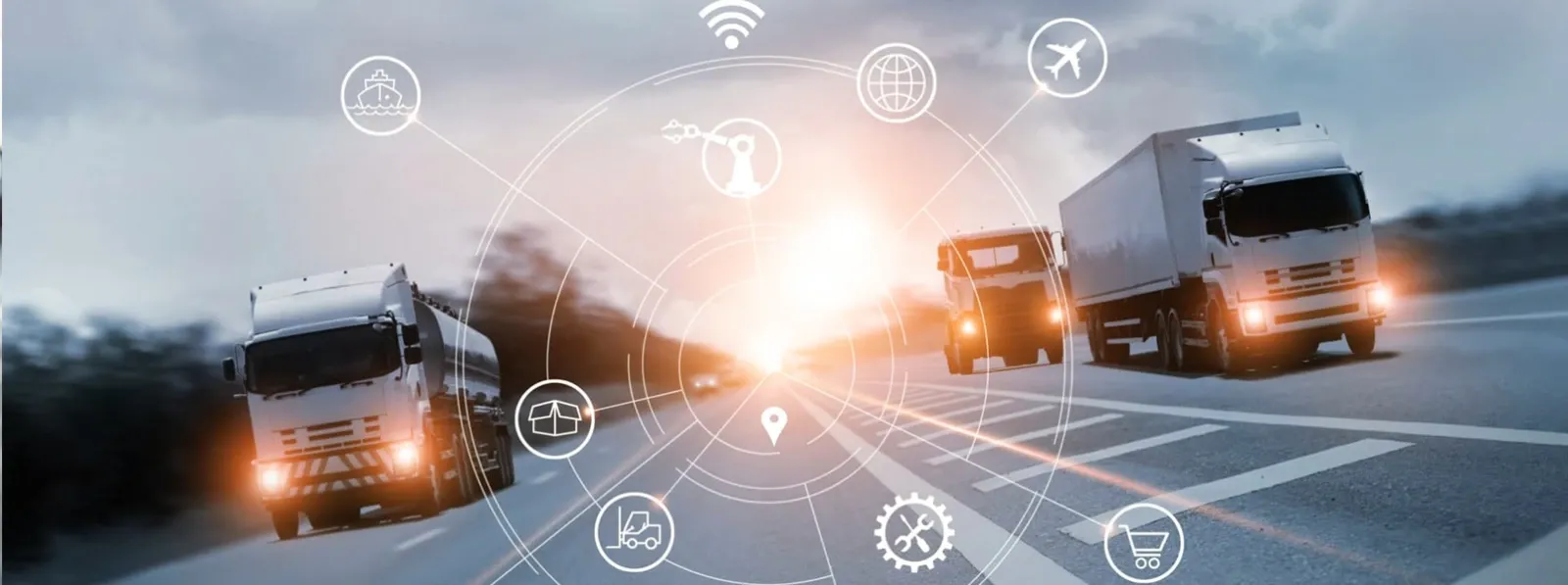
Selecting a system can feel overwhelming because there are many options. Companies must find a tool that scales as their business grows. A good system should offer real-time tracking, simple dashboards, and strong customer support. This is where Mobility Infotech Logistics excels by offering tailored solutions for every type of fleet. Their platform integrates easily with existing tools to ensure a smooth transition.
Key Factors to Consider
- Hardware Device Compatibility: The tracking tools must connect perfectly with your specific vehicle models. This prevents data gaps and ensures that engine diagnostics flow smoothly to your system.
- Easy Dashboard Navigation: Software should be simple enough for any dispatcher to use without weeks of training. Clear visuals help teams spot operational delays and take quick action.
- Live Customer Assistance: Choose a technology provider that offers round-the-clock technical support for your team. Rapid assistance keeps your trucks moving on the road without costly downtime.
- content
- Introduction
- Core Benefits of Fleet Telematics
- Practical Use Cases of Telematics Techno...
- Business Impact and Financial Returns
- Choosing the Right Telematics Partner
Get in touch with our battle-tested sustainability, technology, and TMS specialists to explore tailored green logistics solutions.

You might also like
 Written by Jane Austen
 Written by Michael S.
 Written by David Williams