
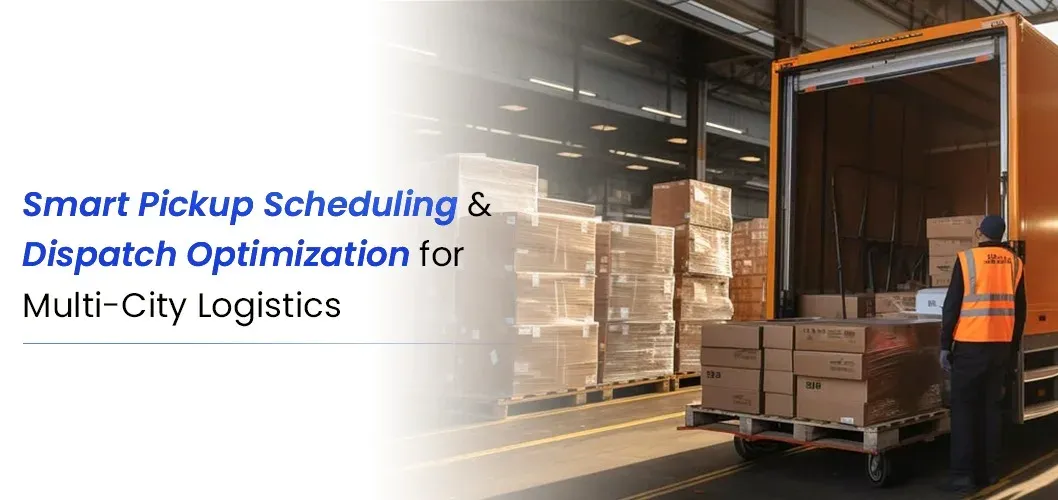
Smart Pickup Scheduling & Dispatch Optimization for Multi-City Logistics

Introduction
Managing logistics across many cities is hard work. Goods must move fast from one point to another every day. Customers expect quick pickups and clean deliveries. However, manual planning leads to late drivers, high fuel costs, and missed timelines. When business grows across state lines, simple spreadsheets fail. Modern businesses need better digital tools, including pickup and dispatch optimization, to manage fleet operations smoothly.
Why Traditional Schedules Fail in Growing Cities
Why do traditional static schedules fail in fast-growing multi-city supply chains? The answer lies in traffic, sudden delays, and manual errors. Fixed timetables cannot adapt when a highway gets blocked. Logistics teams struggle to track vehicles once they leave the depot.
- Traditional planning methods rely on fixed morning routes that ignore real-time road conditions, traffic jams, and weather changes. This causes major delays for every stop.
- Dispatchers waste hours calling drivers on the phone to give update details, which leads to confusion, bad communication, and unnecessary fuel burning across fleet stops.
- Paper receipts and manual logbooks make tracking impossible for regional managers, creating blind spots across warehouses located in different cities during daily operational hours.
- Poor route coordination increases vehicle wear and tear over time, leading to frequent breakdown issues, high repair bills, and unhappy business clients nationwide.
What Makes Smart Dispatching Necessary Today
How do logistics managers handle sudden pickup requests across multiple cities without blowing the budget? They turn to automated digital platforms. Smart planning allows companies to organize daily stops with speed and accuracy. Instead of guessing drive times, systems analyze street maps and vehicle capacities. Implementing pickup and dispatch optimization allows companies to assign vehicles based on exact locations, cargo size, and current traffic patterns automatically.
- Automated system rules assign new customer orders to the nearest driver with available cargo space, cutting unnecessary miles and saving valuable time every day.
- Intelligent software calculates precise estimated arrival times, giving customer service teams exact information to share with clients who wait for cargo pickups.
- Central management teams gain clear visibility over all city operations through one simple digital interface, reducing confusion across different regional distribution centers.
How Real-Time Fleet Tracking Improves Speed
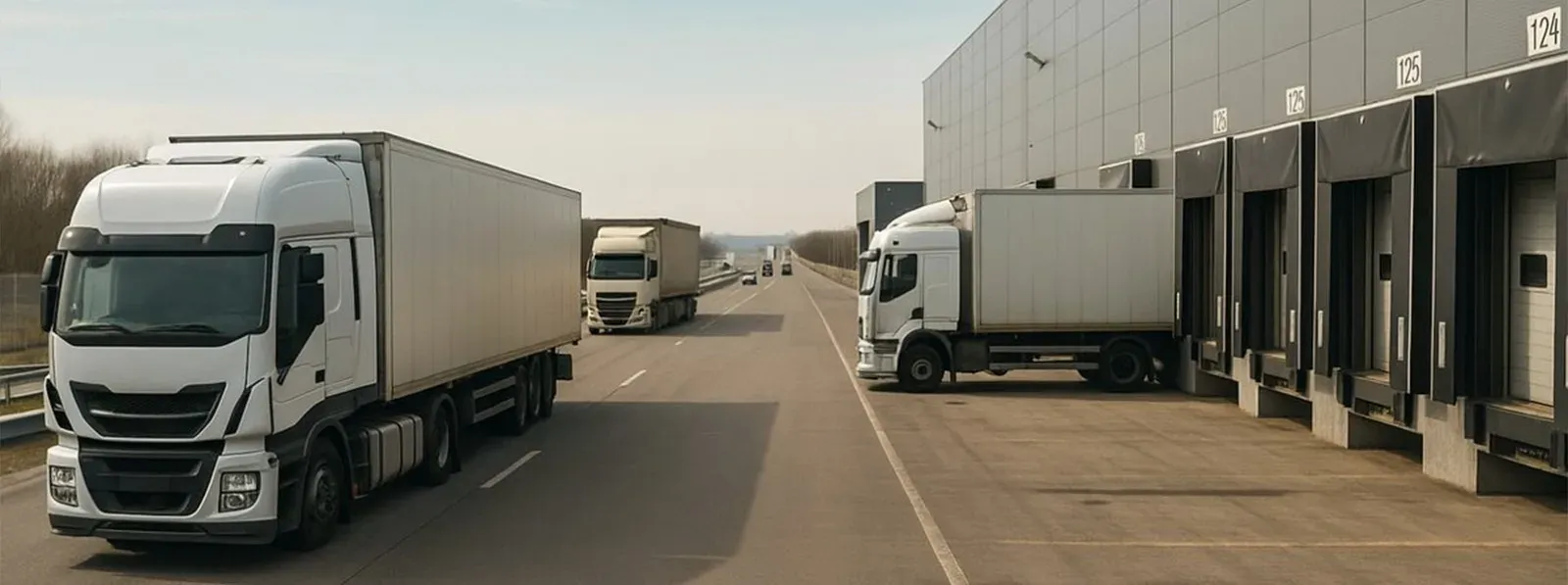
What happens when a pickup vehicle gets stuck in unexpected traffic mid-route? Smart tracking systems fix the plan on the spot. Systems continuously check road data and adjust directions as conditions change. Using smart systems for route optimization for pickups helps dispatchers reroute drivers instantly. This keeps operations moving without long delays. A dedicated technology provider like Mobility Infotech Logistics offers tools that connect drivers and central management teams instantly.
- Driver applications give clear directions to every depot, helping drivers avoid congested city center streets while keeping fuel consumption low throughout the working day.
- Automated status updates inform clients about exact arrival times, which reduces phone calls and improves trust between businesses and their transport service partners.
- Smart load balancing spreads tasks evenly among all active drivers, ensuring no single vehicle carries too much cargo while another sits completely idle.
Key Tools for Modern Logistics Operations
To stay ahead, teams must use modern platform features. A well-designed platform offers flexibility and clear visibility across multi-city routes. By using on-demand pickup route optimization, transport managers can respond to last-minute pickup orders within minutes instead of hours. This direct level of pickup and dispatch optimization lowers total driving time across multiple regional hubs.
- Live mapping tools monitor vehicle speeds, idle times, and stop durations, allowing managers to spot operational bottlenecks before they cause costly shipping delays.
- Automated order grouping clusters nearby pickup points together, ensuring drivers spend less time driving empty vehicles between distant urban locations throughout their shifts.
- Centralized dashboards give fleet operators full control over multi-city assets, making it simple to allocate extra vehicles during peak sales periods effectively.
- Digital proof of delivery features capture signatures and photos instantly, eliminating lost paper receipts and speeding up invoicing processes for billing departments.
Industry Insights and Research Findings
Data shows that modern software changes how fleets operate across long distances. Let us look at real research from leading industry organizations. According to research from the Massachusetts Institute of Technology, urban delivery vehicles spend nearly 30% of their active operational time searching for parking or waiting at destination hubs. Also, a study by the Council of Supply Chain Management Professionals shows that inefficient scheduling accounts for up to 20% of wasted fuel in regional logistics fleets. Industry expert Dr. Yossi Sheffi, Director of the MIT Center for Transportation and Logistics, stated, "Effective fleet management relies on fast, accurate data to make simple decisions before delays happen on the road." Working with experienced providers like Mobility Infotech Logistics gives fleet owners access to reliable software that tackles these exact inefficiencies head-on.
Building a Stronger Multi-City Supply Chain
Growing a transport business requires constant care and smart tools. Manual planning cannot scale when operations spread across ten or twenty cities. Logistics managers must move away from old paper processes and embrace automated platforms. Adopting automated pickup and dispatch optimization turns chaotic daily tasks into simple, organized processes. It allows companies to serve more customers with fewer resources. With solutions from Mobility Infotech Logistics, logistics companies gain full visibility, cut operational costs, and satisfy customers every single day. Moving to automated fleet dispatch is the best choice for long-term growth.
Get in touch with our battle-tested sustainability, technology, and TMS specialists to explore tailored green logistics solutions.

You might also like
 Written by Jane Austen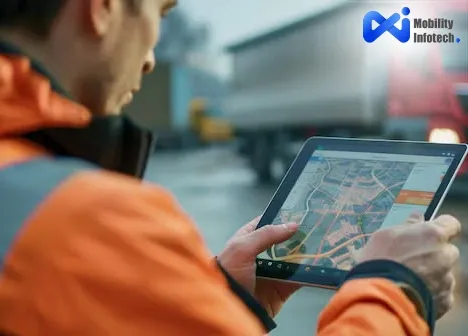
 Written by Michael S.
 Written by David Williams