
Real-Time Delivery Route Optimization Reducing Failed Deliveries Across India

Introduction
Every logistics team in India has a number they don't like to talk about too loudly, their failed delivery rate. Customer not available, wrong address, driver couldn't find the location, ran out of delivery window. It adds up, and each failed delivery isn't just a missed revenue moment, it's a reattempt that costs fuel, driver time, and customer patience all over again.
The interesting part is that a large chunk of failed deliveries trace back to routing problems rather than genuinely unavoidable circumstances. When routes are planned without real time context, drivers show up at the wrong time, take longer than expected to arrive, or simply run out of usable time in their shift before reaching every stop.
What "Real Time" Actually Means Here
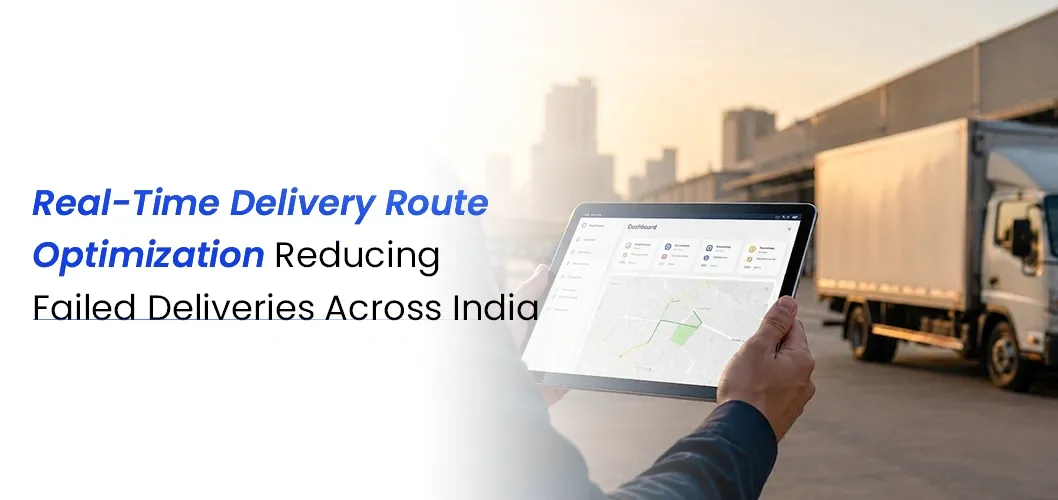
Real-time delivery route optimization isn't just about having a live map. It means the system is continuously recalculating based on current traffic, driver location, new order additions, and even customer-reported availability changes, then adjusting the route accordingly instead of sticking to a plan that was accurate when the day started but isn't anymore.
This matters enormously in Indian cities where traffic conditions can shift dramatically within an hour, whether it's a sudden monsoon downpour in Mumbai or unexpected congestion from a local event in Bengaluru. A route that made sense at 9am can be completely wrong by 11am if nothing's adjusting for what's actually happening on the ground.
Where Delivery Route Optimization Software Prevents Failures
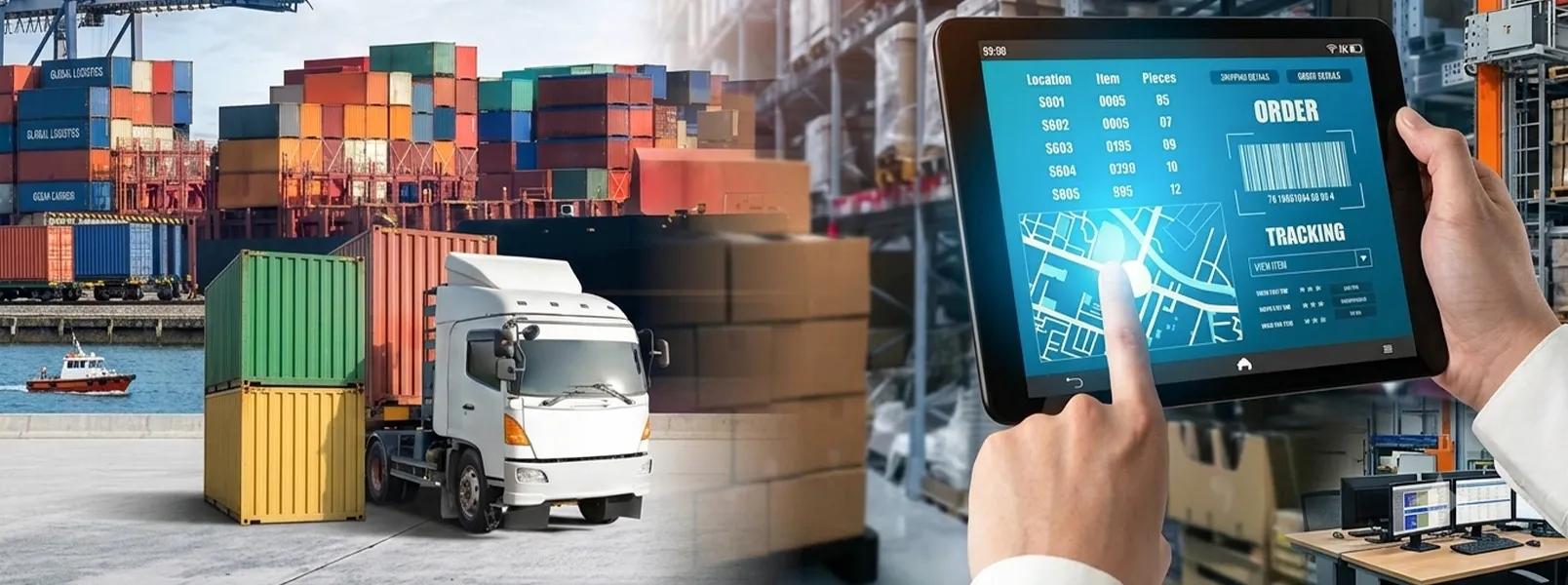
Good Delivery route optimization software catches problems before they become failed deliveries. If a customer's location has a history of being difficult to find, the system can flag that and adjust the estimated arrival window accordingly, giving drivers more buffer time. If traffic conditions mean a driver is running behind, the system can proactively notify customers with an updated ETA rather than leaving them waiting and eventually giving up on the delivery.
Delivery Routing and Scheduling Software That Talks to Customers
One underrated feature of solid delivery routing and scheduling software is customer communication built directly into the routing logic. When a route shifts because of traffic or a reprioritized stop, customers get an accurate updated ETA automatically, not a generic "your order is on the way" message that doesn't actually reflect reality. That accuracy alone prevents a lot of failed delivery attempts, because customers are more likely to be available when the ETA is trustworthy.
The Scale of the Problem in India
India's last mile delivery market is worth close to eight billion dollars currently and growing at a strong double digit pace, which means even a modest percentage improvement in failed delivery rates translates into a genuinely large amount of recovered revenue and reduced operational cost across the industry. Given that over 60 percent of total delivery costs are typically tied to the last mile, reducing failed attempts here has an outsized impact on overall logistics economics.
Beyond Software: What Else Contributes to Failed Deliveries
It's worth being honest that software alone doesn't solve everything. Address quality remains a genuine challenge in parts of India where formal addressing systems are inconsistent. But even here, real time routing helps, because a system that learns from previous successful deliveries to a location can build up more accurate location data over time, gradually reducing the "couldn't find address" failure category even in areas with imperfect formal addressing.
How Mobility Infotech Logistics Reduces Failed Deliveries
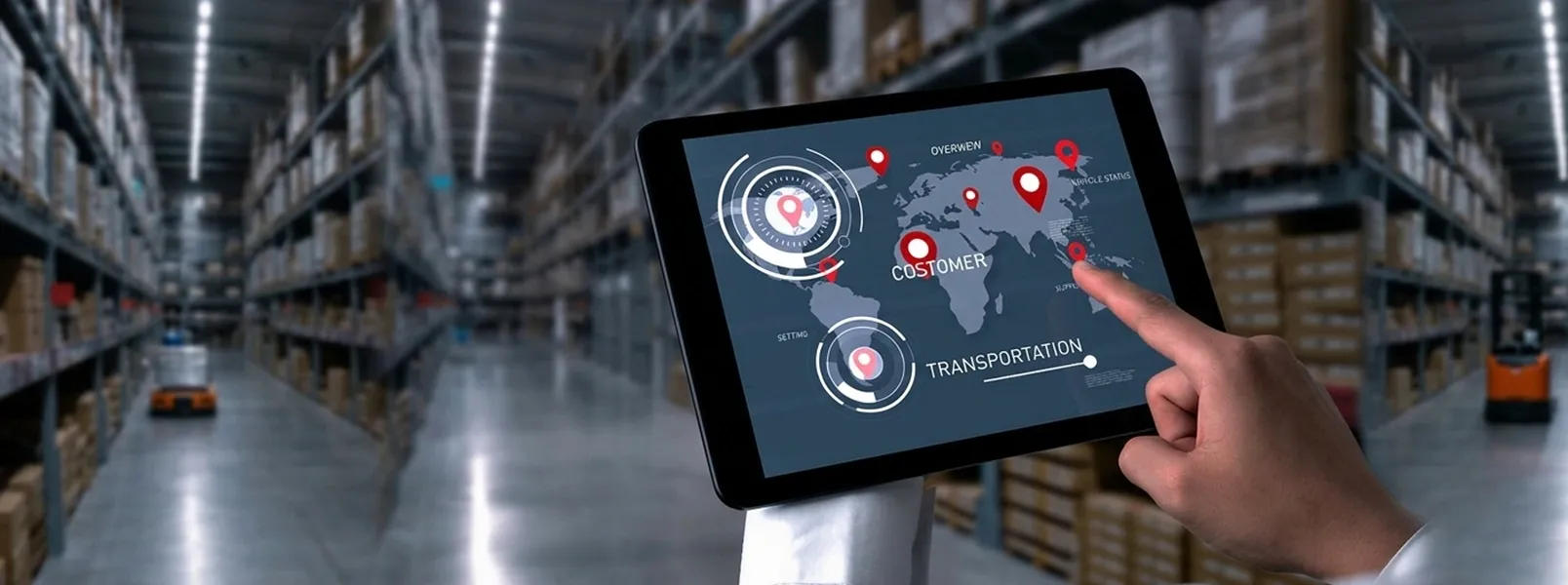
Mobility Infotech Logistics built our route optimization platform around continuous real time recalculation specifically because static planning wasn't cutting it for the volume and unpredictability of Indian last mile delivery. Our system adjusts routes dynamically based on live traffic, driver status, and delivery history, while automatically pushing accurate ETA updates to customers so they know when to actually expect their delivery.
We've also built in learning from historical delivery patterns, so locations that have caused problems before get flagged with extra buffer time or additional delivery instructions, reducing the chance of a repeat failure at the same address.
Reattempts Cost More Than People Realise
It's worth putting a real number on why this matters so much. A single reattempted delivery isn't just one extra trip, it usually means the parcel sits in a hub overnight, gets re-sequenced into a different route the next day, and consumes driver time and fuel a second time for something that should have worked the first time. Do that across even a modest percentage of daily volume and the cost compounds fast, especially for operators running thin margins on last mile in competitive markets like Delhi NCR or Bengaluru where multiple providers are fighting for the same customer base.
There's a customer trust cost too, one that's harder to put a number on but arguably more important long term. A customer who experiences a failed delivery once might give a brand the benefit of the doubt. A customer who experiences it repeatedly starts questioning whether that seller or platform is reliable at all, which affects repeat purchase behaviour well beyond the single transaction that failed.
Measuring the Impact
If you're trying to justify investment in better routing, failed delivery rate is one of the clearest metrics to track before and after. Most operations that move from static or manual routing to real time optimization see a measurable drop within the first month, which tends to make the business case for wider adoption fairly straightforward.
A Simple Way to Start Measuring Root Causes
Before rolling out any new routing tool, it helps to actually categorise why deliveries are failing today. Pull a month of failed delivery data and sort it into buckets, customer unavailable, address not found, driver ran out of time, wrong contact number, and so on. More often than not, a large share of that total falls into buckets that real time routing directly addresses, which makes it much easier to build a confident business case rather than guessing at expected improvement.
- content
- Introduction
- What "Real Time" Actually Means Here
- Where Delivery Route Optimization Softwa...
- The Scale of the Problem in India
- How Mobility Infotech Logistics Reduces ...
Get in touch with our battle-tested sustainability, technology, and TMS specialists to explore tailored green logistics solutions.

You might also like
 Written by Jane Austen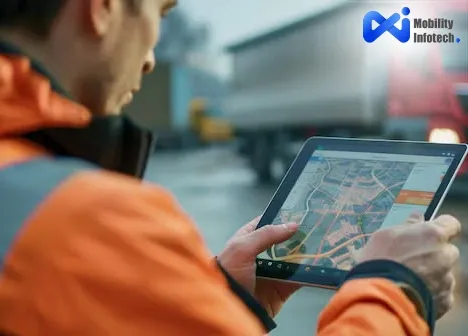
 Written by Michael S.
 Written by David Williams