
Operations Research in Logistics: The Science Behind Smarter Route Optimization

Introduction
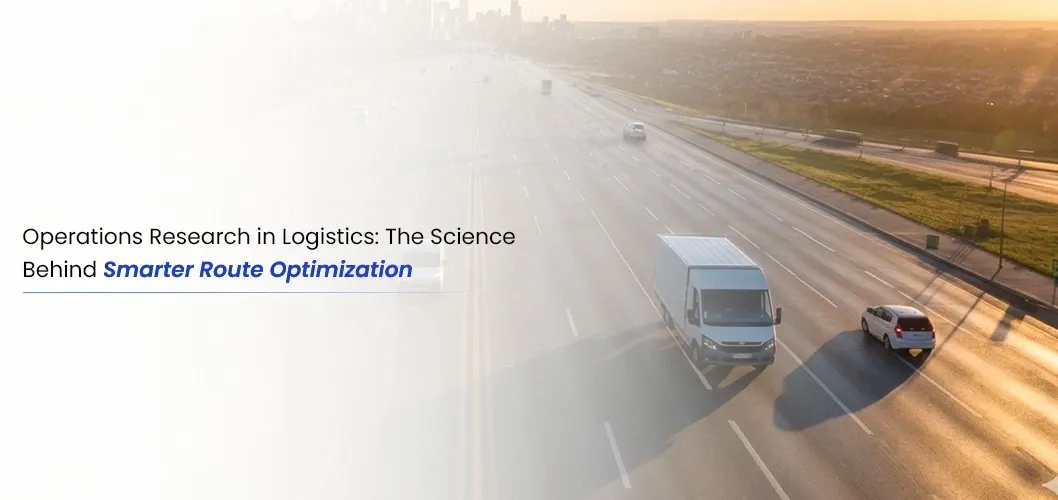
How do items arrive at your door so fast? Every day, thousands of delivery trucks hit the road. They carry packages to homes and businesses. Drivers must make many stops in a single day. Planning these stops by hand is very hard. Traffic changes every minute. Roads get blocked unexpectedly. Fuel costs continue to rise. Weather conditions cause more issues. Simple planning cannot handle these daily challenges. This is where science helps businesses find the best paths and Insights.
Why Is Route Planning So Hard?
Why do simple routes fail when you add more stops? The math gets complex very quickly. If you have five stops, the choices are few. If you have fifty stops, the choices are in the millions. A computer doing a billion calculations a second would take years to find the perfect path. This is a known math challenge. It is hard for human brains to solve.
Firms cannot afford to guess the best paths. A bad guess means empty trucks and late drops. This causes angry customers. A modern vehicle routing optimization system solves this issue. It uses special rules to find great paths in seconds.
The Role of Modern Software
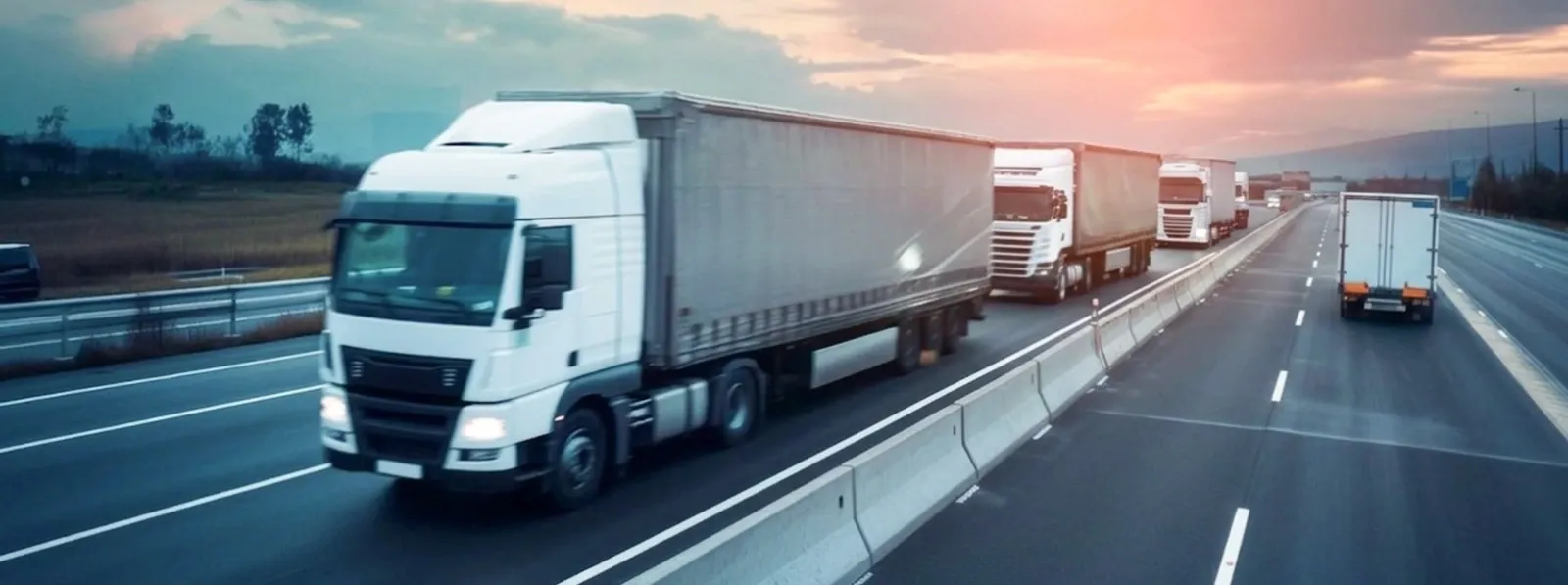
Managing a fleet requires fast tools. Manual planning takes too many hours. It also leads to human errors. Drivers end up backtracking on the same roads. They cross paths by mistake. This wastes time and fuel. It causes vehicle wear and tear.
Smart tools change the process. Using route optimization software for logistics companies saves vital resources. The tool looks at the whole map at once. It balances the work across all drivers. This ensures no single driver gets too much work. It makes the fleet fair.
Investing in route optimization software keeps your fleet moving without breaks. It turns complex math into simple turn-by-turn directions.
How Smart Routing Slashes Operating Costs
What do companies gain from using math-based tools? The results show clearly in the data. Studies show that routing tools provide great value. Managers see the shift immediately.
According to research found on Wikipedia.org, vendors of routing tools show clear cost savings of 5% to 30% for fleets. Also, large companies see massive shifts. For example, the ORION system used by UPS reduces fuel consumption by 10 million gallons per year. This protects the environment too.
This proves that math creates real savings. Mobility Infotech Logistics helps firms reach these goals. Deploying a dedicated route optimization software for logistics companies lowers your monthly bills. It keeps your business competitive. It helps you grow.
Key Elements of Smart Systems
A good system looks at many things at once. It does not just look at distance. It looks at the whole business picture. Fleet managers need this full view. Here are the main points a top system tracks:
- Vehicle Fleet Constraints: Each truck has a maximum weight capacity. The software tracks this feature so trucks never overload and break safety laws on the open highway.
- Precise Delivery Windows: Customers want their packages at specific hours. The system plans the best paths to hit these narrow times so you always avoid costly service penalties.
- Live Traffic Updates: Traffic jams happen every single day. The tool changes the driving path in real time so drivers avoid delays and stay on their schedules.
- Driver Work Hours: Drivers can only work a set number of hours each day. The tool tracks these vital breaks to keep your logistics business completely safe.
Using route optimization software for logistics companies automates all these checks. It removes the stress from daily management. It gives managers peace of mind.
The Future of Fleet Logistics
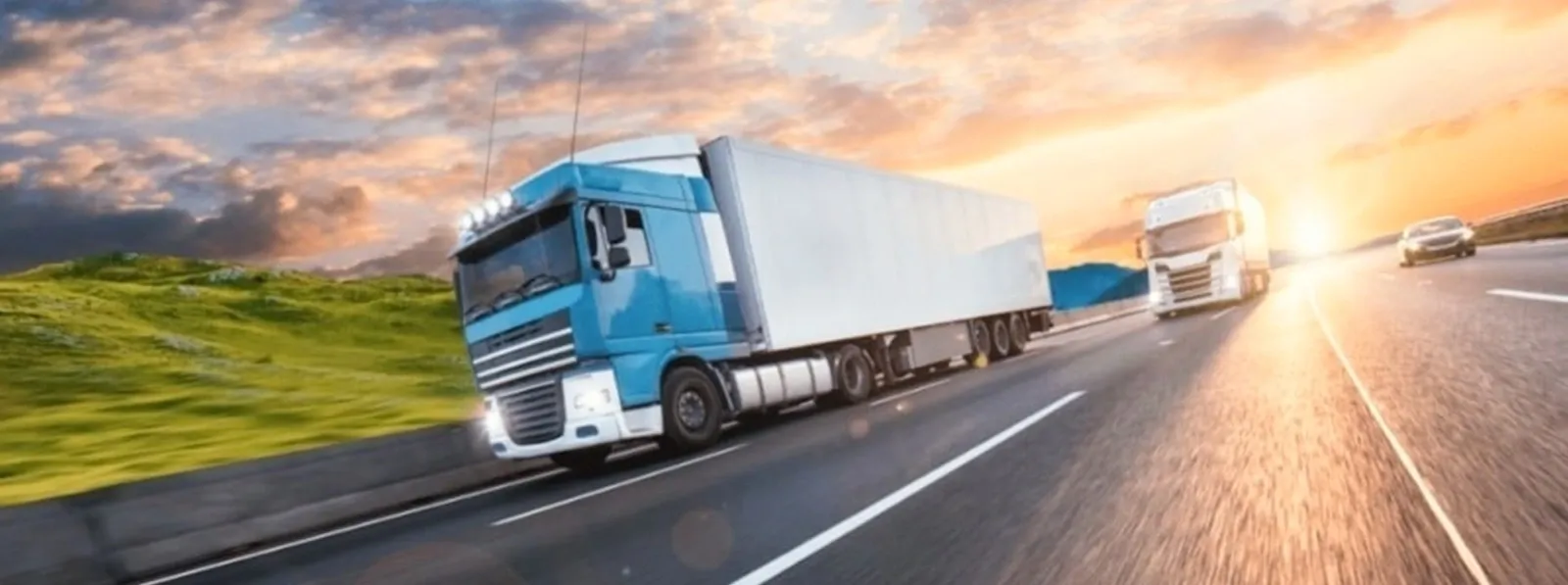
The delivery industry changes fast. Customer demands are higher than ever before. People want items delivered on the same day. Fleet managers must adapt to stay alive. They need strong tools.
Math and science will continue to guide the way. Using route optimization software for logistics companies is no longer a luxury. It is a tool for survival.
As UPS executive Juan Perez once noted, companies run information against mathematical models to provide every driver with an optimized delivery route every single day. This keeps the business ahead.
Let Mobility Infotech Logistics guide your fleet into the future. Smart math leads to smarter paths and higher profits.
- content
- Introduction
- Why Is Route Planning So Hard?
- How Smart Routing Slashes Operating Cost...
- Key Elements of Smart Systems
- The Future of Fleet Logistics
Get in touch with our battle-tested sustainability, technology, and TMS specialists to explore tailored green logistics solutions.

You might also like
 Written by Jane Austen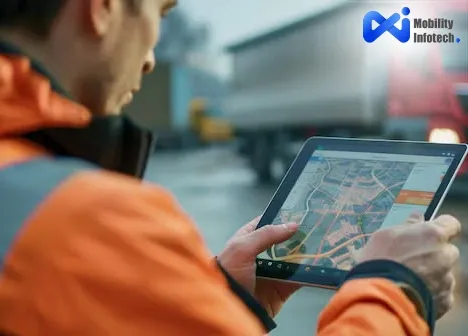
 Written by Michael S.
 Written by David Williams