
Why Logistics Companies Are Upgrading to AI-Powered Route Optimization Software

Introduction
The American Highway Has a Math Problem
Picture this. A diesel truck idles outside a Cincinnati warehouse at 5:47 AM. The driver squints at a printed route sheet, scribbles a note, and pulls out. Three hours later, he’s stuck on I-75 because nobody told him about the lane closure. Sound familiar? It should. This is the daily reality bleeding billions out of American supply chains, and it’s exactly why smart fleets are racing toward AI-based route optimization like their margins depend on it. Because honestly? They do.
The American Trucking Associations reported the industry faced a shortage that could swell to 160,000 drivers by 2030, while last-mile delivery now eats up to 53% of total shipping costs, jumping from 41% in 2018. That’s not a trend. That’s a five-alarm fire.
Why Old-School Routing Is Quietly Killing US Logistics Companies
Let’s be blunt. Static routing is dead. It just hasn’t been buried yet. American logistics Businesses operators are getting squeezed from every direction, and the spreadsheets your dispatch team built in 2019 simply cannot keep up with the chaos of 2026.
The Driver Shortage Nobody Can Fix Overnight
The ATA’s updated forecast estimated the industry could be short over 100,000 drivers within five years and 160,000 by 2028 American Trucking Associations. Replacing humans isn’t realistic. So what’s left? Making every existing driver dramatically more productive through intelligent dispatching that squeezes more deliveries out of fewer hours behind the wheel without burning anyone out or risking compliance violations.
Fuel Costs That Refuse to Behave
Diesel jumps. Diesel dips. Diesel jumps again. Even with ATRI noting a 13% drop in fuel costs in 2024, federal fuel tax still bites 24.4¢ per gallon of diesel as of January 2025 Geotab ATA. When your trucks burn fuel sitting in traffic or backtracking because of a poorly planned route, you’re literally setting cash on fire. Every. Single. Day.
Customer Expectations That Border on Unreasonable
Two-day shipping ruined everyone. Now buyers in Phoenix want same-day, real-time tracking, and a smiling driver who arrives in a precise 15-minute window. Miss it? They post a review. They switch carriers. They complain on Reddit. The pressure isn’t theoretical. It’s existential for any 3PL trying to compete with the giants who already deployed billion-dollar AI stacks.
What AI-Based Route Optimization Actually Does (No Buzzwords)
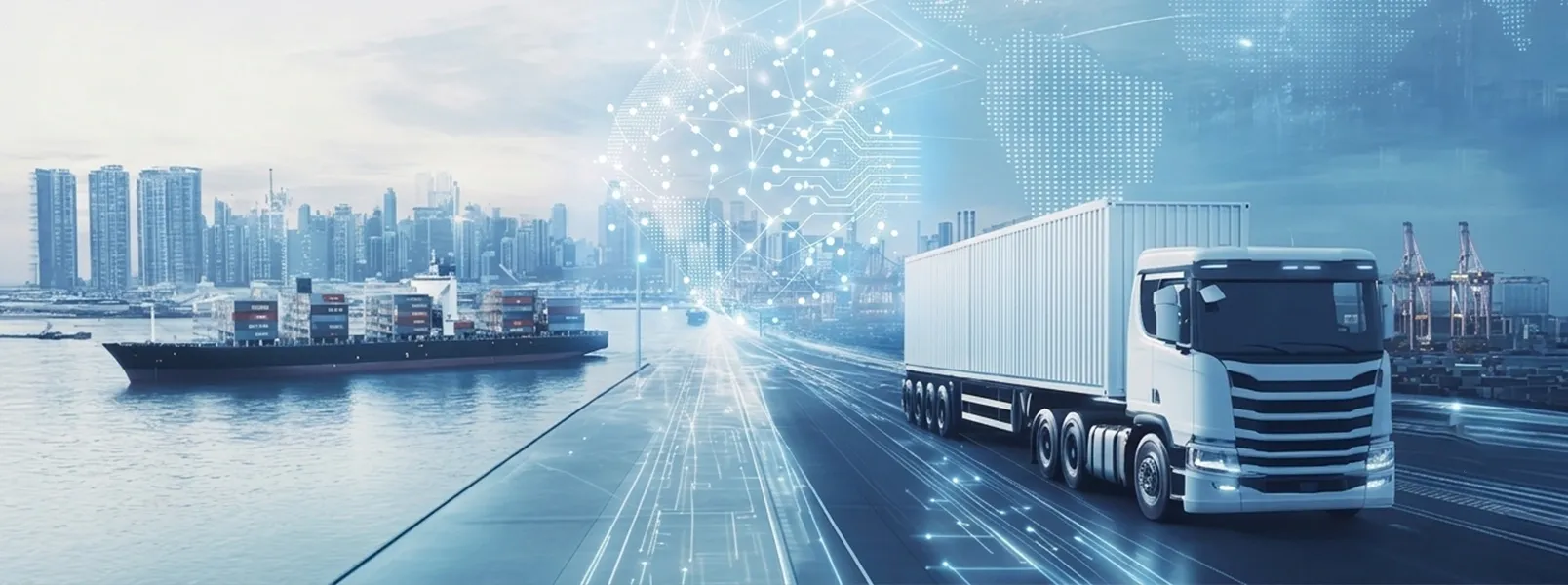
Forget the marketing fluff. Here’s the real deal. A modern route optimization solution ingests live traffic, weather, fuel prices, vehicle capacity, driver hours-of-service rules, delivery windows, customer preferences, and roughly 200 other variables. Then it spits out routes that no human dispatcher could ever calculate, even with a month of coffee and Excel.
Real-Time Decisions, Not Morning Plans
Old systems plan once a day. AI replans constantly. A wreck on the Dan Ryan? Rerouted in seconds. A customer pushes their delivery window? The whole sequence reshuffles. Companies running AI-powered routing are reporting fuel savings of 10 to 20% and delivery time improvements of 25 to 30% Shyftbase. That’s not marginal. That’s transformational.
Predictive Power, Not Reactive Scrambling
This matters more than people realize. AI learns. It studies your historical delivery data, identifies patterns invisible to humans, and predicts which stops will run long, which neighborhoods cause delays, and which drivers handle which routes best. Reactive dispatch is firefighting. Predictive dispatch is fire prevention. Big difference.
How Mobility Infotech Logistics Solves These Problems for American Fleets
Here’s where the rubber meets the road, literally. Mobility Infotech Logistics isn’t selling another generic dashboard. The platform was built ground-up to handle American complexity, from cross-country freight corridors to dense urban last-mile delivery in markets like New York, LA, Chicago, and Dallas.
Built for Volume, Tuned for Precision
Mobility Infotech Logistics automatically generates the most efficient routes for thousands of orders across hundreds of drivers using over 200 constraint parameters in just a few clicks. Read that again. Two hundred constraints. Vehicle weight, HOS rules, customer SLAs, fuel stations, traffic, weather, driver preferences, multi-stop sequencing. All of it. Calculated in seconds. Released to drivers before they finish their coffee.
End-to-End Logistics Orchestration That Actually Connects
One thing American operators absolutely hate? Systems that don’t talk to each other. Mobility’s platform stitches together first mile, mid mile, last mile, fleet management, TMS integration, and shipment tracking under one roof. No more duct-taping six vendors together praying the API doesn’t break at 2 AM.
Proof from the Field
A US-based food logistics leader using the platform reported route optimization alone significantly cut fuel spend and driver hours, with customers loving the live-tracking links and analytics driving smarter weekly decisions. Another operator saw delivery delays drop by nearly 28% thanks to automated route re-optimization. Numbers like that don’t lie. Neither do happy customers.
The Bottom Line for American Logistics Leaders
So here’s the question every COO needs to answer this quarter: Can you afford another year of bleeding fuel, missing windows, and watching competitors lap you on efficiency? Probably not. The math has shifted. AI isn’t a luxury anymore. It’s table stakes. And the gap between fleets that adopt it now versus the ones who wait until 2027 will be brutal, possibly unrecoverable. For many operators, embracing AI is no longer just an option—it's a strategic upgrading initiative essential for staying competitive. In today's market, upgrading operations with AI is what separates industry leaders from those struggling to keep pace.
Mobility Infotech Logistics gives American operators a serious shot. Real platform. Real results. Real ROI you can show your board next month. Want to see it run on your routes? That conversation costs nothing. Ignoring it might cost everything.
Get in touch with our battle-tested sustainability, technology, and TMS specialists to explore tailored green logistics solutions.

You might also like
 Written by Jane Austen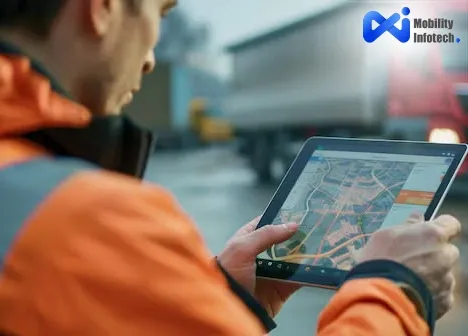
 Written by Michael S.
 Written by David Williams