
How Route Optimization Strengthens Supply Chain Performance

Introduction
Modern supply chains face many hard challenges every single day. Customers want their orders to arrive faster than ever before. Fuel prices go up and down without warning. Traffic jams create unexpected delays on major roads. Managing a fleet of delivery vehicles is a very complex job. Businesses must find smart ways to save time and money to survive. Staying competitive requires deep planning and new strategies.
The Growing Problems in Modern Delivery
Why do traditional planning methods fail in modern traffic? Many dispatchers still use manual maps and basic spreadsheets to plan trips. This old way takes too many hours. It fails to see accidents or road closures until it is too late.
How do delivery delays affect business costs? When trucks sit in traffic, they waste expensive fuel and driver hours. Missing a delivery window hurts customer trust. Customers will quickly leave for a faster competitor. Businesses need a clear system to fix these daily issues. That is where Mobility Infotech Logistics helps companies grow.
Understanding Smart Path Selection
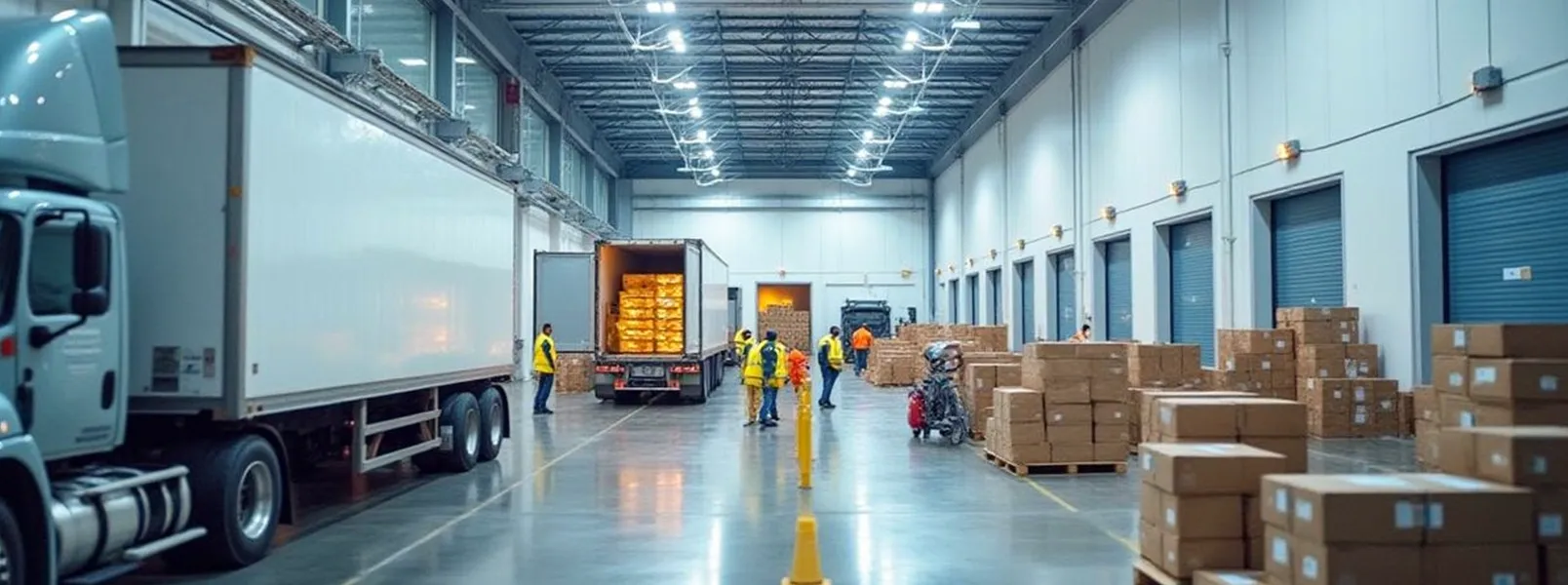
What is the best way to handle multiple stops? Drivers cannot just guess the best paths anymore. They need live data to make good choices on the road. Implementing route optimization helps drivers find the absolute best paths in seconds. This method looks at distance, traffic, and weather. Efficient route optimization calculates the fastest paths for every single truck in your fleet.
- Lower fuel usage: Smart paths help drivers bypass heavy traffic zones easily. This reduces truck idling time and saves large amounts of expensive fuel every week.
- Better vehicle health: Shorter paths cause less wear and tear on your delivery trucks. Your fleet stays on the road longer and needs fewer emergency repairs over time.
- More daily deliveries: Drivers waste less time sitting in traffic jams or getting lost. They can finish more deliveries in a single shift and boost total productivity.
The Financial Impact of Smart Planning
Every business wants to cut operational expenses without losing quality. Last-mile delivery is often the most expensive part of the shipping process. According to the Council of Supply Chain Management Professionals, last-mile delivery makes up about 53% of total shipping costs. Reducing these costs gives businesses a huge advantage. Using modern logistics route optimization gives companies full control over their delivery spending. It removes guesswork from daily planning.
- Reduced driver overtime: Faster paths mean drivers complete their schedules during standard hours. This drastically cuts down on costly overtime pay for warehouse and driving staff.
- Fewer missed windows: Customers receive their packages exactly when they expect them. This lowers the cost of handling redeliveries and managing angry customer support phone calls.
What Does it Take to Build a Stronger Fleet?
Experts agree that technology is vital for survival in today's market. Professor Yossi Sheffi from the MIT Center for Transportation and Logistics stated that supply chain resilience and efficiency depend heavily on visibility and the ability to adapt routes in real-time. This means companies must be ready to change plans instantly when problems happen.
Manual planning cannot provide this speed. Advanced logistics route optimization software provides the real-time visibility that managers need. It connects drivers with dispatchers instantly. This connection helps everyone stay informed and react fast.
Environmental Benefits of Modern Fleets
What role does technology play in making fleets greener? Green logistics is no longer just a trend. It is now a necessity for legal compliance and brand reputation. According to a study by the Massachusetts Institute of Technology, optimizing delivery paths can cut carbon emissions by up to 14%. Shorter paths mean less smoke enters the air we breathe.
- Smaller carbon footprint: Driving fewer miles means burning less diesel fuel daily. This directly lowers the amount of greenhouse gases your company vehicles produce every single year.
- Better community image: Modern shoppers prefer to buy from eco-friendly brands. Showing a real commitment to green deliveries helps your business attract more loyal, long-term customers.
Choosing the Right Tools for Success
Not all tools are built the same way. Small businesses need tools that scale as they expand. Selecting the right route optimization software for logistics companies can transform your entire operation. It automates repetitive tasks, so your team can focus on growth. Mobility Infotech Logistics offers tools designed to solve these specific shipping challenges.
- Live tracking features: Managers can see every vehicle on a live digital map. This helps dispatchers give customers highly accurate arrival times and manage unexpected delay issues.
- Instant driver alerts: System tools send new directions directly to drivers' phones. Drivers can avoid new accidents or roadblocks without stopping to call the office.
Why Visibility Matters for Customer Trust
Customer happiness is the ultimate goal for any delivery service. When packages arrive late, customers feel frustrated and stressed. They want to know where their items are at every moment. Applying route optimization helps companies provide instant updates to their clients. This transparency builds strong relationships that last for years.
The Future of Supply Chain Management
The world of shipping will continue to change rapidly. Customer expectations will only grow higher over time. Companies must adapt now or risk falling behind their competitors. Investing in smart route optimization ensures your business is always ready for tomorrow. Mobility Infotech Logistics provides the reliable support and technology needed for long-term supply chain success.
- content
- Introduction
- The Growing Problems in Modern Delivery
- Understanding Smart Path Selection
- What Does it Take to Build a Stronger Fl...
- Choosing the Right Tools for Success
Get in touch with our battle-tested sustainability, technology, and TMS specialists to explore tailored green logistics solutions.

You might also like
 Written by Jane Austen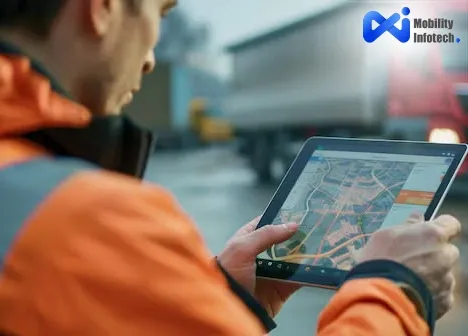
 Written by Michael S.
 Written by David Williams