
How Food Delivery Businesses Can Handle Peak Hours With AI Route Optimization


Introduction
Anyone who has run a food delivery operation in India knows exactly what happens between 12:30 and 1:30pm, and again around dinner time. Order volume spikes hard, riders who were comfortably handling three orders an hour are suddenly juggling six, and the gap between "food left the restaurant hot" and "food arrived lukewarm" starts widening fast. Peak hours are where food delivery operations either prove themselves or fall apart.
The frustrating part is that a lot of peak hour chaos isn't actually about having too few riders. It's about riders being routed inefficiently when demand is at its highest, which is exactly when routing mistakes cost the most.
Why Peak Hours Break Standard Routing Logic
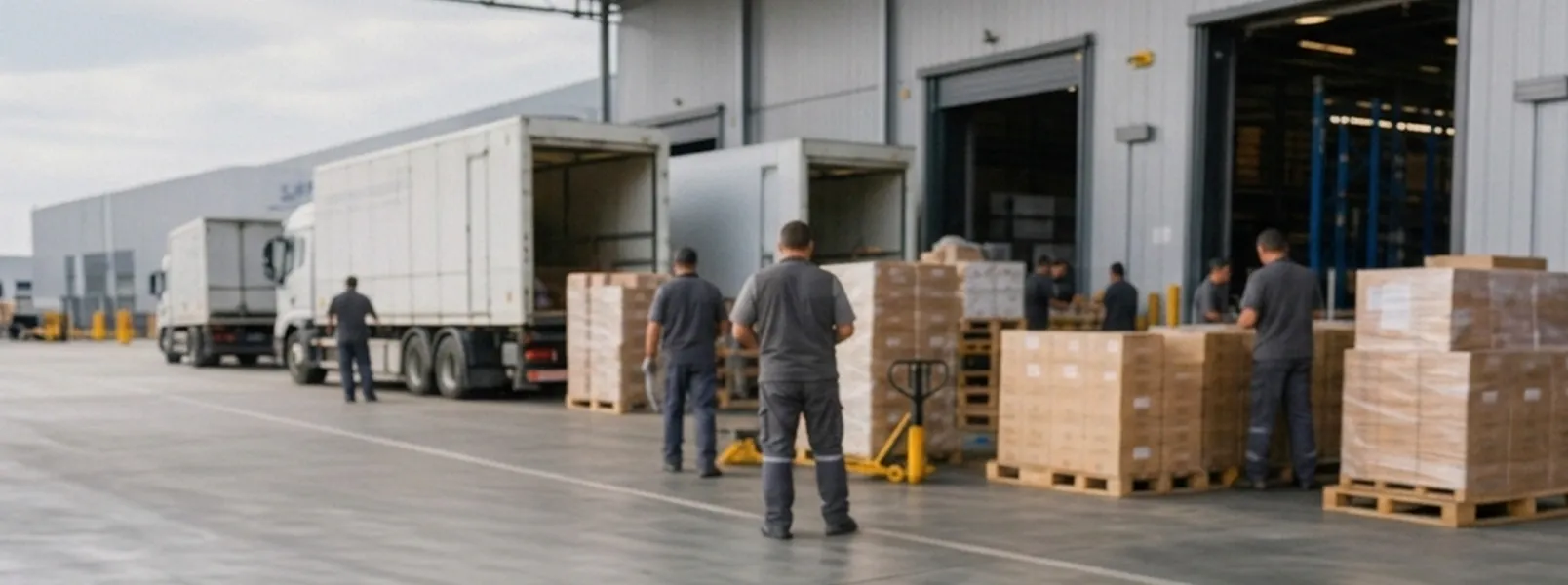
Most routing approaches work fine when order density is low and predictable. During peak hours, order density spikes unpredictably by restaurant, by neighbourhood, and by minute. A rider assigned a straightforward looking route at 12:00 can end up stuck with three simultaneous pickups at different restaurants by 12:20 because new orders kept coming in without the system reassessing the full picture.
This is where food delivery route optimization earns its value. Rather than assigning orders on a simple first-come basis or a fixed zone system, smart routing continuously reassesses which rider is genuinely best positioned for each new order based on their current location, existing order load, and the fastest realistic path considering current traffic.
Real Time Route Optimization for Food Delivery Apps
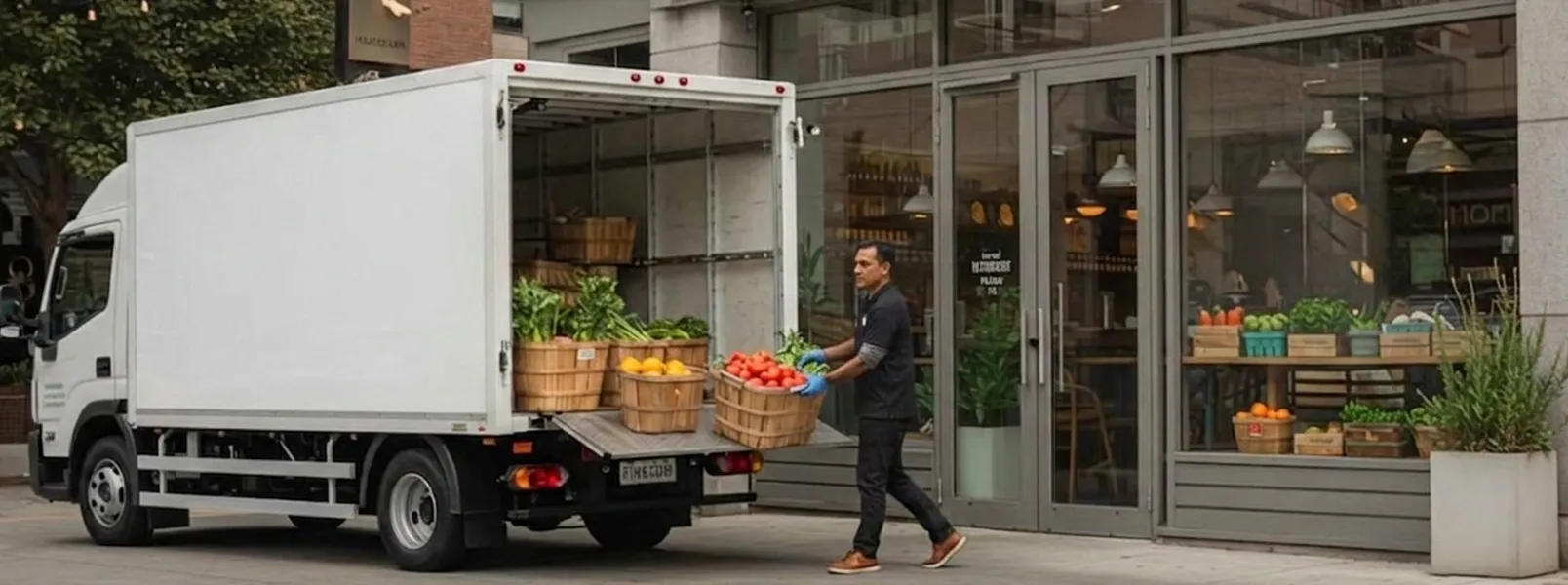
The core challenge with real time route optimization for food delivery is speed of decision making. Unlike parcel delivery where a slightly suboptimal route costs a few extra minutes that don't matter much, food delivery has a much tighter tolerance. Every extra minute in transit affects food temperature and quality directly, so the optimization engine needs to make good decisions fast, not just eventually arrive at a theoretically perfect route.
Batching Orders Without Sacrificing Speed
One of the trickier balancing acts during peak hours is order batching, having one rider handle multiple orders on a single trip to improve efficiency, without letting any individual order sit too long and arrive cold. Good route optimization for food delivery apps calculates batching opportunities dynamically, only combining orders when the combined route genuinely keeps every order within an acceptable delivery time, rather than batching aggressively just to reduce rider count and accepting worse food quality as a tradeoff.
What Happens When Peak Hour Routing Goes Wrong
The costs of poor peak hour routing are visible fast. Cold food complaints spike. Riders get frustrated juggling orders that were poorly sequenced. Restaurant partners get annoyed when food sits waiting for pickup longer than it should. And customers who have a bad peak hour experience are noticeably more likely to switch to a competing platform for their next order, since peak hours are exactly when they're comparing delivery speed across options most actively.
How This Connects to India's Quick Commerce Boom
Food delivery's peak hour challenges have essentially become the template that quick commerce grocery delivery had to solve too, since both categories depend on rapid, unpredictable demand spikes being handled without falling apart. The AI route optimisation, EV fleet routing, and demand prediction techniques that have matured in food delivery are increasingly informing how broader last mile operators think about peak period management across India's fast growing delivery economy.
How Mobility Infotech Logistics Supports Peak Hour Operations
Mobility Infotech Logistics builds route optimization designed to handle exactly this kind of demand volatility. Our platform continuously reassesses rider assignments as new orders come in during peak windows, calculates smart batching opportunities without compromising delivery speed, and factors in live traffic conditions specific to Indian cities where peak hour congestion can be severe.
For food and quick commerce clients specifically, we've built routing logic that prioritises time sensitivity appropriately, recognising that a food order and a general parcel shouldn't be treated with the same urgency tolerance.
The Rider Experience Side of the Equation
It's easy to focus entirely on the customer end of peak hour performance and forget that riders are dealing with their own version of the stress. A rider who's constantly being handed poorly matched orders, long detours, or unreasonable batch combinations during a chaotic lunch rush burns out fast, and rider churn is a genuinely expensive problem for food delivery platforms to manage. Smart routing that respects realistic delivery windows and sensible batching isn't just a customer satisfaction feature, it's also what keeps riders willing to work peak shifts in the first place rather than avoiding them.
Platforms that get this balance right tend to see better rider retention during exactly the hours they need coverage most, which creates a positive cycle. Fewer riders quitting mid-peak means fewer emergency reassignments, which means routing stays more predictable even under pressure.
Preparing for the Next Peak
If your current peak hour performance isn't where you'd like it, start by looking at where the breakdown actually happens, is it pickup delays at restaurants, poor rider-to-order matching, or batching decisions that stretch delivery times too far. Identifying the specific bottleneck makes it much easier to evaluate whether better routing technology will actually solve your particular version of the peak hour problem.
Learning From Yesterday's Peak to Improve Tomorrow's
One thing worth doing regardless of which routing platform you use is treating every peak hour as a data point rather than just something to survive and move past. Which zones consistently see the longest delays. Which restaurant partners have the slowest average pickup time. Which batching combinations tend to end in a late delivery complaint. Feeding that pattern recognition back into how routes get planned for the next peak, whether automatically through Mobility Infotech Logistics or manually by an ops team reviewing the data, tends to compound improvements over just a few weeks of consistent attention.
- content
- Introduction
- Why Peak Hours Break Standard Routing Lo...
- Real Time Route Optimization for Food De...
- How Mobility Infotech Logistics Supports...
- Preparing for the Next Peak
Get in touch with our battle-tested sustainability, technology, and TMS specialists to explore tailored green logistics solutions.

You might also like
 Written by Jane Austen
 Written by Michael S.
 Written by David Williams