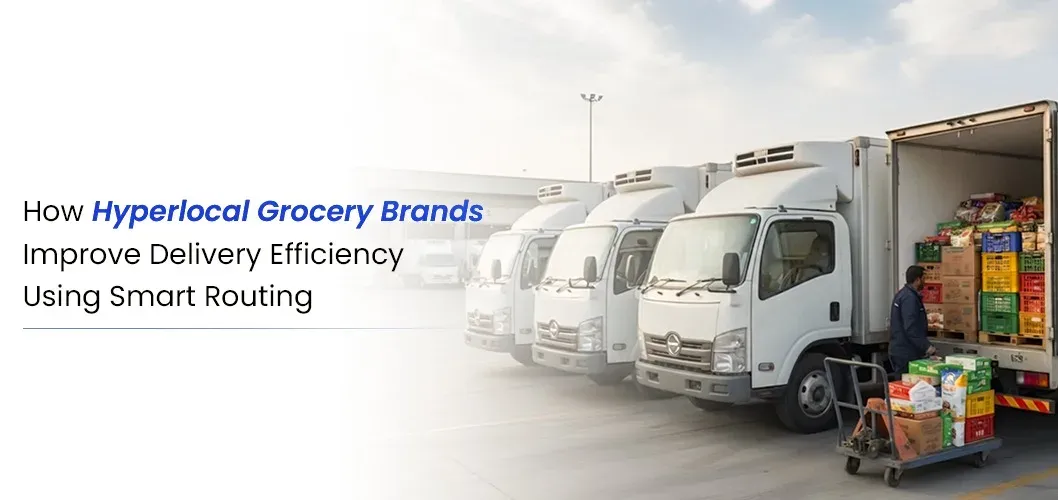
How Hyperlocal Grocery Brands Improve Delivery Efficiency Using Smart Routing

Introduction
Hyperlocal grocery delivery is growing fast. Customers want fresh items delivered to their doors in minutes. Meeting these high expectations is very hard for local grocery brands. Traffic, busy roads, and small delivery windows create daily delays. Drivers struggle to find the fastest paths during rush hours. To fix this problem, grocery delivery route optimization helps stores deliver food quickly and cut operational costs.
The Last-Mile Challenge in Modern Grocery Logistics
Why do fast delivery promises often fail during peak hours? The answer lies in unexpected traffic, bad weather, and disorganized order batching. Last-mile delivery is the most expensive part of the supply chain. According to research from the World Economic Forum, urban last-mile delivery emissions could rise by over 30% by 2030 without smart routing tools. Grocery items also spoil fast, so delays cost real money. Stores need strong systems to handle demand surges without adding extra delivery drivers.
Smart Solutions for Fast Deliveries
Hyperlocal stores need modern tools to manage daily orders efficiently. Using advanced software from Mobility Infotech Logistics helps companies plan better paths and manage driver schedules effortlessly. Here is how modern technology improves daily store operations:
- Smart algorithms group nearby orders together automatically so drivers complete more drop-offs in a single fast trip without wasting extra fuel or time on the road.
- Live traffic tracking updates driver routes instantly whenever accidents or road construction happen, ensuring that ice cream and fresh produce arrive before melting or spoiling.
- Implementing automated grocery delivery route optimization reduces manual planning errors, giving store managers clear control over daily rider schedules and vehicle usage across urban centers.
- Automated dispatching assigns tasks to the closest available rider instantly, cutting down wait times inside fulfillment hubs and getting orders onto roads much faster.
What Makes Smart Routing Superior to Standard GPS?
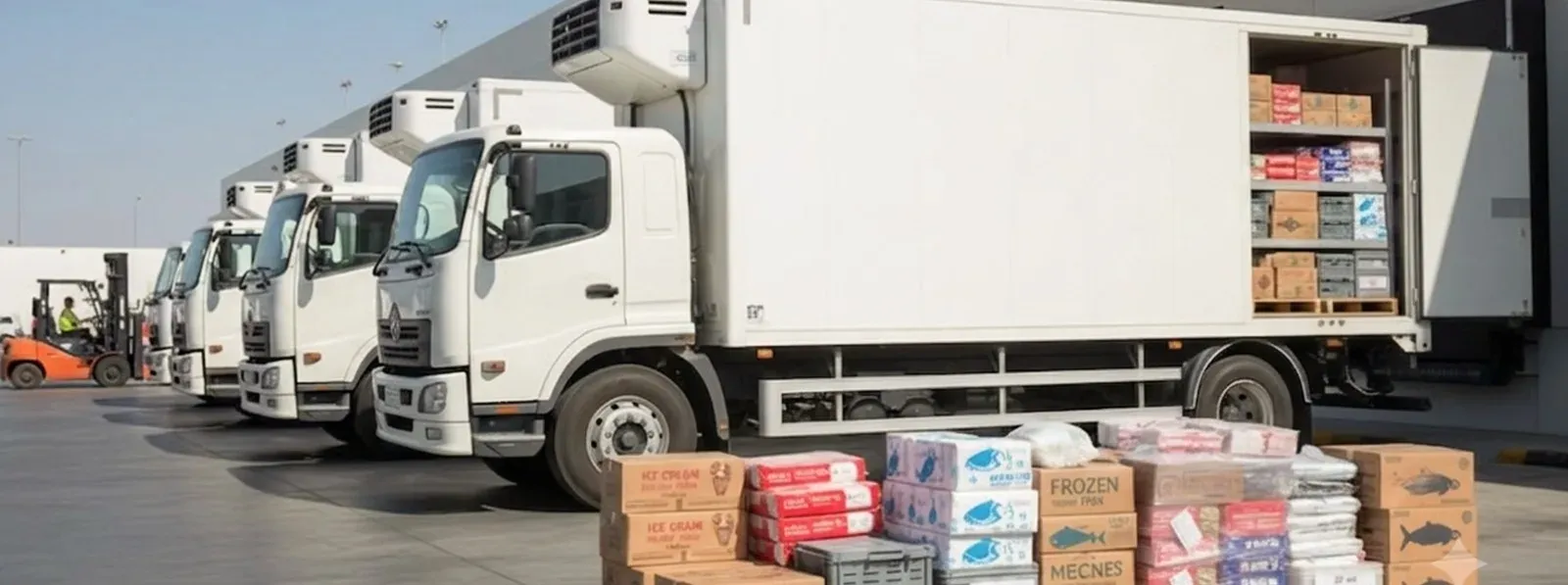
What makes smart routing different from standard GPS mapping? Standard GPS only finds the shortest path between two points. It does not account for multiple stops, cold storage items, or vehicle capacity limits. Modern routing systems analyze all these operational details at once.
As Professor Yossi Sheffi, Director of the MIT Center for Transportation & Logistics, stated: "The last mile is not just the most expensive part of the supply chain, it is also the most fragile when speed is the main promise."
By adopting route optimization for grocery delivery, companies keep their speed promises consistently. This technology reduces fuel waste and keeps drivers safe on busy streets. Effective grocery delivery route optimization turns complex delivery networks into simple, step-by-step tasks for every driver.
How Dark Stores and Local Hubs Maximize Speed
How can dark stores cut down travel times so quickly? They place inventory closer to buyers and use intelligent software to speed up order packing. Combine local fulfillment hubs with hyperlocal grocery delivery route planning, and total delivery times drop significantly.
A study by the MIT Center for Transportation & Logistics shows that dynamic routing algorithms can cut total vehicle mileage by 15-20% in crowded city areas.
By using specialized platforms like Mobility Infotech Logistics, local hubs process hundreds of orders effortlessly. Drivers spend less time waiting at stores and more time completing deliveries. This smart workflow helps brands maintain product freshness and build strong customer trust.
Key Benefits of Automated Route Management
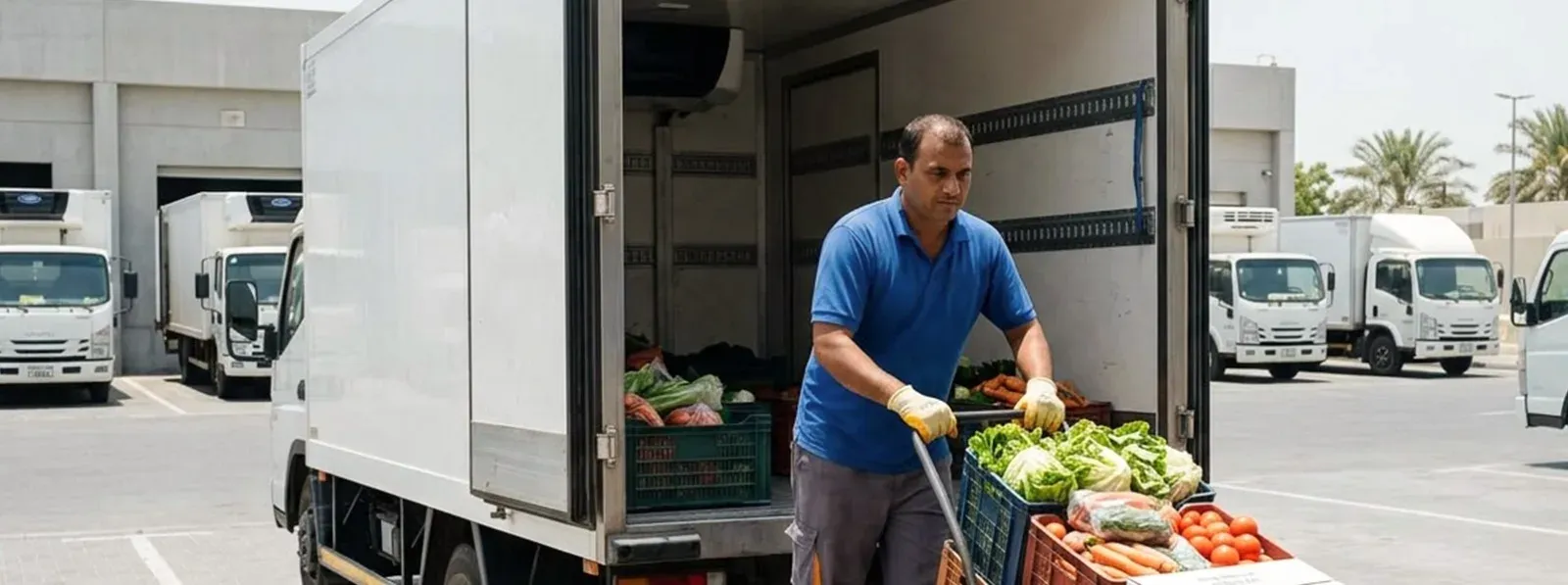
Automated routing offers clear advantages for growing grocery businesses. Key benefits include:
- Riders receive step-by-step directions directly on their mobile phones, allowing them to complete more deliveries per hour while staying completely safe on busy city streets.
- Store managers track every rider on a live dashboard, giving customer support teams real-time visibility to answer buyer inquiries accurately without calling drivers repeatedly during work.
- Applying smart grocery delivery route optimization lowers total fuel costs and reduces vehicle wear, saving thousands of dollars for local grocery brands every single year.
- Customer satisfaction increases when deliveries arrive on time, leading to higher repeat order rates and stronger customer loyalty for local grocery businesses over time.
Scalable Growth for Local Brands
Growing a hyperlocal grocery brand requires strong technical tools. Manual route planning cannot handle hundreds of daily orders without causing delays and customer complaints. Relying on smart platforms like Mobility Infotech Logistics gives brands a clear advantage over competitors. Better routes mean happier customers, faster drop-offs, and lower operating costs every day. Investing in modern logistics technology builds a foundation for long-term business success.
Get in touch with our battle-tested sustainability, technology, and TMS specialists to explore tailored green logistics solutions.

You might also like
 Written by Jane Austen
 Written by Michael S.
 Written by David Williams