
How AI-Based Route Optimization is Powering Predictive Logistics in the USA

Introduction
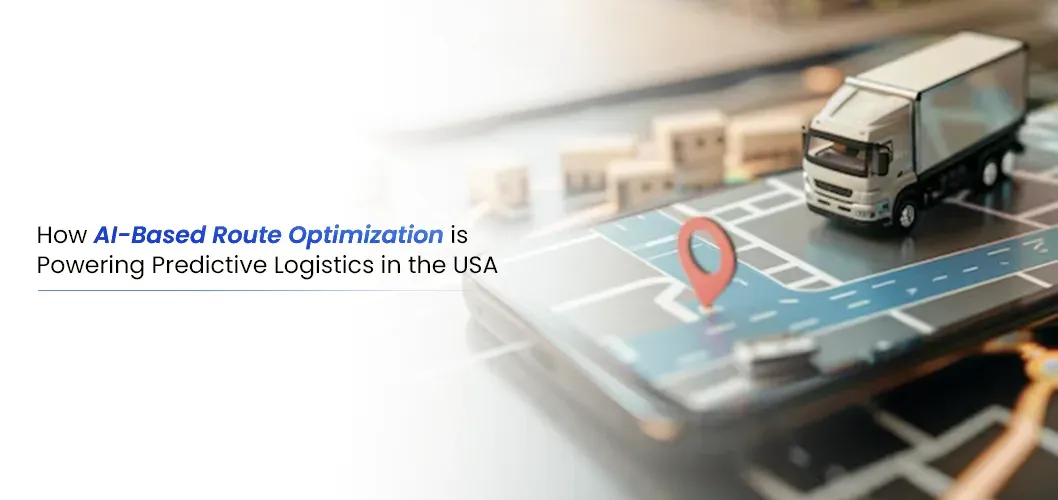
The American landscape is vast. From the sun-bleached asphalt of I-10 in Texas to the congested, gray corridors of the I-95, moving freight is a monumental headache. Logistics isn't just about trucks anymore. It is about data. Specifically, it is about how AI-based route optimization is flipping the script on how we perceive distance and time.
At Mobility Infotech Logistics, we see the struggle every day, Powering our commitment to smarter solutions. Carriers are fighting rising fuel costs and a literal shortage of human hours. You cannot just hire your way out of this mess. You have to think smarter. Did you know that the American Trucking Associations estimates the industry will need to hire roughly 1.2 million new drivers over the next decade to keep pace with demand? That is a massive gap.
The Chaos of the Open Road
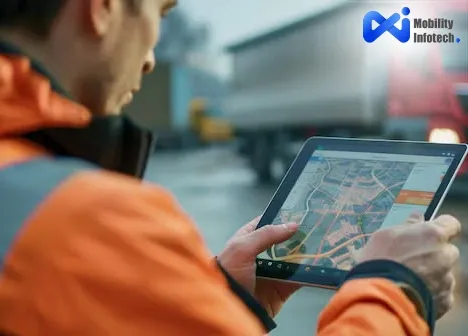
Why is traditional routing failing? Because humans are predictable, but weather and traffic are not. A sudden snowstorm in the Rockies or a multi-car pileup outside Atlanta can derail a week of planning in seconds. Traditional GPS tells you where to go. AI tells you where to go before the problem even happens. It is predictive, not reactive.
Think about the sheer volume of variables. You have fuel prices that fluctuate by the zip code. You have Hours of Service (HOS) regulations that are strictly enforced by the FMCSA. Then you have the customer. They want their package now. Not tomorrow. Now.
When you integrate a logistics automation platform, you aren't just buying software. You are installing a digital brain that breathes real-time data. It looks at DOT sensor data. It monitors port congestion in Long Beach. It calculates the exact carbon footprint of a Class 8 truck idling in Manhattan traffic. It is relentless.
Predicting the Unpredictable
Predictive logistics sounds like sci-fi, right? It isn't. It is math. By leveraging historical patterns and real-time inputs, AI can forecast delivery windows with uncanny accuracy. The U.S. Department of Transportation notes that congestion costs the freight industry an estimated $94.6 billion annually. That is a staggering amount of money leaking out of your bottom line because a driver sat still for forty minutes on a bridge.
AI stops the leak. It finds the "golden path."
Is it perfect? No. Nothing is. But it is miles ahead of a dispatcher with a spreadsheet and a prayer. We are talking about a smart transport logistics system that learns. If a specific warehouse in Chicago always has a two-hour wait on Tuesday mornings, the AI remembers. It reroutes the fleet. It saves the clock.
Why the USA is the Testing Ground
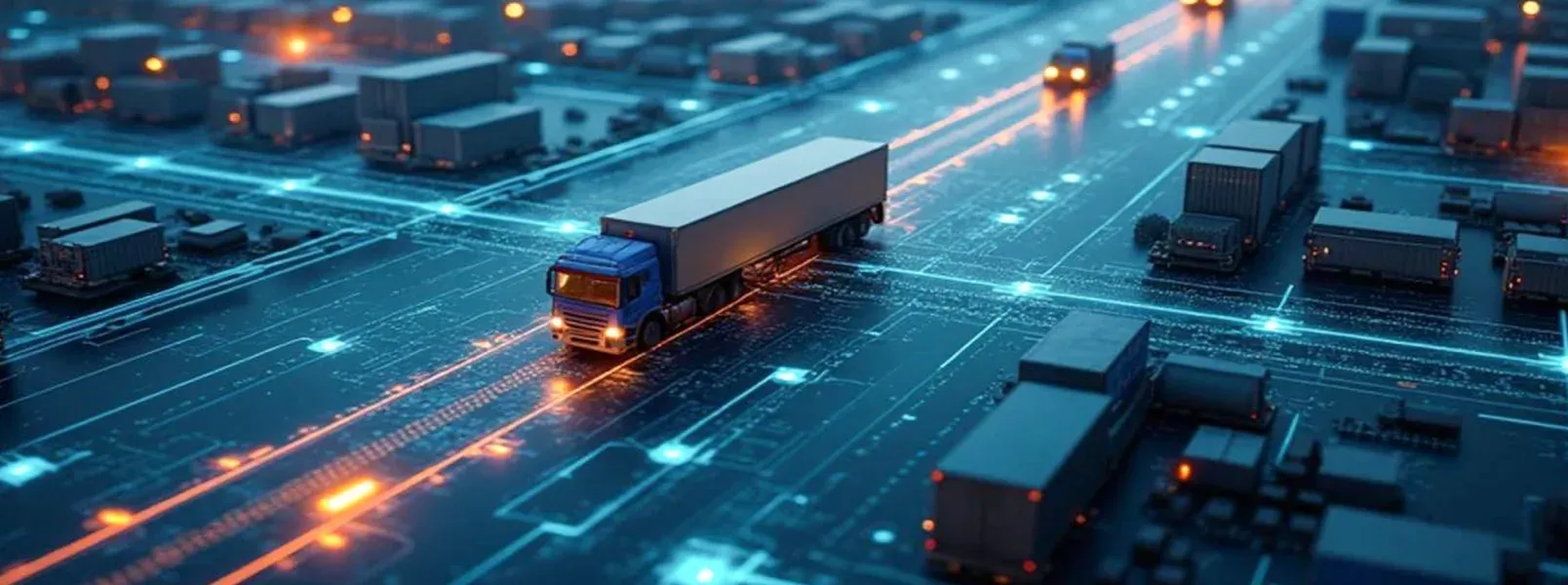
The United States is unique because of its infrastructure. We rely on "Just-in-Time" delivery. Our grocery stores only hold a few days of stock. Our factories depend on parts arriving exactly when the assembly line moves. If the logistics chain breaks, the economy stutters.
We have seen companies reduce their mileage by 15% just by switching to AI-led models. Imagine cutting 15% off your fuel bill. In a country where diesel prices are a constant rollercoaster, that is the difference between a profitable quarter and a total disaster. It is about survival.
People ask us if this replaces drivers. Absolutely not. It empowers them. It removes the stress of the "where," so they can focus on the "how." A driver who isn't fighting a dead-end route is safer. A safer driver stays in the industry longer. According to Bureau of Labor Statistics data, the trucking industry employs nearly 2.2 million heavy and tractor-trailer drivers, and keeping them satisfied is critical for national stability
The Real Talk on Implementation
Let's be real for a second. Transitioning to these systems is scary. You have legacy hardware. You have "the way we've always done it." But the "old way" is getting expensive. You can either pay for the tech now or pay for the inefficiency forever.
Our approach at Mobility Infotech Logistics is simple. We don't believe in "black box" technology. You should see why the AI made a choice. Transparency builds trust. If the system suggests a detour through a rural state highway instead of a major interstate, there is a data-backed reason for it. Maybe there is an unreported construction zone. Maybe the grade of the hill is better for fuel economy.
Small Gains, Massive Impact
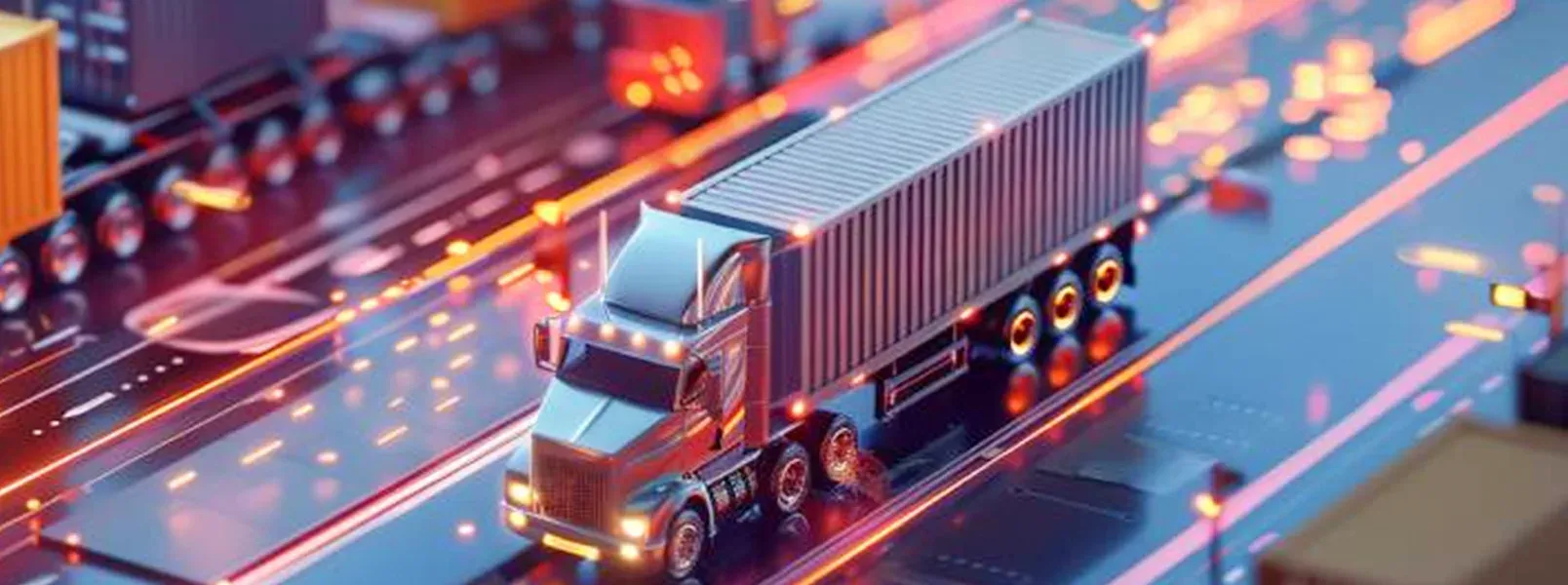
Efficiency is a game of inches. A five-minute saving here. A two-mile shortcut there. Multiply that by a fleet of fifty trucks over a year. The numbers become staggering. We are talking about thousands of gallons of fuel saved. We are talking about thousands of tons of CO2 kept out of the atmosphere.
The American consumer expects magic. They click a button and expect a box. That "magic" is actually a high-speed dance of algorithms and diesel engines. If you aren't using AI-based route optimization, you are dancing with two left feet.
Stop guessing. Start predicting. The road is long, but it doesn't have to be difficult. Mobility Infotech Logistics is building the tools that make the American highway system work for the modern era. It is loud, it is messy, and it is beautiful when it works.
- content
- Introduction
- The Chaos of the Open Road
- Why the USA is the Testing Ground
- The Real Talk on Implementation
- Small Gains, Massive Impact
Get in touch with our battle-tested sustainability, technology, and TMS specialists to explore tailored green logistics solutions.

You might also like
 Written by Jane Austen
 Written by Michael S.
 Written by David Williams