
AI-Powered Transportation Management Solutions That Improve Fleet Visibility

Introduction
Ask any operations manager in America what their fleet is doing right now, and watch how long the answer takes. If it involves calling three drivers, refreshing two portals, and checking a spreadsheet last updated on Friday, that pause is costing real money. Freight does not wait for anyone to catch up, and neither do customers who have been trained by Amazon to expect a live map with their name on it.
The scale of the problem is bigger than most leadership teams realize. A McKinsey analysis found that inefficient interactions at carrier handoffs account for 13 to 19% of total logistics costs, draining up to $95 billion a year from the US economy alone. That is not the cost of trucks or fuel. That is the cost of nobody knowing where things are.
This is exactly the gap that AI-powered top transportation management solutions were built to close. And the market has noticed. According to Fortune Business Insights (2026), the global transportation management system market is projected to grow from $21.30 billion in 2026 to $44.84 billion by 2034, with North America holding a 39.14% share, the largest of any region. American businesses are not adopting TMS platforms because it is fashionable. They are adopting them because visibility has quietly become the difference between profitable freight and expensive guesswork.
What Fleet Visibility Actually Means in 2026
Fleet visibility used to mean a dot on a map. GPS told you where the truck was, and everything else was interpretation. Modern transport management software solutions treat that dot as the starting point, not the finish line.
True visibility answers a chain of questions in real time. Where is every vehicle and every shipment? Is each one on schedule against its promised delivery window? If a delay is building, which customers are affected, and what is the cheapest way to recover? A TMS powered by AI connects live GPS, telematics, carrier feeds, and order data into one operational picture, then layers prediction on top. Mordor Intelligence (January 2026) notes that real-time visibility has become a must-have capability as shippers work to cut detention fees and meet tightening service expectations.
The shift matters because static tracking only tells you about problems after they have happened. Predictive visibility tells you about problems while you can still do something about them.
How AI Changes the Math on Fleet Operations
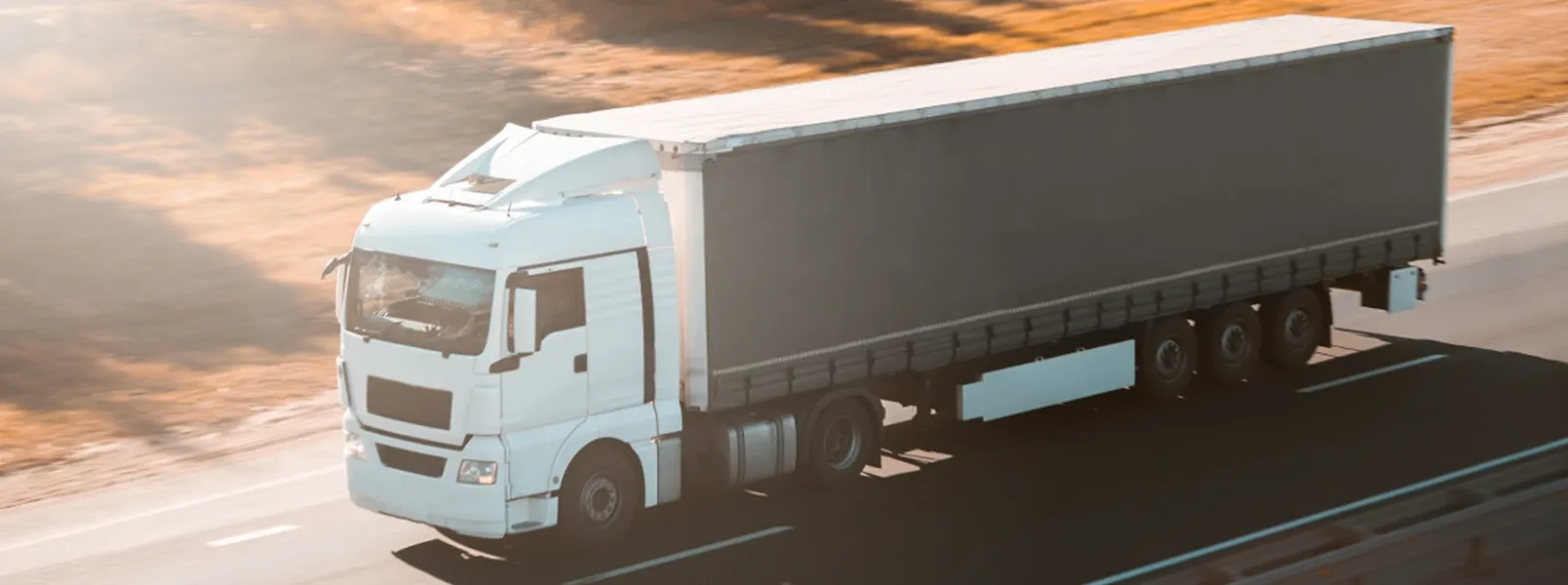
Traditional dispatch runs on experience and instinct. A veteran planner can build decent routes for 15 vehicles. Nobody can manually optimize 200 vehicles against traffic, driver hours, delivery windows, vehicle capacity, and fuel costs at the same time. The math simply outgrows the whiteboard.
This is where the top transportation management solutions separate themselves from basic tracking tools. Mobility Infotech Logistics’s TMS platform, for example, generates optimized routes for thousands of orders across hundreds of drivers using more than 200 constraint parameters, all in a few clicks. The AI engine does not just plan once at 6 AM and hope for the best. It re-optimizes continuously as conditions change on the road, rerouting around congestion, reassigning stops when a vehicle falls behind, and updating customer ETAs automatically.
Technavio (2026) projects the TMS market will grow at a 12.1% CAGR through 2030, and identifies AI and machine learning for predictive logistics as the single biggest driver of that growth. The pattern across the industry is consistent. Businesses that let algorithms handle the routine decisions free their dispatchers to manage exceptions, which is where human judgment actually earns its keep.
The Business Case: What Visibility Is Worth in Dollars
Visibility sounds like a soft benefit until you trace where the money leaks. Detention charges pile up when nobody flags that a driver has been sitting at a dock for three hours. Failed deliveries trigger costly second attempts. Customer service teams burn entire days answering one question: where is my order? Excess safety stock sits in warehouses because planners cannot trust in-transit inventory data.
TMS software for logistics attacks each of these leaks directly. Automated exception alerts surface dock delays the moment they begin. Accurate, AI-predicted ETAs cut failed deliveries and let customers self-serve their tracking questions through live links. In-transit inventory becomes reliable data that planners can actually build against, reducing the working capital trapped in just-in-case stock.
One US customer example makes the point concrete. BlueHarbor Foods, a US-based food distributor running on Mobility Infotech Logistics platform, reported that route optimization alone cut fuel spend and driver hours significantly, while live tracking links became a customer experience win rather than a support burden. Their VP of Logistics called the switch the best ROI decision the company made that year.

What to Look For Before You Buy
The TMS market is crowded, and demo dashboards all look impressive under stage lighting. The evaluation that matters happens in the details.
Start with integration depth. A platform that cannot talk to your ERP is an island, no matter how smart it is. Mobility Infotech Logistics connects with SAP, Oracle, NetSuite, and Microsoft Dynamics through low-code integrations and REST APIs, which means deployment happens in weeks rather than quarters. Then examine coverage across the full journey. Plenty of tools handle last-mile delivery well but go dark during first-mile pickup and mid-mile transit, which is precisely where McKinsey found those handoff losses concentrating. End-to-end orchestration, from warehouse to doorstep, is what turns fragmented tracking into genuine fleet visibility.
Finally, weigh scalability against your growth plans, not your current fleet size. The platform serving you at 30 vehicles should still be serving you at 300. With more than 600 brands already running on its platform, Mobility Infotech Logistics has been stress-tested at the scale most growing businesses are heading toward.
The Road Ahead
Fleet visibility is no longer a competitive advantage. It is the entry fee. The advantage now belongs to businesses that act on visibility faster than their competitors, and that speed comes from AI making thousands of small routing and scheduling decisions before a human would even spot the problem.
For US businesses moving freight in 2026, the question has changed from whether to invest in a top transportation management solutions system to how quickly one can be deployed. Every week of delay is another week of detention fees, empty miles, and customers refreshing a tracking page that never updates.
Ready to see your entire fleet on one screen? Book a free demo with Mobility Infotech Logistics and watch AI-powered visibility work on your own routes, your own fleet, and your own delivery promises.
Get in touch with our battle-tested sustainability, technology, and TMS specialists to explore tailored green logistics solutions.

You might also like
 Written by Jane Austen
 Written by Michael S.
 Written by David Williams